

Every Friday morning here in Japan, I receive an email from James Clear.
It’s his weekly 3-2-1 newsletter, containing three ideas from James, two quotations from others, and one question to reflect on.
I’ve been receiving these emails ever since I read his book Atomic Habits.
It’s a book I would highly recommend to anyone.
I can’t point to one particular lesson from the book and say that it changed my life. Its influence has been more gradual than that.
Ideas about developing good habits, recognizing the cues that help us get started, and paying attention to our everyday routines have stayed with me.
Over time, they’ve become part of how I think about organizing my days and pursuing the things I enjoy.
And that’s probably why I still appreciate receiving James Clear’s newsletter every week.
Some issues resonate with me more than others.
The one I received today, however, felt particularly relatable to my life and the reflections I’ve been sharing on this blog.
One of James Clear’s ideas in this issue was about being useful and joyful.
I immediately recognized something familiar in those two words.
I enjoy being useful.
Not necessarily in the sense of doing something important or making a significant contribution to society.
I simply enjoy doing things that are useful to myself, to the people close to me, and to the environment in which I live.
Since moving to Japan, I’ve spent a considerable amount of time cleaning, organizing, repairing, and maintaining my wife’s ancestral home and the former socks factory next to it.
I’ve also been learning how to care for the garden that her grandfather left behind.
I didn’t begin doing these things because I felt obliged to achieve something.
I genuinely enjoyed the activities themselves.
Cleaning and organizing things gives me satisfaction. So does improving the soil, composting, growing fruit trees, and learning how to prune the shrubs and trees in our garden.
And when the results are useful to others, that’s an additional pleasure.
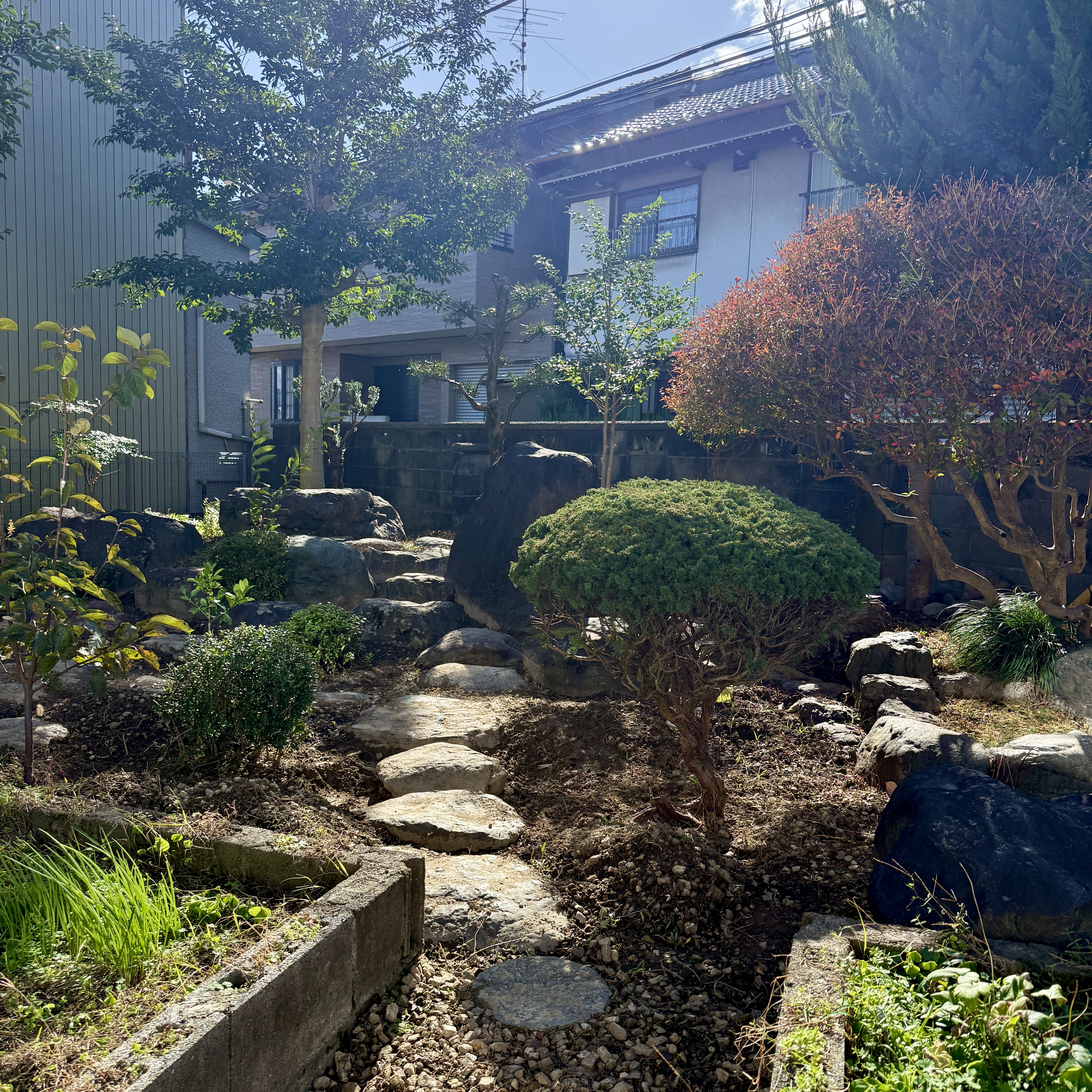
Recently, for example, I’ve been clearing weeds and surplus soil from our old Japanese rock garden.
As more of the original rocks became visible, I began appreciating the garden’s appearance in a way I hadn’t before.
When my wife and mother-in-law saw the results, they were particularly pleased.
That made me happy too.
But I was already enjoying the work long before they saw it.
And perhaps that’s where the idea of being joyful comes in.
I don’t feel that I need a particular achievement or reason to experience joy.
I enjoy the things I choose to do, whether that’s working in the garden, practicing yoga, studying Japanese, or learning to fly my drones with greater precision.
Of course, not every activity is enjoyable all the time.
Some things are tiring, frustrating, or don’t work out as expected.
But I appreciate having the opportunity to pursue activities that interest me and to learn from the experience.
Another idea in this week’s newsletter concerned the importance of reflection.
James Clear suggested that knowledge alone isn’t always enough. We also need time to reflect on what we’ve learned and how it applies to our actual lives.
That resonated with me as well.
Gardening has been a good example.
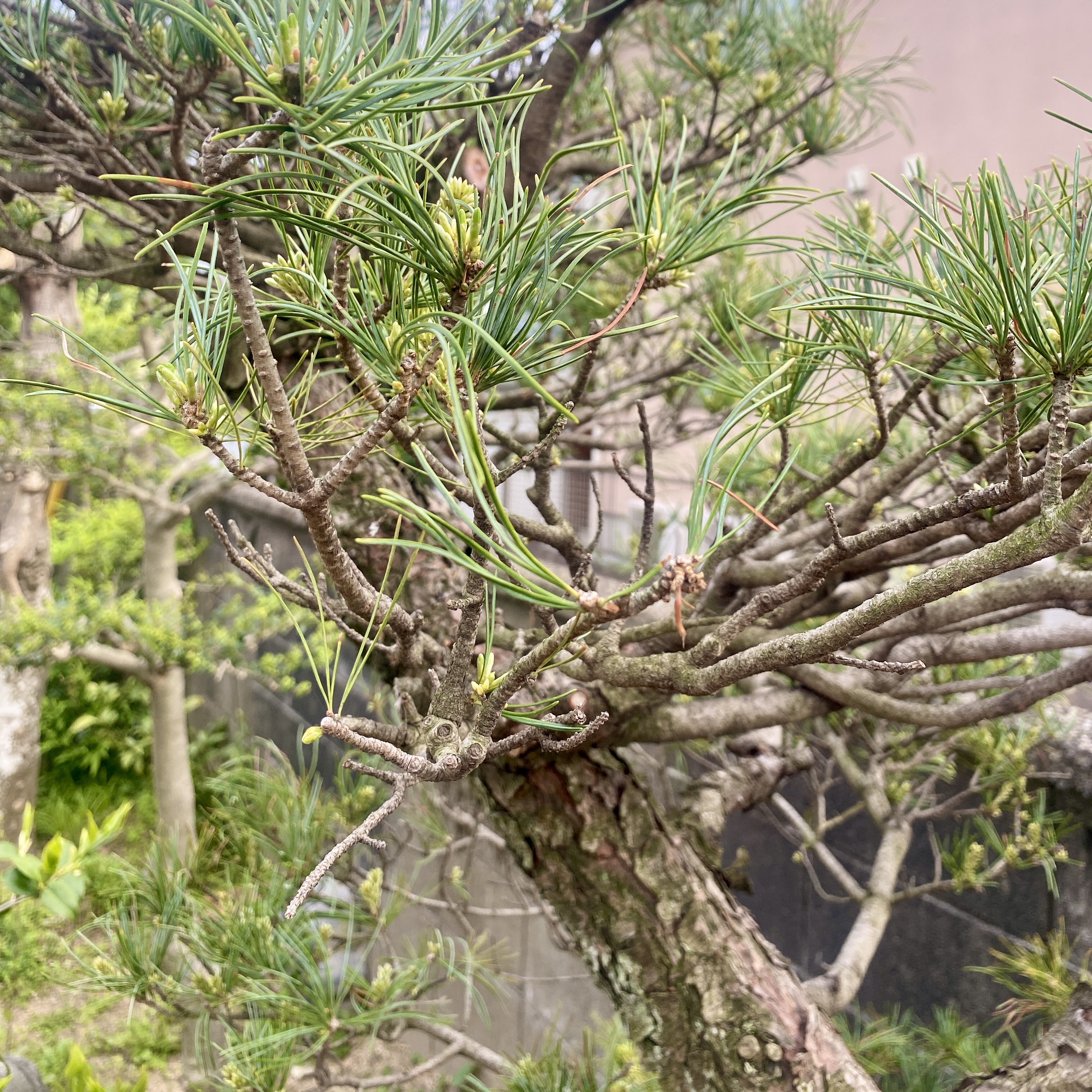
When I first started pruning trees and shrubs, I didn’t really know what I was doing.
I studied different techniques, experimented with them, and observed how the plants responded over the following seasons.
Sometimes the results were encouraging. Other times I had to reconsider what I’d done.
Simply knowing about a pruning technique didn’t mean I understood how it would work on a particular plant in our garden.
I had to try it, observe the results, and gradually develop my own understanding.
I think something similar happens when I write on this blog.
I often begin with an experience or observation that interests me.
As I write about it, I find myself considering what happened, what I’ve learned, and whether my understanding has changed.
Sometimes writing helps me recognize something I hadn’t fully appreciated while I was doing it.
That’s one of the reasons I continue blogging.
I’m not necessarily trying to teach anyone something or arrive at a particular conclusion.
I enjoy recording my experiences and reflecting on them.
And if someone else finds something useful or interesting in what I’ve written, that’s a welcome additional benefit.
The newsletter also included a question that I particularly liked.
It invited readers to consider what they were actually trying to achieve with something they were working on.
That’s a question I increasingly find myself asking.
When I’m working in the garden, am I trying to grow food, improve its appearance, keep the plants healthy, or simply enjoy spending time outdoors?
Often, it’s a combination of these things.
And I don’t necessarily need to choose only one.
What matters to me is understanding why I’m doing something and whether I still enjoy the process.
That’s also why another idea in the newsletter, about enjoying one’s daily lifestyle rather than waiting for goals to be achieved, felt so familiar.
Our garden will probably never be finished.
There will always be something to prune, clear, plant, or improve.
My Japanese language skills and drone flying skills will continue developing as long as I keep practicing.
And I expect I’ll continue discovering things I want to learn.
I’m quite happy with that.
I don’t need to wait until everything is completed to enjoy my days.
Perhaps that’s what I appreciate most about James Clear’s writing.
His ideas don’t always introduce something entirely new to me.
Sometimes they simply help me recognize something I’ve already experienced but haven’t yet put into words.
And that can be just as valuable.
If you haven’t read Atomic Habits, I would highly recommend it.
And if you enjoy short, thought-provoking observations about habits, learning, and everyday life, you might also appreciate his free weekly 3-2-1 newsletter.
I’ve been reading it for years, and I still find something worthwhile in it.
This week’s issue was a particularly good example.
Resources


Leave a Reply