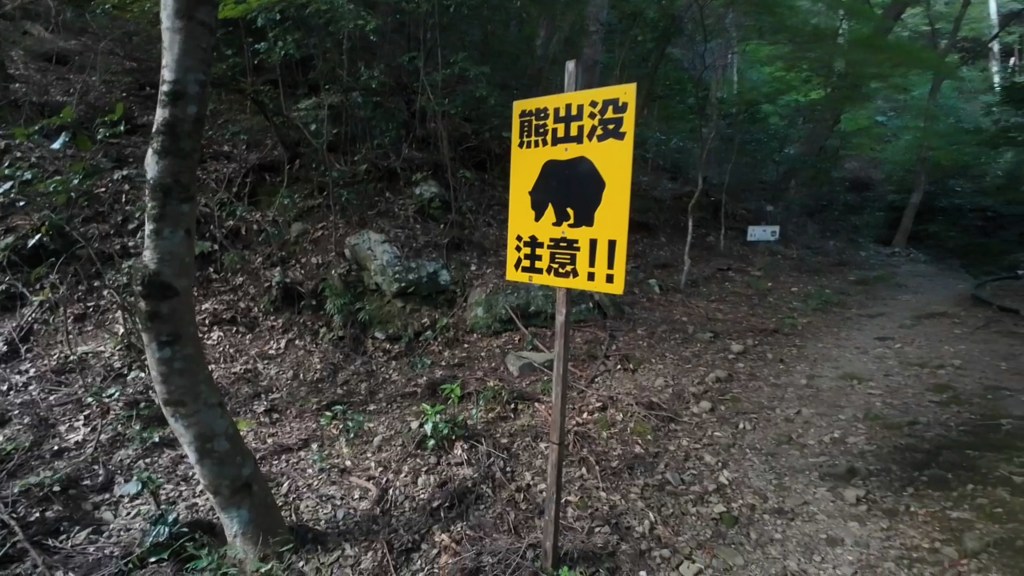
It seems that increasing bear attacks are not only happening in Japan lately.
It appears to be a global phenomenon.
But why?
After watching an NHK broadcast and diving into a few recent articles, I realized there isn’t just one simple answer. It’s a mix of environmental changes, human behavior, and shifting animal patterns — and together they’re rewriting the way humans and bears coexist.
In Japan, the main reason bears are coming so close to people is hunger. Their natural food — nuts, acorns, and berries — has been in short supply. When autumn crops fail, they wander down from the mountains into towns and villages looking for something to eat. One government task force member in Toyama Prefecture said bears were “coming down to lowland areas because of a shortage of foods such as beechnuts.”
In fact, Japan recorded about 219 bear attacks in one year — the highest on record. Many of those bears went into hibernation underfed, and when they woke up, they were desperate. It’s not aggression driving them closer to humans; it’s survival.
Warmer winters and unpredictable weather patterns have also thrown off their hibernation cycles. Some bears delay hibernation because it’s not cold enough yet. Others wake early because they can’t store enough fat. That means they stay active longer, roaming around when people are outside too — and the chances of bumping into one another increase.
Then there’s another layer: there are more bears, but fewer people in Japan’s rural areas. Many mountain villages are almost empty now. The fields and gardens once maintained by farmers have grown wild again, and for bears, that’s perfect cover. What used to be a human buffer zone is now becoming bear territory again.
And sometimes, bears simply learn that where there are humans, there’s food. Garbage, fruit trees, pet food, even compost — all of it smells like a feast to a hungry animal. Once a bear discovers that, it loses its natural fear and starts coming back. That’s when encounters can turn dangerous.
But Japan isn’t alone in this. The same story is unfolding in North America, Russia, and parts of Europe. Grizzlies and black bears wander into campsites. Brown bears appear near villages in the Carpathians. Even in the Himalayas, changing forest use brings bears and people closer together. It’s not an isolated incident — it’s a worldwide trend.
And if you look deeper, the pattern connects to something much larger: climate change and habitat loss. As forests shrink, as seasons shift, as wild food becomes unreliable, animals are pushed to adapt. In doing so, they enter our world — not by choice, but by necessity.
So what can we do?
The simplest steps often make the biggest difference. Secure your garbage and compost. Don’t leave fruit or pet food outside. Make noise when walking in the woods so you don’t surprise a bear. Report sightings before they become incidents. And most importantly, support the protection of their natural habitat.
The rise in bear attacks doesn’t mean nature is turning against us. It’s more like nature sending a message — a reminder that we share the same space. When we listen and act with awareness, coexistence becomes not just possible, but natural again.
Sources
The Guardian – Japan relaxes bear shooting laws amid rise in attacks
ABC News Australia – Japan records highest number of bear attacks
ExplorersWeb – Japan bear attacks increase in 2023
The Straits Times – Japan puts bounty on bears as attacks surge
World Animal Foundation – Bear Attacks Statistics and Global Trends






 Experiences - Life - Inspiration 🇨🇭🇯🇵
Leave a reply to lognhemr Cancel reply