
When I first moved to Japan, I had never heard of Michi-no-Eki (道の駅). Despite being a frequent traveler and road trip enthusiast back in Europe, I always thought of rest stops as nothing more than gas stations with vending machines or fast food. It wasn’t until I started exploring Gifu Prefecture by car that I discovered how unique and valuable these roadside stations really are.
What Are Michi-no-Eki?
Michi-no-Eki, literally translated as “Road Stations”, are more than just places to stretch your legs or grab a quick snack. They are multi-functional roadside hubs offering free parking, clean 24-hour restrooms, local product markets, and often cultural exhibitions or tourist information centers. Each station reflects the unique character, history, and flavors of the region it represents.
How Did Michi-no-Eki Start?
The Michi-no-Eki program was launched by Japan’s government in 1993 with the goal of:
- Improving road safety by providing proper rest facilities.
- Supporting regional communities by showcasing local products and traditions.
- Serving as emergency bases during natural disasters.
Starting with just 103 locations, the system quickly gained popularity across the country. Today, there are over 1,200 Michi-no-Eki spanning all 47 prefectures, from Hokkaido in the north to Okinawa in the south.
My Experience in Gifu Prefecture
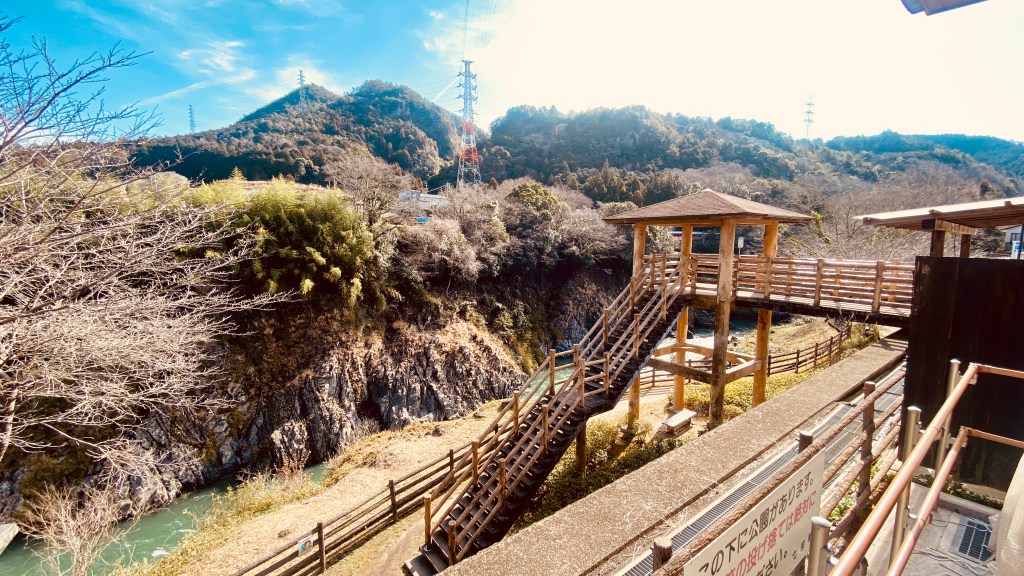
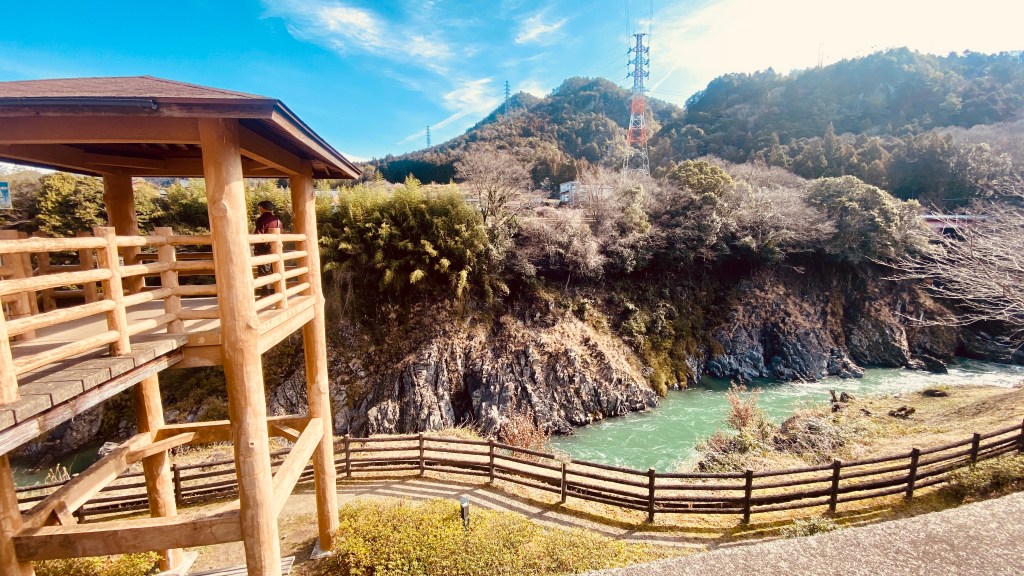
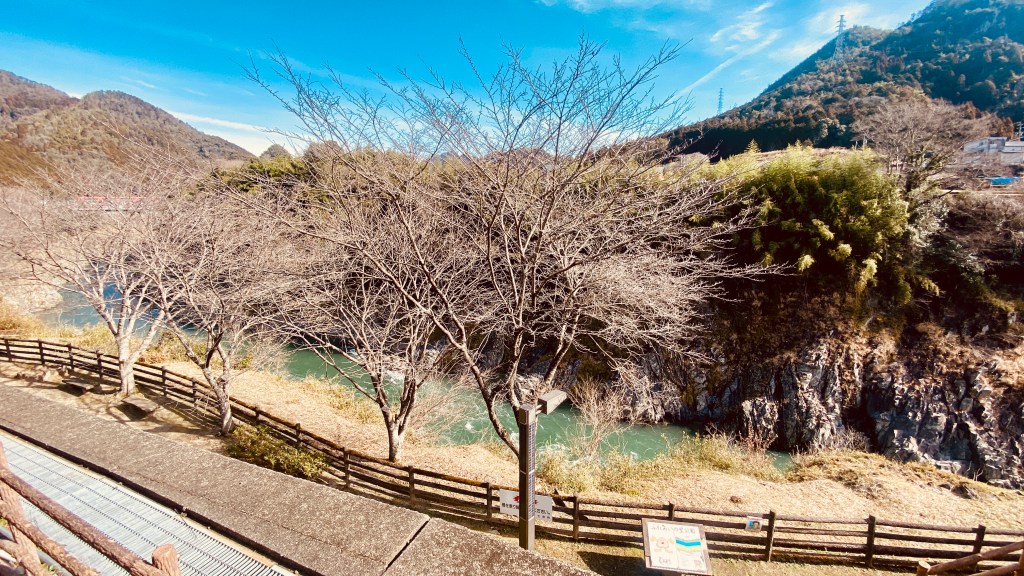
Since relocating to Japan, I’ve come to appreciate these roadside stations more and more, especially while driving through Gifu Prefecture’s scenic routes like National Route 156. Whether it’s enjoying freshly grilled ayu sweetfish, picking up local miso and rice products, or learning about Gifu’s traditional paper-making at Michi-no-Eki Mino, these stops have become part of the adventure itself.
Each Michi-no-Eki I visit surprises me with regional flavors, handmade crafts, and seasonal specialties I would have never discovered otherwise.
Why You Should Stop at Michi-no-Eki
If you’re an international visitor planning to explore Japan by car, I highly recommend making Michi-no-Eki part of your journey. They offer a unique opportunity to:
- Experience authentic local culture.
- Taste regional specialties.
- Find local souvenirs that are often unavailable in major cities.
- Learn about the history and nature of the area you’re passing through.
And best of all—they’re free to enter, open year-round, and welcoming to all travelers.
How to Find Michi-no-Eki Across Japan
If you’d like to locate Michi-no-Eki on your travel route, check out the official Michi-no-Eki Portal Website, which features a nationwide interactive map of all registered stations:
For a list of roadside stations specifically in Gifu Prefecture, visit the regional map here:
👉 https://www.cbr.mlit.go.jp/michinoeki/gifu/index.html
So next time you hit the road in Japan, keep an eye out for the Michi-no-Eki sign (道の駅). You might just find that the road itself becomes as memorable as the destination.





 Experiences - Life - Inspiration 🇨🇭🇯🇵
Leave a comment