
Today, Hiromi and I embarked on a culinary adventure by preparing both Japanese and Swiss cheese fondue for dinner. It was more of a spontaneous decision driven by curiosity than anything else—after all, we didn’t even have a traditional fondue set! However, with a bit of creativity and resourcefulness, we made it work.
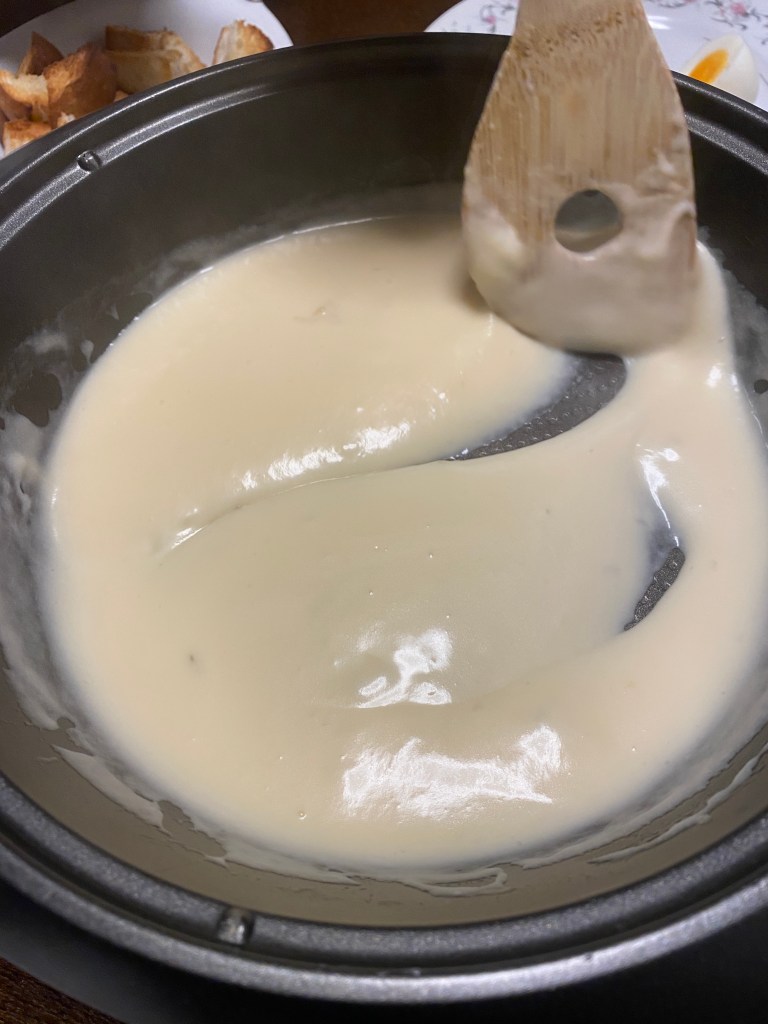
Instead of a classic fondue pot, we used a nabe pan on an electric stove, along with wooden forks for dipping grilled baguette and blanched vegetables into our creamy cheese concoction. To elevate our fondue, we added white wine and potato starch, crafting a light roux that seamlessly bound the melted cheese into a silky, bubbly delight.

We began our fondue journey with 200 grams of Swiss fondue cheese from Strähl, sourced from our nearest Costco store. To contrast this, we also prepared a Japanese cheese fondue made from Hokkaido cheese by the brand Yukizirushi.
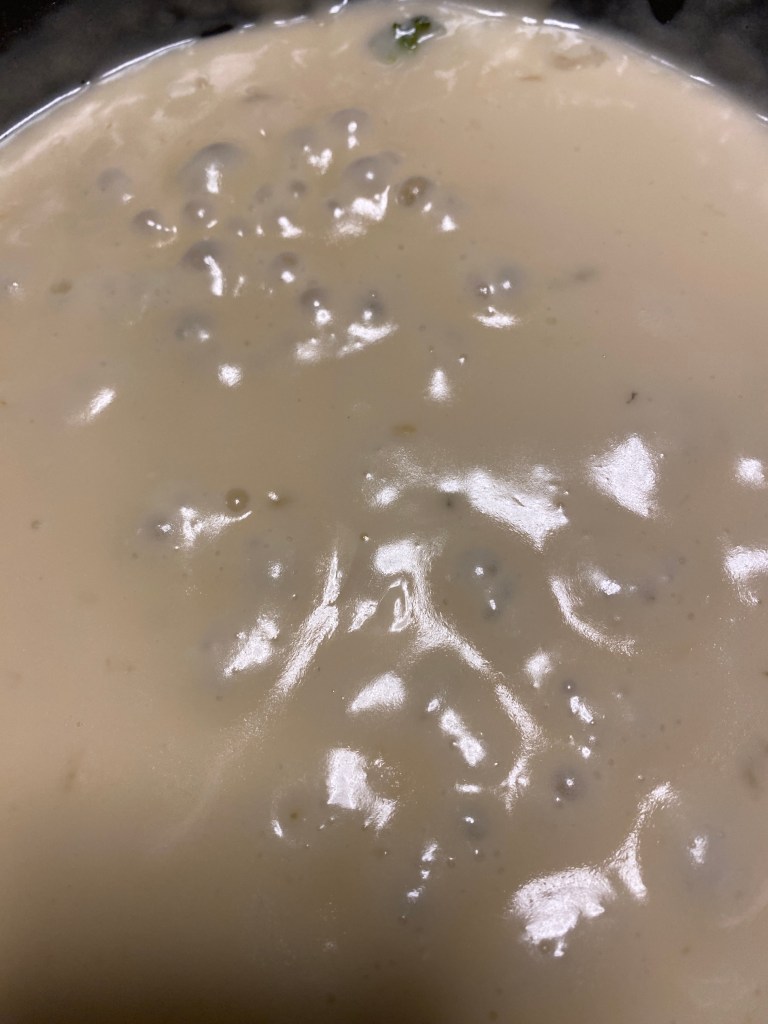
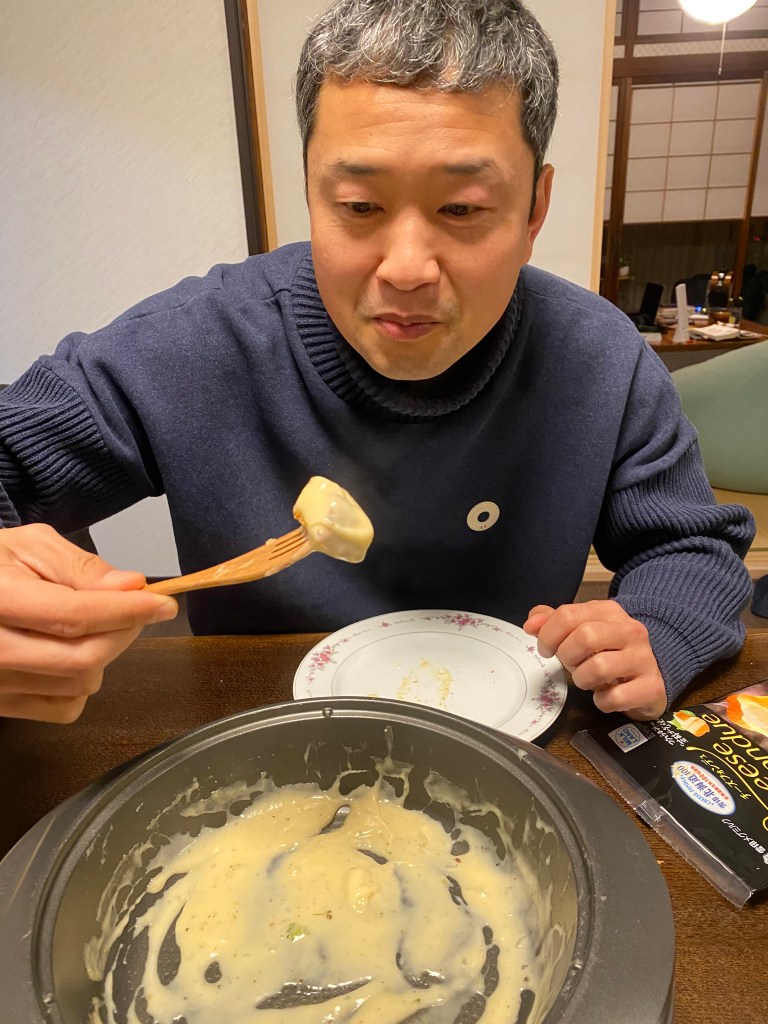
Despite not having a Swiss fondue set in Japan, our non-stick nabe pan and electric stove worked like a charm. It turned out to be a delightful experience to taste and compare both fondues—both of which I was trying for the very first time.
Back in the Netherlands and Switzerland, I often purchased fondue from brands like Emmi, Gerber, and now the newly discovered Strähl here in Japan. Today was a double treat for me, as I got to explore these flavors.
Taste Test: Strähl vs. Yukizurushi
So, how did they stack up? The Strähl cheese fondue presented a classic Swiss cheese flavor, although their product description didn’t specify which cheeses it contained. I found out that it’s a blend of 53% Swiss cheese and other natural cheeses, enhanced with Kirsch—a clear cherry brandy traditionally used in Swiss fondue. Kirsch is distilled from fermented morello cherries, and while it adds depth to the dish, I recommend it solely for cooking and not for sipping.
On the other hand, the Yukizurushi fondue was milder than I expected. Instead of a robust Dutch Gouda or Emmental flavor, the Hokkaido cheese delivered a sweet, mellow profile that was pleasantly distinct from its Swiss counterpart.
Crafting the Perfect Swiss Cheese Fondue
For anyone curious about making traditional Swiss cheese fondue, here’s a foundational recipe I typically follow:
- One-third grated Emmental cheese
- One-third grated Appenzeller cheese
- One-third grated Gruyère cheese
- Corn starch (e.g., Maizena)
- A cheap dry white wine (save the good stuff for drinking!)
- Nutmeg and black pepper for seasoning
- One garlic clove to rub inside the fondue pot
Start by rubbing the pot with the garlic clove, then add a glass of white wine and bring it to a gentle boil. Gradually incorporate the grated cheese while stirring in an 8-shaped motion on medium-high heat. Once melted and bubbling, add a shot of Kirsch mixed with corn starch. Stir until you achieve a creamy, silky fondue—not too watery, and stringy when enjoyed with stale bread.
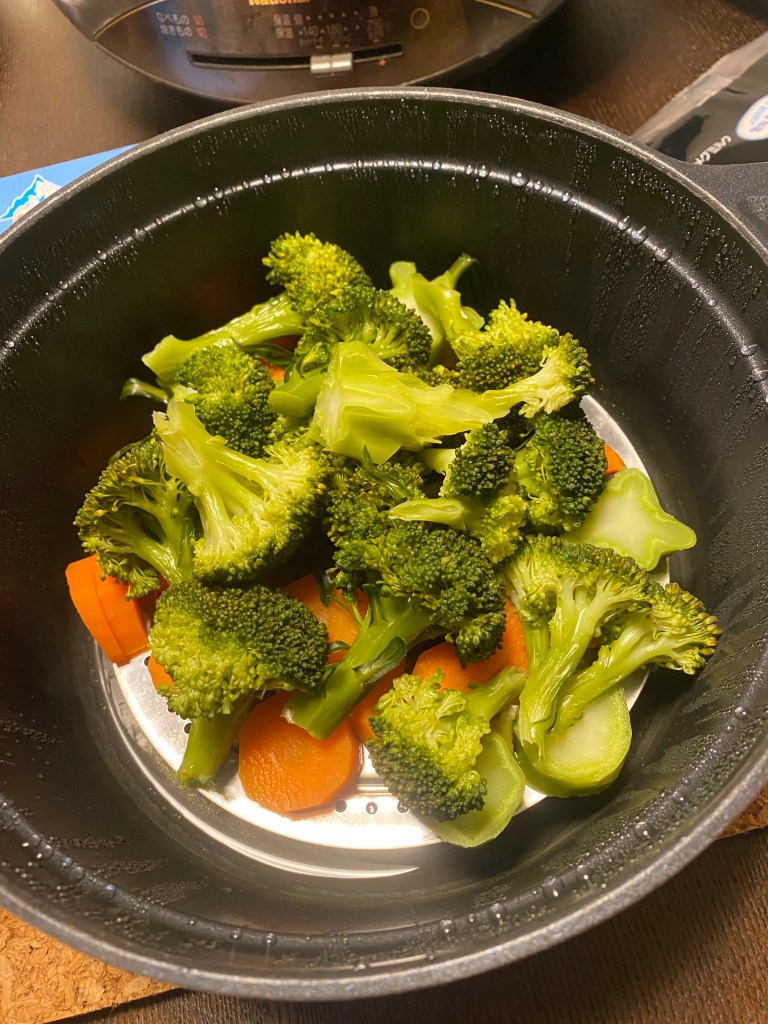
Interestingly, I recently discovered that blanched vegetables like carrots and broccoli can complement cheese fondue, providing a refreshing twist on the traditional bread-and-cheese pairing. While stale bread is typically used due to its firmer texture and ability to absorb flavors, it’s worth experimenting with other dippers.
The Yukizurushi package suggested enjoying the fondue with small sausages, shrimp, or pieces of chicken. While this seemed a bit excessive calorie-wise, it could make for a fun twist after a day of skiing, perhaps in a Japanese resort like Niseko.
Cheese Fondue Tips and Tricks
From my skiing trips to Haute-Savoie, I learned a nifty trick: if the cheese runs low and everyone is still hungry, mix a raw egg into the remaining cheese fondue. Cover the pot and let it cook for a bit before serving. Many fondue lovers also look forward to the crispy cheese crust that forms at the bottom of the pot—some consider it the tastiest part!
In conclusion, both the Japanese and Swiss fondues come highly recommended, each offering unique flavors to savor. It’s a delightful culinary experience, and I encourage everyone to explore these variations for themselves!
#CheeseFondue #JapaneseCuisine #SwissCuisine #CulinaryAdventure #Foodie #FondueFun #GourmetExperience #CookingAtHome #FoodComparison #TastyTraditions





 Experiences - Life - Inspiration 🇨🇭🇯🇵
Leave a reply to Rolf Cancel reply