

We are creatures of habits. The important question here is, do we have the right kind of habits that take us to the places and dimensions in life where we want to be?
Take a simple example such as having the New Year’s resolution of losing weight. Losing 20kg requires decreasing our daily caloric intake, working out regularly, developing the discipline to visit the gym, and resisting the urge to indulge in unhealthy snacks. The key to achieving these goals isn’t sheer resolution, perseverance, or discipline but rather the establishment of productive habit triggers in our environment.
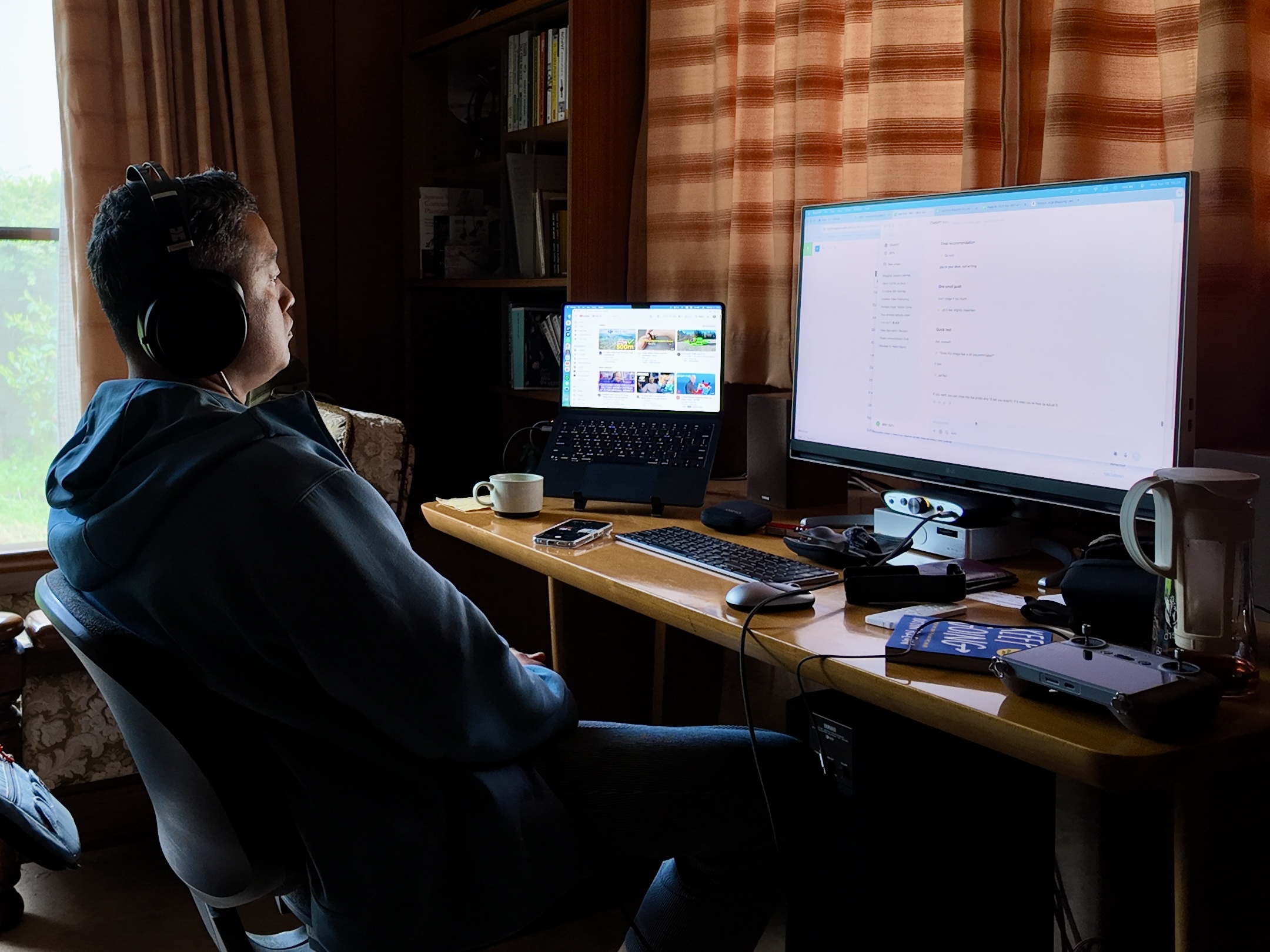
Habits are the actions we perform on autopilot, led by triggers in our surroundings. For instance, I consciously arrange my work and living spaces to prompt me towards productive activities. Placing my camera and video editing gear within sight triggers my creativity for filming and editing. Similarly, positioning my gardening tools near the garden door prompts me to engage in outdoor work, while leaving my books within reach encourages regular reading. These intentional habit triggers kick-start my productivity.
Conversely, there are detrimental habit triggers that contribute to overeating and weight gain. A visible chocolate bar or a bag of chips in the living room or kitchen can develop into unhealthy habits. It’s crucial to eliminate these negative triggers and create positive ones in their place. For me personally, it’s still a challenge not to buy chocolate or snacks in the supermarket, yet my wife has taught me to store these snacks and chocolates in the drawer where I don’t immediately see them when I go to the kitchen. She also keeps me from buying ice cream too often. And if we buy cakes, then she makes sure the cake is cut into portioned pieces, wrapped, and stored in the freezer, so that I can never immediately eat them. Basically, she makes it more difficult and time-consuming for me to eat the bad foods. Bananas and other fruits, on the other hand, she always puts on display either on the kitchen table or in the fridge. It triggers me to choose the healthier options.
In Japan, I benefit from several positive habit triggers. Walking daily with our furry friend, Chappie, ensures consistent exercise, while weekly hikes suggested by my mother-in-law keep me connected to nature and maintain my physical fitness. This is not to say that you should remove all people that influence and trigger you badly from your environment. I am talking about changing things in your environment and not people. Although it can be argued that toxic people that cannot be remedied by you, should be avoided at worst.
Anyway, how about you? Have you had a closer look at your habit triggers in your surroundings and how they affect you? As mentioned earlier, there are many ways to pinpoint those habit triggers and change them in your favor. I encourage you to do this regularly, and I guarantee you they will make a difference in your life.
To achieve personal growth and success, it’s essential to evaluate and adjust our home and work environments to facilitate the development of positive habits and eliminate negative ones.
Several months ago, I came across the transformative book “Atomic Habits,” and its profound wisdom deeply resonated with me. This enlightening read inspired me to reflect on the immense impact habits can have on our lives, both for better and for worse. If you haven’t delved into the pages of this enlightening book yet, I wholeheartedly urge you to experience its invaluable insights.
Here are 10 influential quotes from the book Atomic Habits by James Clear to conclude and inspire.
“Your habits shape your identity, and your identity shapes your habits.”
“You do not rise to the level of your goals. You fall to the level of your systems.”
“Habits are the compound interest of self-improvement.”
“Small habits make a big difference. They may seem insignificant in the short term, but they build up over time to produce remarkable results.”
“The quality of our lives often depends on the quality of our habits.”
“Every action you take is a vote for the type of person you wish to become.”
“Success is the product of daily habits—not once-in-a-lifetime transformations.”
“You should be far more concerned with your current trajectory than with your current results.”
“The most effective way to change your habits is to focus not on what you want to achieve, but on who you wish to become.”
“The key to building lasting habits is focusing on creating a new identity first.”
#HabitsMatter #Productivity #HealthyLiving #PositiveTriggers #PersonalGrowth





Leave a Reply to The Mindful Migraine BlogCancel reply