Recently, a dispute between two well-known YouTubers — Abroad in Japan and Oriental Pearl — stirred up discussion across social media. Both creators have long been voices in the “life in Japan” niche, but this time the conversation turned inward: how should foreigners portray Japan to the world?
Chris Broad from Abroad in Japan criticised Oriental Pearl for spreading misleading impressions of Japan — framing videos in ways that exaggerate cultural differences and sensationalise ordinary reactions. Oriental Pearl responded publicly, claiming she was unfairly attacked.
I follow both of them, and I must admit — from my own observation — that Oriental Pearl’s content often relies on the surprise of Japanese people as the main attraction. She frequently approaches locals, speaking fluent Japanese, and films their astonished reactions. The tone seems less about connection and more about shock value — as if the Japanese are too naïve to imagine that a foreigner could speak their language.
At first glance, it might look like harmless fun or cultural curiosity. But when such moments become the recurring formula, they shape how millions of viewers perceive Japan: a nation of “shocked” and “ignorant” people rather than simply kind, reserved, and surprised by politeness.
That’s where I think Chris Broad had a point. His criticism wasn’t about language or personality — it was about responsibility. As creators, we decide what kind of mirror we hold up to the world. Do we use it to reflect mutual understanding, or do we bend it just enough to make people stare?
YouTube rewards extremes. Outrage, shock, disbelief — they grab attention. But at what cost? The more a video depends on embarrassment or “look how weird Japan is” framing, the more it moves away from genuine cultural exchange. It becomes performance, not perspective.
Living in Japan, I see how quickly a small misunderstanding can grow into a stereotype online. I believe creators — especially those who bridge cultures — carry a quiet responsibility. We can choose to film with people, not at them. To invite curiosity, not mockery.
At the end of the day, this controversy isn’t just about two YouTubers. It’s about all of us who share pieces of Japan with the world. We can either chase reactions, or create understanding.
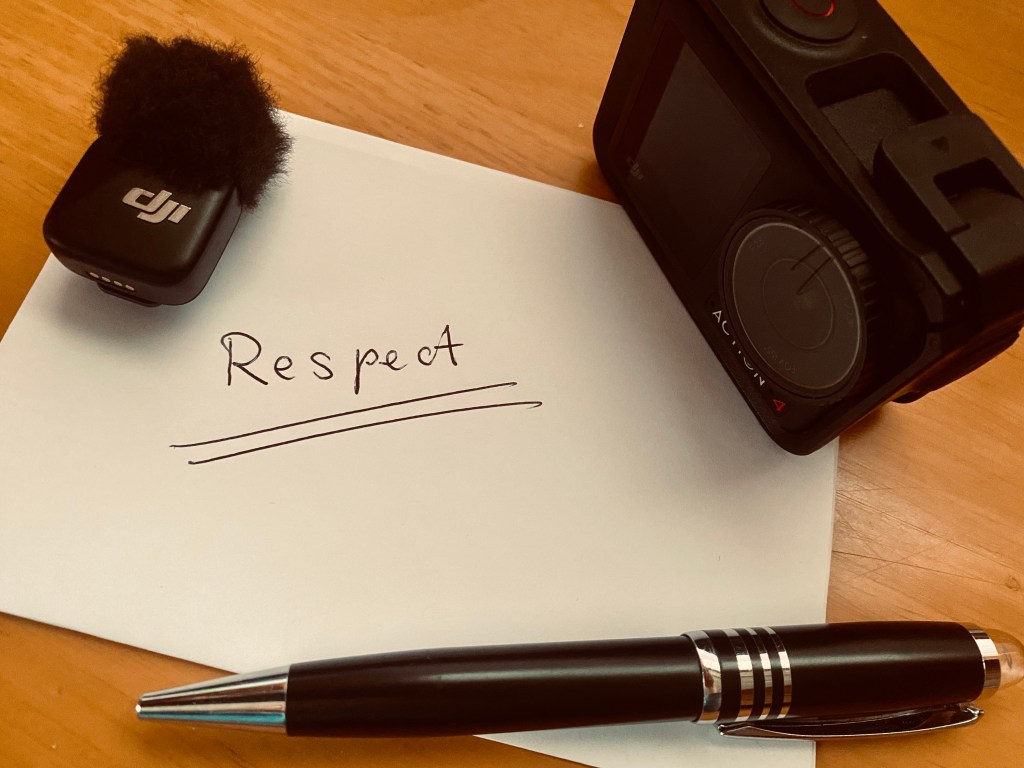
And maybe, the difference between the two — is respect.




 Experiences - Life - Inspiration 🇨🇭🇯🇵
Leave a comment