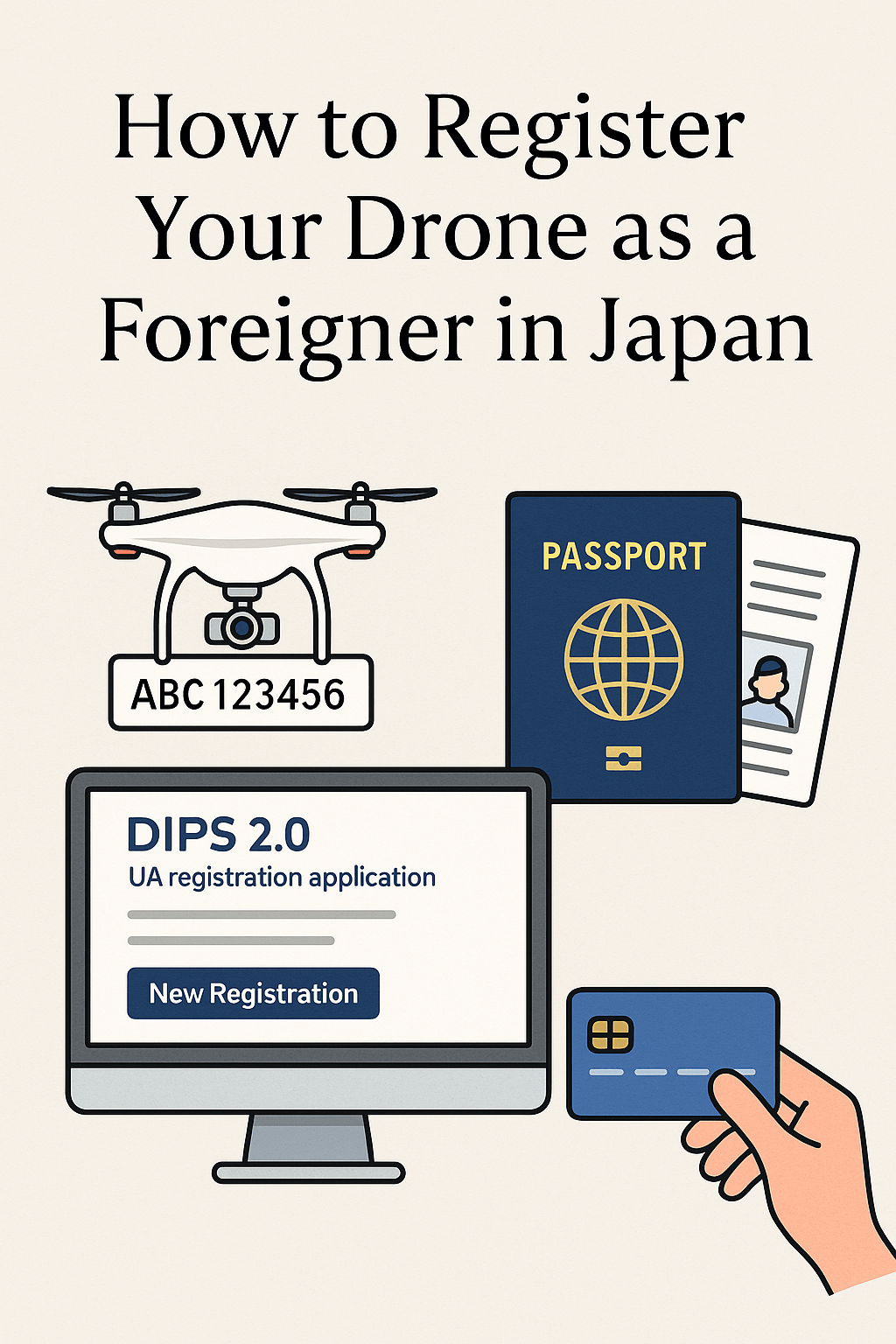
A few days ago, I received a comment on one of my recent drone vlogs on YouTube. The viewer told me they were inspired by my videos and are now dreaming of flying their drone in Japan too. They asked if I could make an explanatory video about the process. I told them flying in Japan is a fantastic experience—so many beautiful landscapes, historical landmarks, and hidden nature spots. But I also emphasized one important thing: you need to register your drone first.
Before I dive into making that video, I thought I’d write this blog post to help others who might have the same question. So if you’re a foreign visitor and want to legally fly your drone in Japan, here’s everything you need to know.
Do I Need to Register My Drone in Japan?
Yes. As of June 20, 2022, all drones or unmanned aircraft (UA) weighing 100 grams or more must be registered with Japan’s Ministry of Land, Infrastructure, Transport and Tourism (MLIT)—even if you’re just visiting.
This includes recreational flyers and hobbyists.
Step-by-Step: How to Register Your Drone in Japan
1. Create an Account on DIPS 2.0
Japan uses an online system called DIPS 2.0 for drone registration.
- Fill in your basic details like your name and email.
- There’s a “Reading” field that usually asks for your name in Katakana. As a foreigner, you can leave this blank if you’re not familiar with the Japanese writing system.
2. Start the Registration Application
- Once logged in, choose “New Registration.”
- You’ll enter your drone’s make, model, and serial number.
Required Documents:
- A copy of your passport.
- An additional official document with your name, address, and date of birth (issued by a public institution). This is important since you won’t have a Japanese residence card.
3. Pay the Registration Fee
The cost depends on how you apply:
| Method | Fee (approx) |
|---|---|
| Online (fastest) | ¥900–¥1,450 |
| Paper-based | ¥2,400 |
Payment can be made via credit card, ATM, or internet banking.
4. Display Your Registration ID
Once your application is approved and the payment is complete, you’ll receive a registration ID.
You must visibly display this ID on your drone:
- 3mm or larger characters for drones under 25 kg.
- 25mm or larger for drones over 25 kg.
Do I Need Remote ID?
Yes. Japan requires that drones are equipped with Remote ID—this means your drone must be able to broadcast its identification info while flying. Some newer drones have this built-in, but if not, you’ll need to attach an external Remote ID module.
Important Flight Rules to Know
Even after registering, you need to follow Japan’s strict drone rules:
- No flying above 150 meters (without special permission).
- No flying over densely populated areas or near airports.
- Keep your drone in sight at all times.
- Avoid night flights unless authorized.
- Don’t fly over crowds or private property without permission.
For a full overview, the MLIT handbook is available in English and super helpful: MLIT UA Handbook PDF
Final Thoughts
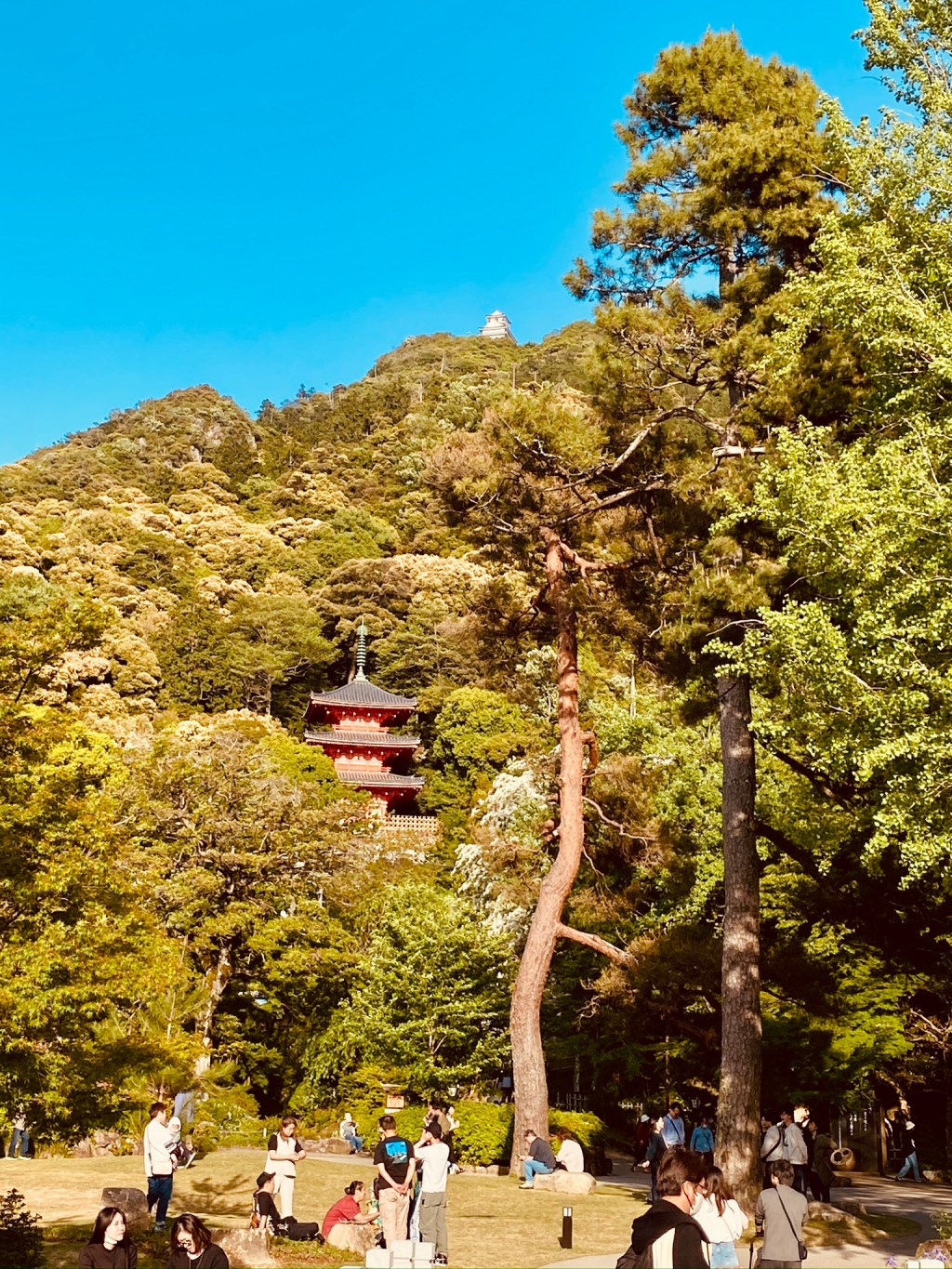
Flying drones in Japan has been an incredible part of my journey—whether it’s capturing secluded valleys, forest trails, or the many rivers in Gifu Prefectures. I’m happy my videos are inspiring others to try it too. But the experience is only amazing if done safely and legally.
If you’re a foreigner planning to visit Japan and want to bring your drone, start the registration early. It may take a few days to process everything. Once it’s done, you’re free to enjoy Japan from the sky.



 Experiences - Life - Inspiration 🇨🇭🇯🇵
Leave a comment