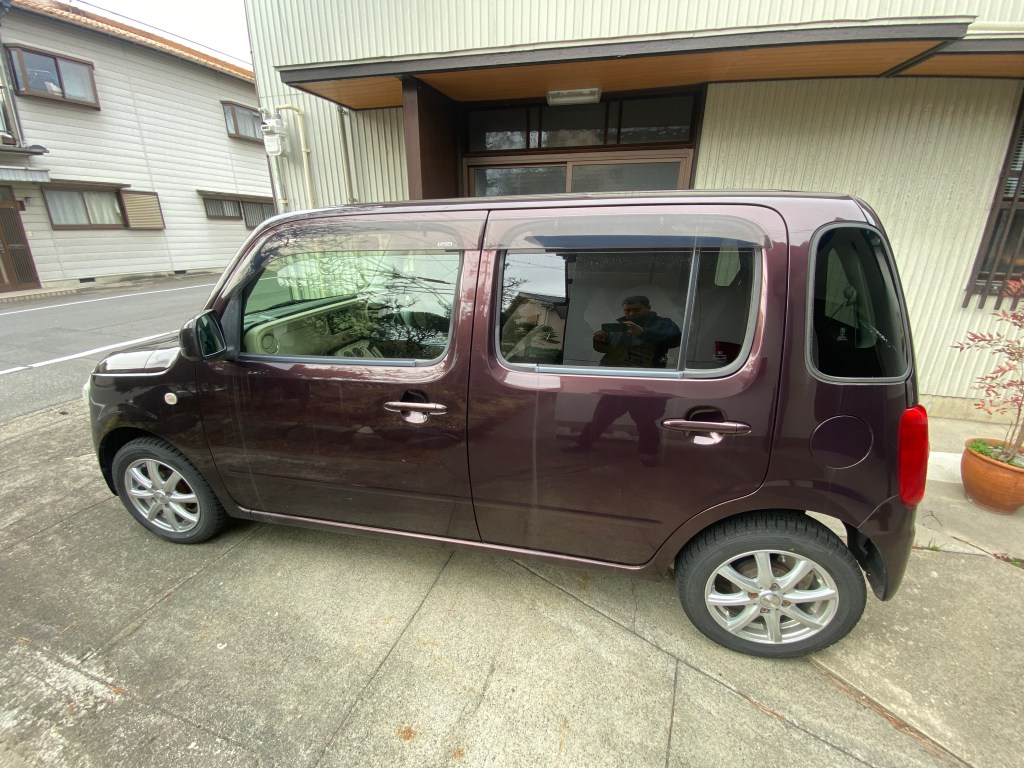
If you have been to Japan before or at least watched some video or Japanese movie, you will probably have noticed that small teenie weenie cars are common in Japan. The Japanese call them kei.
Japanese kei cars (軽自動車, keijidōsha) are small, lightweight vehicles designed to comply with Japan’s kei car regulations, which offer tax and insurance benefits to owners. They are popular in both urban and rural areas due to their affordability, fuel efficiency, and compact size.
Key Features of Kei Cars:
- Size Limits: Maximum length of 3.4 meters, width of 1.48 meters, and height restrictions (varies by model).
- Engine Size: Up to 660cc, with a maximum power output of 64 horsepower.
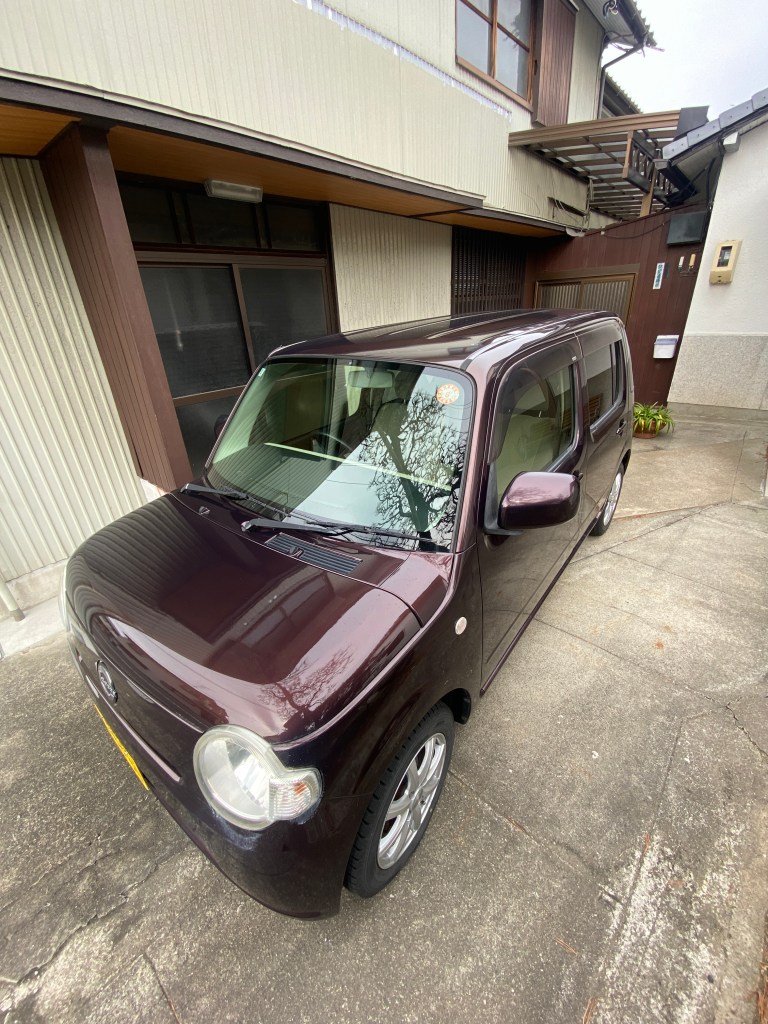
- Yellow License Plates: Identifies them as kei cars and grants certain perks like lower toll fees in some cases.
- Tax Benefits: Lower purchase tax, annual road tax, and insurance costs compared to regular cars.
Why Kei Cars Are Popular in Japan
- City-Friendly: Their small size makes them easy to maneuver and park in Japan’s narrow streets.
- Affordable Ownership: Low cost of insurance, taxes, and fuel efficiency make them cost-effective.
- Versatile Models: Available in hatchbacks, vans, trucks, and even sporty models (kei sports cars).
- Rural Use: Kei trucks (kei-tora) are widely used for agriculture and light transport in the countryside.
- Eco-Friendly Options: Many kei cars now come with hybrid or electric options.
Examples of Popular Kei Cars
- Suzuki Alto / Hustler
- Honda N-Box (One of Japan’s best-selling cars)
- Daihatsu Tanto / Hijet (kei truck)
- Suzuki Jimny (4WD off-road kei)
- Honda Beat / Suzuki Cappuccino (kei sports cars)
Limitations
- Limited Power: Not suitable for long highway drives or heavy loads.
- Safety Concerns: Smaller body means less crash protection compared to larger vehicles.
- Not Ideal for Export: While kei cars are beloved in Japan, strict regulations make them less common overseas.
Kei cars represent Japan’s unique approach to practical and affordable transportation, fitting well into the country’s tight spaces and cost-conscious market.
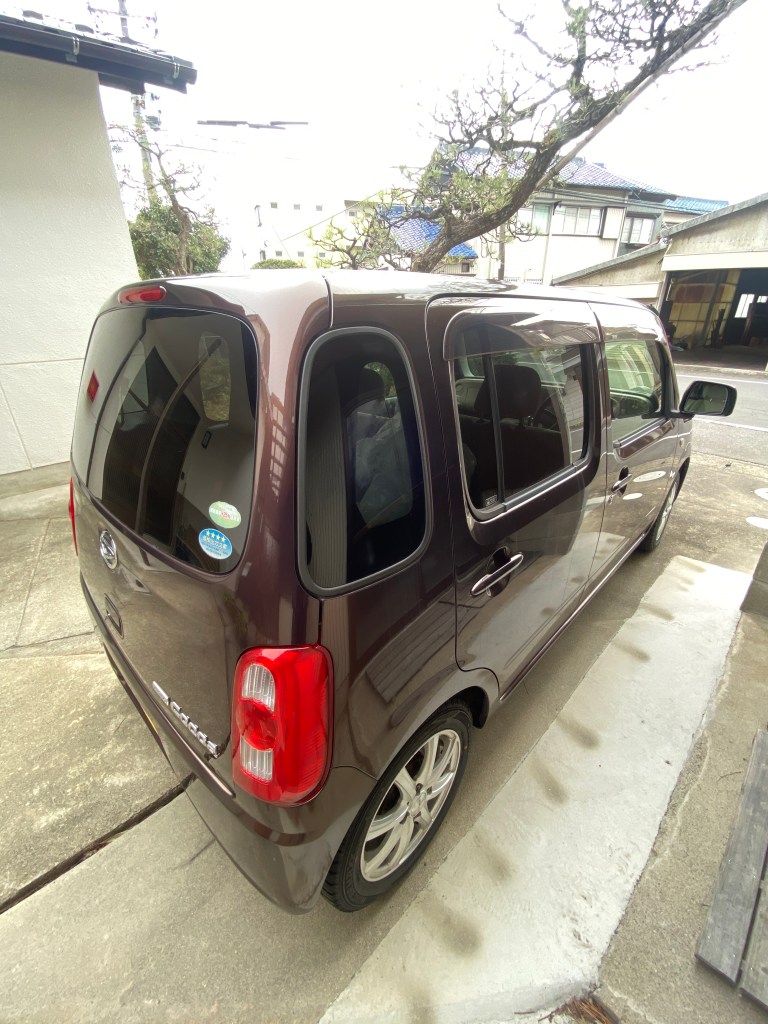
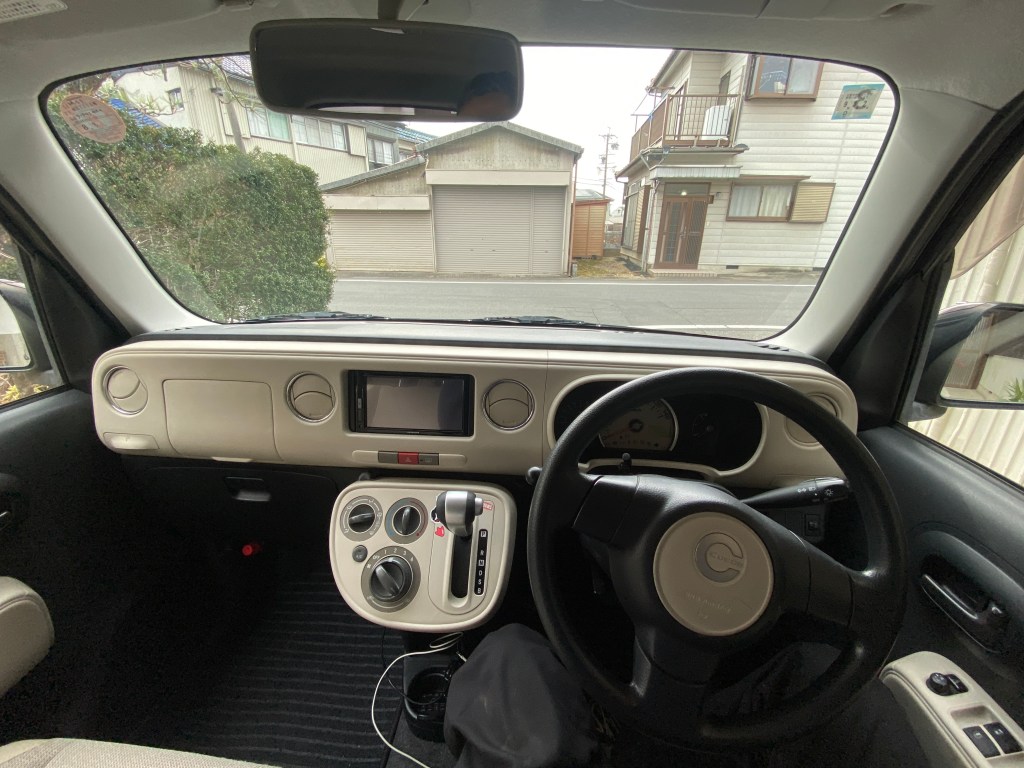
As for my personal experience, I am currently driving a kei car as a temporary loan while waiting for my lease car to arrive. I had never driven a kei before, but today I had the chance to run some errands. I was surprised by how roomy the interior was! Our four-seater with four doors kind of reminds me of the Volkswagen Up we used to lease in the Netherlands. It drives well enough for short trips, but I would prefer our actual lease car, a Honda Freed, for longer road trips through the mountains of Gifu Prefecture. Nonetheless, this kei car is perfect for picking up groceries.
Have you ever experienced driving a kei car? What are your thoughts on their practicality?
#KeiCars #Japan #AffordableTransportation #CarCulture #DrivingExperience #JapaneseCars #UrbanMobility





 Experiences - Life - Inspiration 🇨🇭🇯🇵
Leave a comment