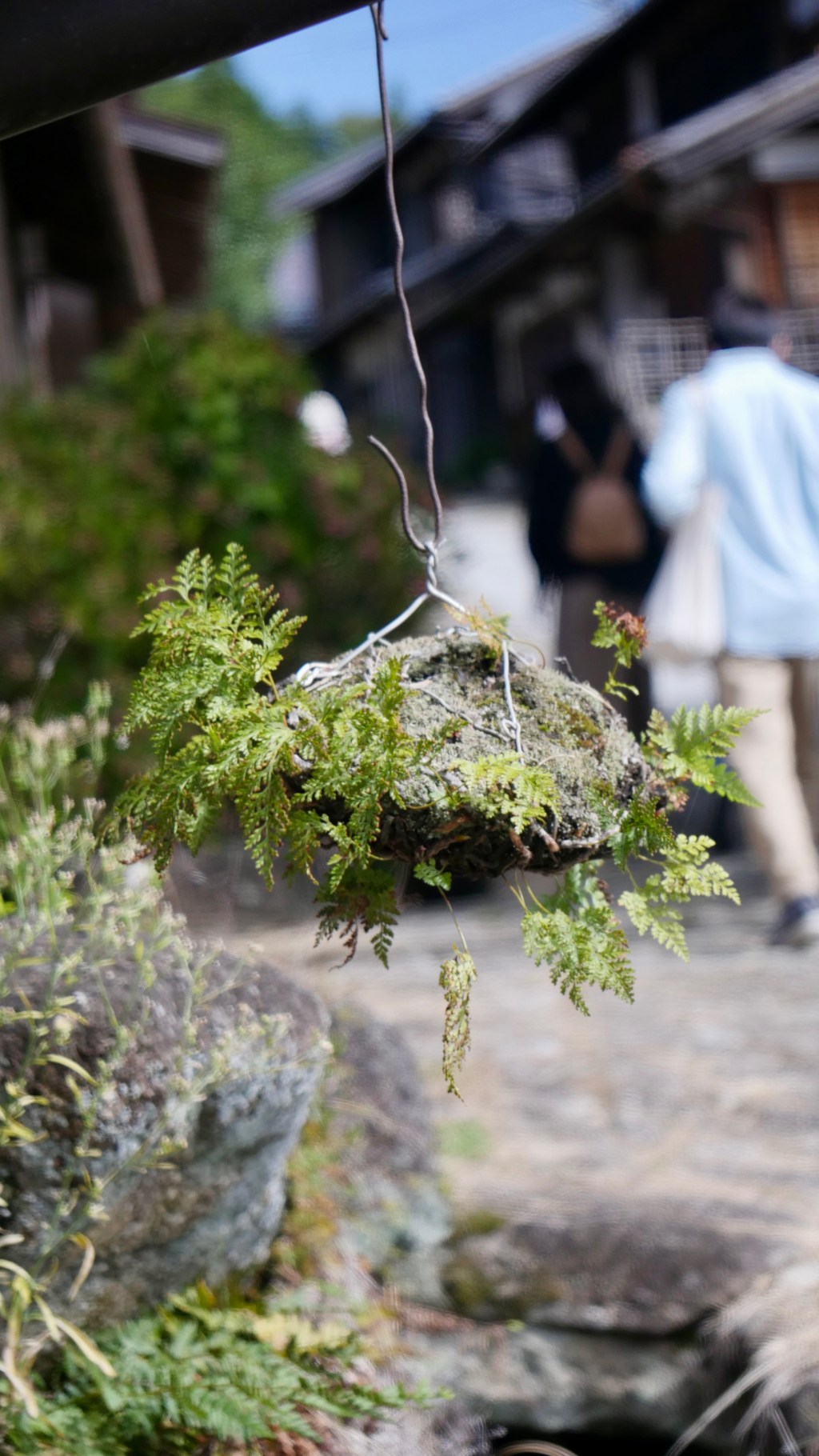
Tonight, my wife and I are excited to engage in a kokedama workshop in Nagoya—a venture that feels both nostalgic and promising. Last year, I attempted to nurture my very first kokedama, but it didn’t survive under my care. Determined not to repeat past mistakes, I began to wonder how I could create one from scratch and provide the proper care. To my delight, we discovered a barista bar in Nagoya that showcases numerous kokedama throughout their café. They host workshops occasionally, and tonight, our opportunity to learn has arrived!

Kokedama, often referred to as the “poor man’s bonsai,” is a traditional Japanese gardening art form that involves growing plants in a ball of soil covered with moss, serving as a natural container. The term “kokedama” translates to “moss ball” in Japanese. This minimalist and artistic gardening technique has garnered worldwide popularity for its unique aesthetic appeal.
Key Features of Kokedama:
- Design: Kokedama are visually striking and often hung by strings or beautifully displayed on a flat surface like a dish or tray.
- Plants Used: They accommodate a variety of plants, including ferns, ivy, bonsai trees, orchids, and succulents, depending on the care level you’re willing to provide.
- Aesthetic Appeal: The natural moss sphere resonates with the Japanese aesthetic of wabi-sabi, celebrating beauty in imperfection and impermanence.
- Space-saving: Ideal for small spaces or indoor environments, kokedama offers a compact way to infuse greenery into homes or offices.
How to Make a Kokedama:
- Prepare the Soil: Combine peat moss and bonsai soil (or akadama) to create a mixture that retains moisture while allowing air circulation.
- Form the Ball: Shape the soil mixture into a firm ball, ensuring it accommodates the plant’s root system.
- Wrap with Moss: Cover the soil ball with moss (usually sphagnum moss) and secure it using string or twine.
- Insert the Plant: Gently insert the plant’s roots into the soil ball and tighten the moss around it to hold it in place.
Care Tips:
- Watering: Immerse the moss ball in water until saturated, then let the excess drain. The frequency depends on the plant and environment.
- Light: Position your kokedama in bright, indirect light, avoiding harsh direct sunlight that may dry out the moss.
- Humidity: Higher humidity thrives in promoting moss and plant health.
- Pruning: Trim plants as necessary to maintain their shape and well-being.
Modern Usage:
Kokedama has become popular for:
- Home décor: Unique centerpieces or wall art.
- Gifts: Their beauty and compact size make them excellent gifts.
- Workplace greenery: They introduce nature into offices without occupying much space.
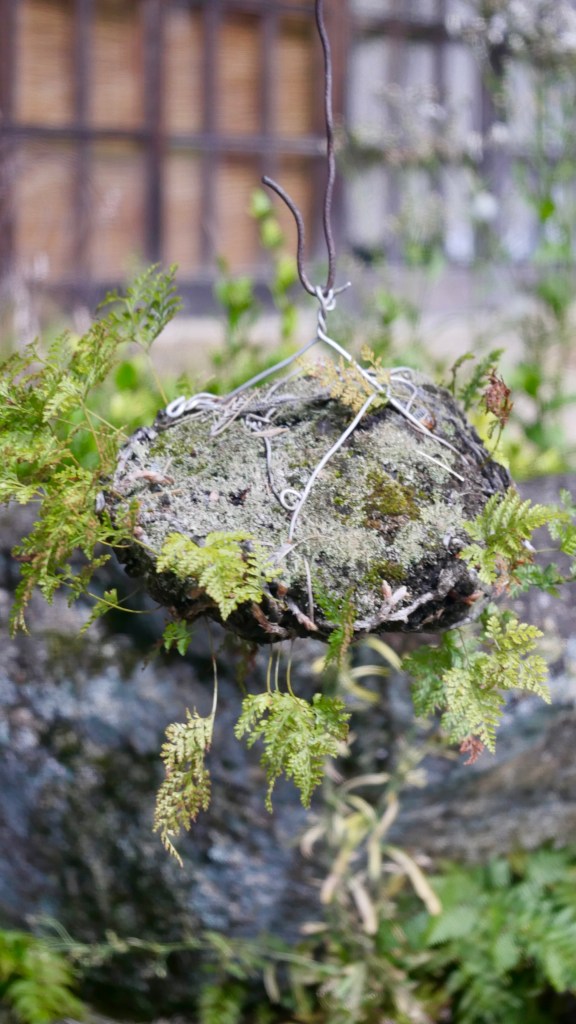
I’m looking forward to this evening’s workshop and excited to embrace the art of kokedama once more. Who knows, maybe this time, I’ll nurture a beautiful moss ball that will thrive!
#Kokedama #Workshop #Gardening #JapaneseArt #MossBall #PlantCare #HomeDecor #Greenery #UrbanGardening #WabiSabi #NatureLovers





 Experiences - Life - Inspiration 🇨🇭🇯🇵
Leave a comment