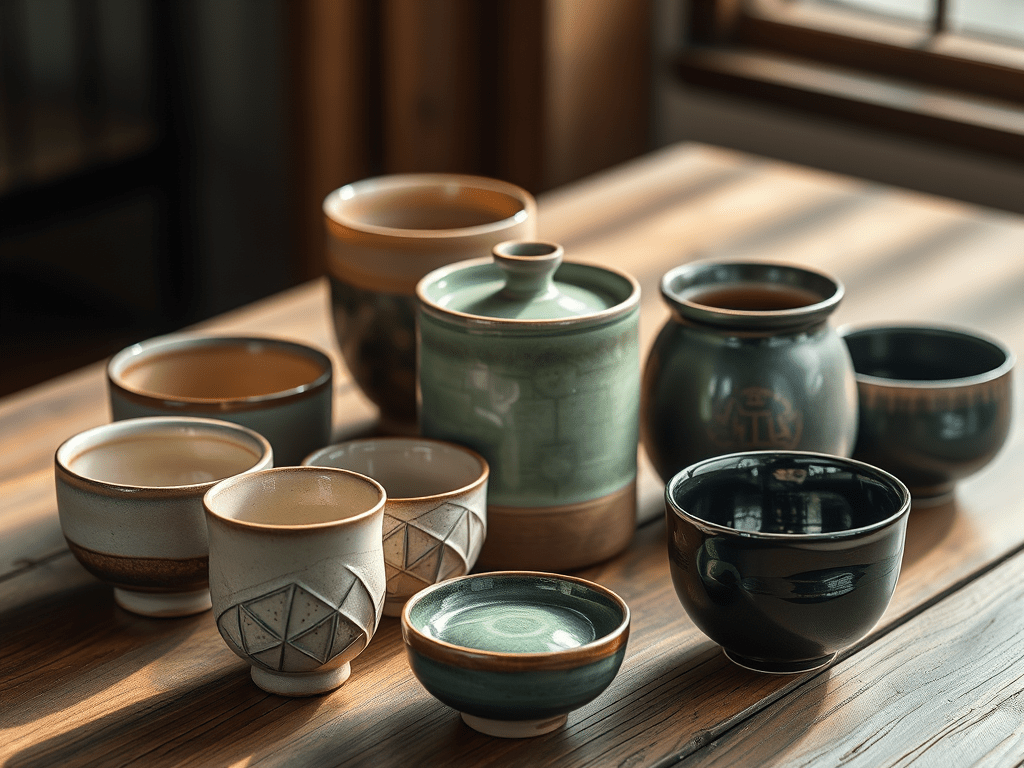
Mino Ware, or Mino-yaki, has a storied heritage in Japan, originating in Gifu Prefecture over 1,300 years ago. This captivating tradition of ceramics has left an indelible mark on ceramic artistry. Here are some fascinating facts about Mino Ware that reveal its significance and charm:
1. Four Key Styles
Mino Ware is characterized by several distinctive styles, each possessing its own unique features:
• Shino: Renowned for its soft, earthy tones and thick, milky glaze, Shino was particularly favored in tea ceremonies.
• Oribe: This style, with its bold green glazes and geometric designs, was popularized in the 16th century by the samurai Furuta Oribe.
• Kizeto: Featuring a pale yellow glaze and a slightly translucent quality, Kizeto is often chosen for tea bowls due to its understated beauty.
• Setoguro: Known for its striking black glaze, Setoguro is frequently used for rustic and dramatic pieces, especially tea bowls.
These styles exemplify the Japanese aesthetic of simplicity, imperfection, and the beauty found in nature.
2. The Influence of Tea Ceremonies
Mino Ware is deeply intertwined with Japan’s tea ceremony culture. During the 16th century, tea masters gravitated towards Mino Ware for its unique rustic appeal, particularly favoring the Oribe style that celebrated innovation within tradition.
3. Embracing Imperfection with Wabi-Sabi
In Mino Ware, the wabi-sabi philosophy comes to life, recognizing beauty in the imperfect and the transient. Irregularities in glaze and form are embraced as expressions of individuality and charm, showcasing the extraordinary craftsmanship of Mino Ware.
4. A Hub of Production
Mino Ware stands as one of Japan’s largest ceramic production regions, contributing to over 50% of the nation’s output. This vibrant industry is a cornerstone of local culture and the economy, balancing modern production methods with traditional artistry, making Mino Ware both functional and collectible.
5. Regional Resources
The region’s fertile soil and rich clay deposits, particularly around the Tajimi and Toki areas, provide the high-quality materials essential for successful ceramic production, directly influencing the distinctiveness of Mino Ware.
6. Global Recognition
Mino Ware’s allure extends beyond Japan, inspiring contemporary ceramic artists worldwide, ensuring its enduring influence in global art and design.
These insights provide just a glimpse into what makes Mino Ware fascinating. Whether exploring its crafting philosophy, diverse styles, or cultural importance, Mino Ware connects us deeply with Japanese heritage, inspiring artisans and collectors alike.
For more information on Mino Ware and its remarkable legacy, consider diving into resources about the region and its pottery techniques.
Sources:
• Japan National Tourism Organization (JNTO)
#MinoWare #MinoYaki #JapaneseCeramics #ArtisanCraftsmanship #WabiSabi #TeaCeremony #CeramicArt #CulturalHeritage #GifuPrefecture #ArtInspiration





 Experiences - Life - Inspiration 🇨🇭🇯🇵
Leave a comment