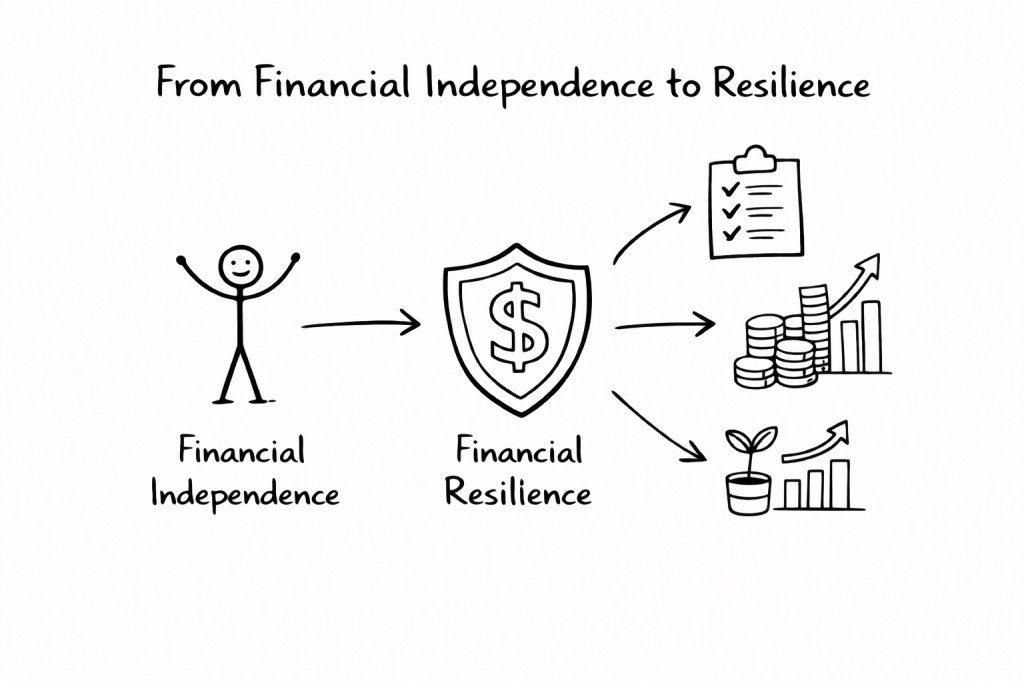
For a long time, my goal was financial freedom.
Then I reached what I thought was that goal.
I no longer depended on a 9–5 job.
My income streams were covering my expenses.
I had time.
But something didn’t sit right.
Freedom sounded final.
Finished.
Arrived.
And I realized something important:
Financial independence is not the end.
It is the beginning of responsibility.
That is when I started thinking in terms of resilience.
What Financial Independence Meant to Me
Independence meant:
- I was not dependent on one employer.
- My living expenses were covered by assets and systems.
- I had space to choose my time.
But independence alone is fragile.
If one income stream stops,
if markets shift,
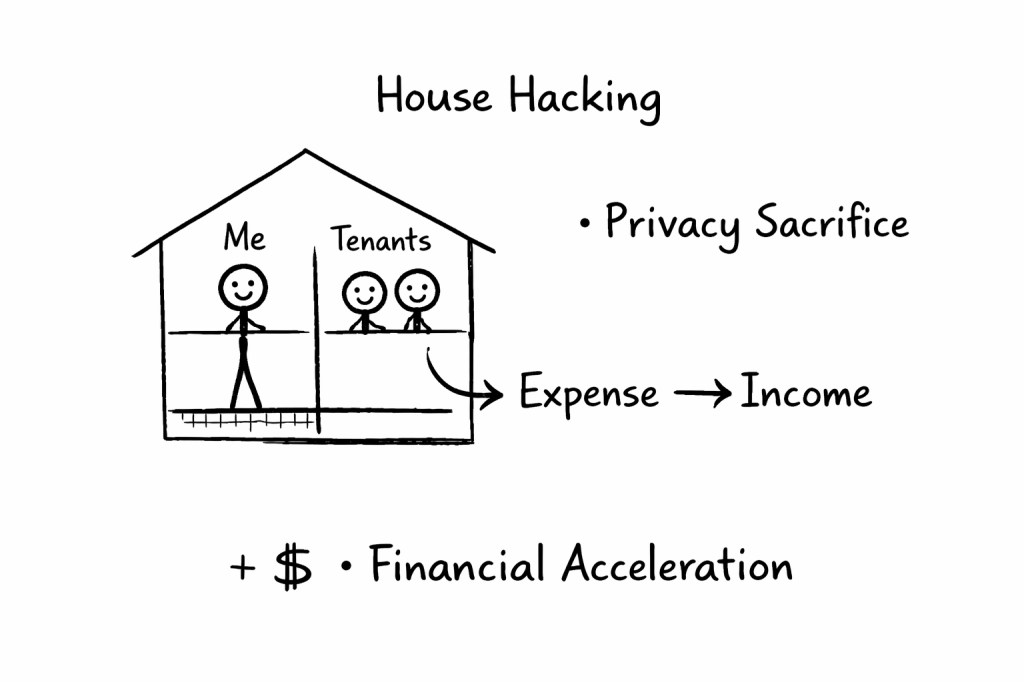
if tenants move,
if dividends are reduced,
independence can weaken.
That’s when I understood:
Independence must evolve into resilience.
My Definition of Financial Resilience
Financial resilience means:
- Multiple income sources.
- Growing savings.
- Compounding investments.
- Buffers that absorb shocks.
- Systems that continue without constant attention.
It is not about having enough.
It is about being stable even when something breaks.
The Rule That Guides Me Now
I no longer ask:
“Do I have enough to stop working?”
I ask:
“If one income disappears tomorrow, am I still stable?”
That question changed how I build.
It forced me to:
- Diversify income.
- Keep improving property.
- Reinvest dividends.
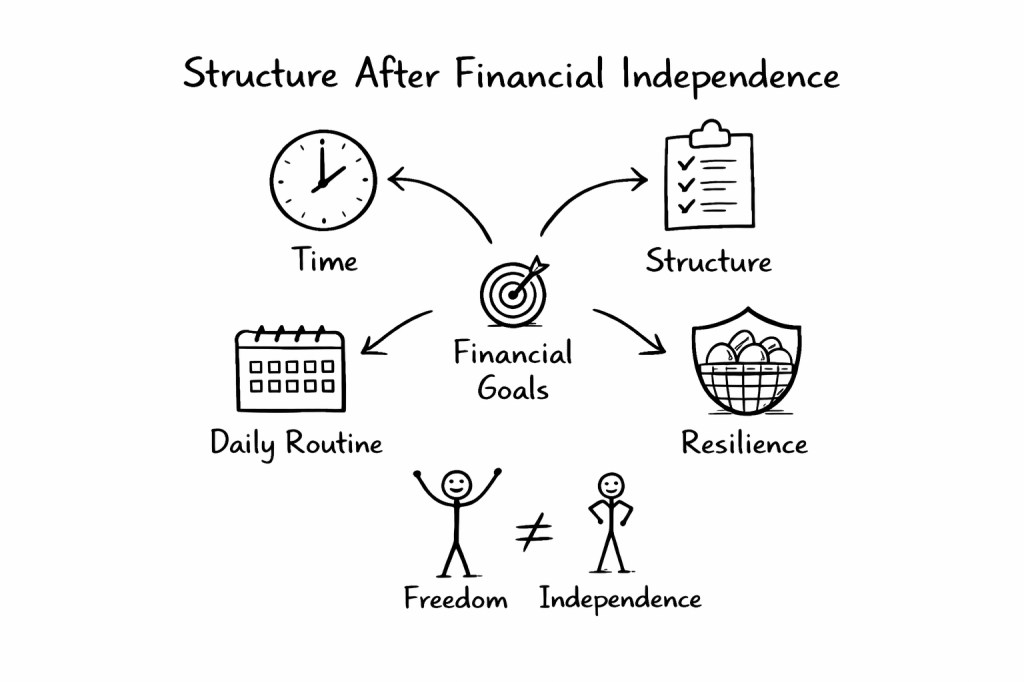
- Continue setting higher financial goals.
- Avoid lifestyle inflation.
Not from fear.
From structural thinking.
Why I Keep Raising Financial Goals
When I first reached my target, I thought I could relax.
But I chose not to.
Instead, I adjusted my goals upward.
Not to accumulate endlessly.
But to increase resilience.
Because I learned:
Income streams are not permanent.
Markets are not stable forever.
Circumstances change.
Resilience requires growth.
The Psychological Shift
At first, financial independence felt like freedom.
Then I realized:
It is actually self-employment without a paycheck guarantee.
I became my own boss.
My own regulator.
My own accountability system.
That was surprisingly difficult at the beginning.
No one forces me to maintain discipline.
No one checks if I’m drifting.
No one guarantees income.
Everything depends on the systems I maintain.
That responsibility is heavier than having a boss.
But it is cleaner.
What Resilience Looks Like In Practice
For me, it means:
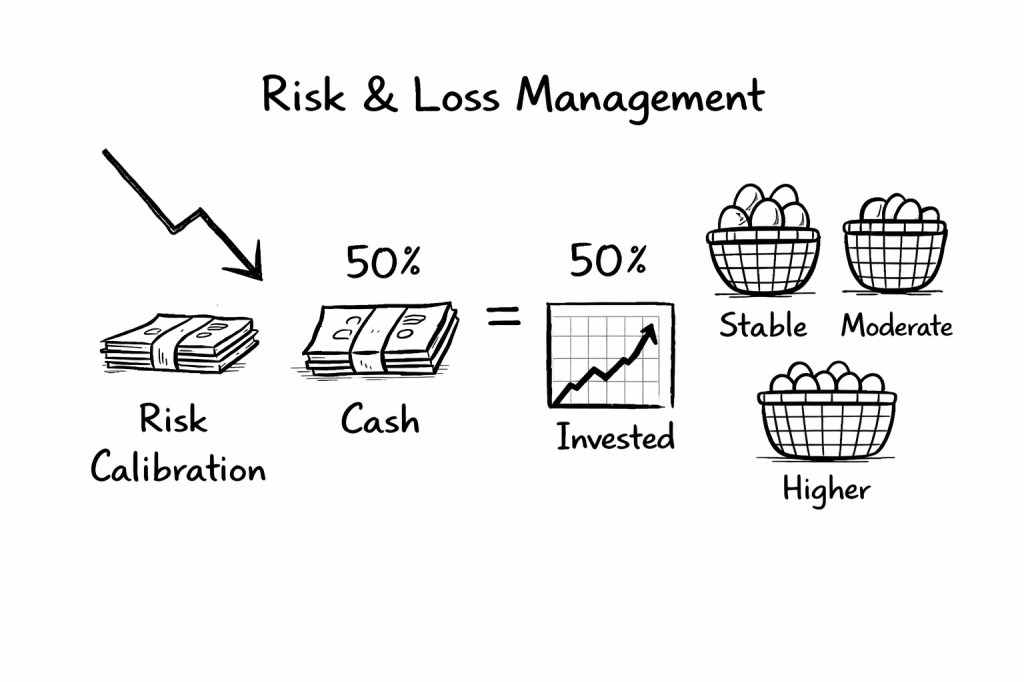
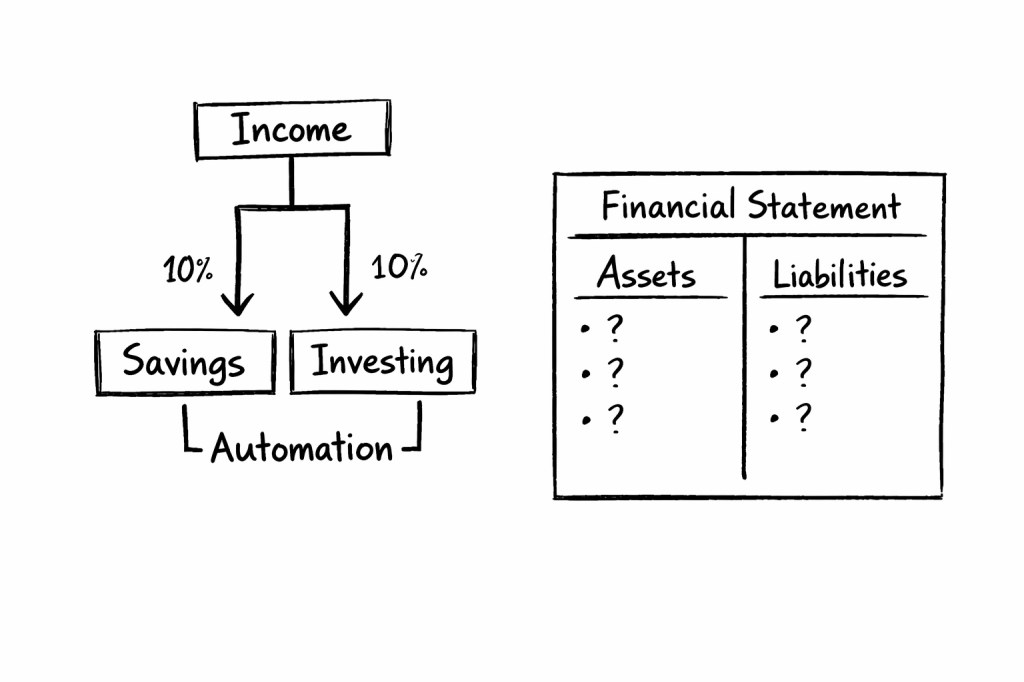
- 50% cash, 50% invested as a baseline anchor.
- Reinvesting dividends.
- Maintaining property responsibly.
- Regular financial reviews.
- Building new income streams slowly.
- Never depending on one source alone.
Resilience is not aggressive growth.
It is layered stability.
Why I Would Never Go Back
After several years of independence and increasing resilience, I know something clearly:
I would never want to return to dependency on a single employer with a single monthly income.
Not because employment is bad.
But because I value structural independence.
And resilience protects that independence.
If you want to experiment with this idea, ask yourself:
If one of your income streams stopped today, how long would you remain stable?
That question is more important than net worth.


 Experiences - Life - Inspiration 🇨🇭🇯🇵
Leave a comment