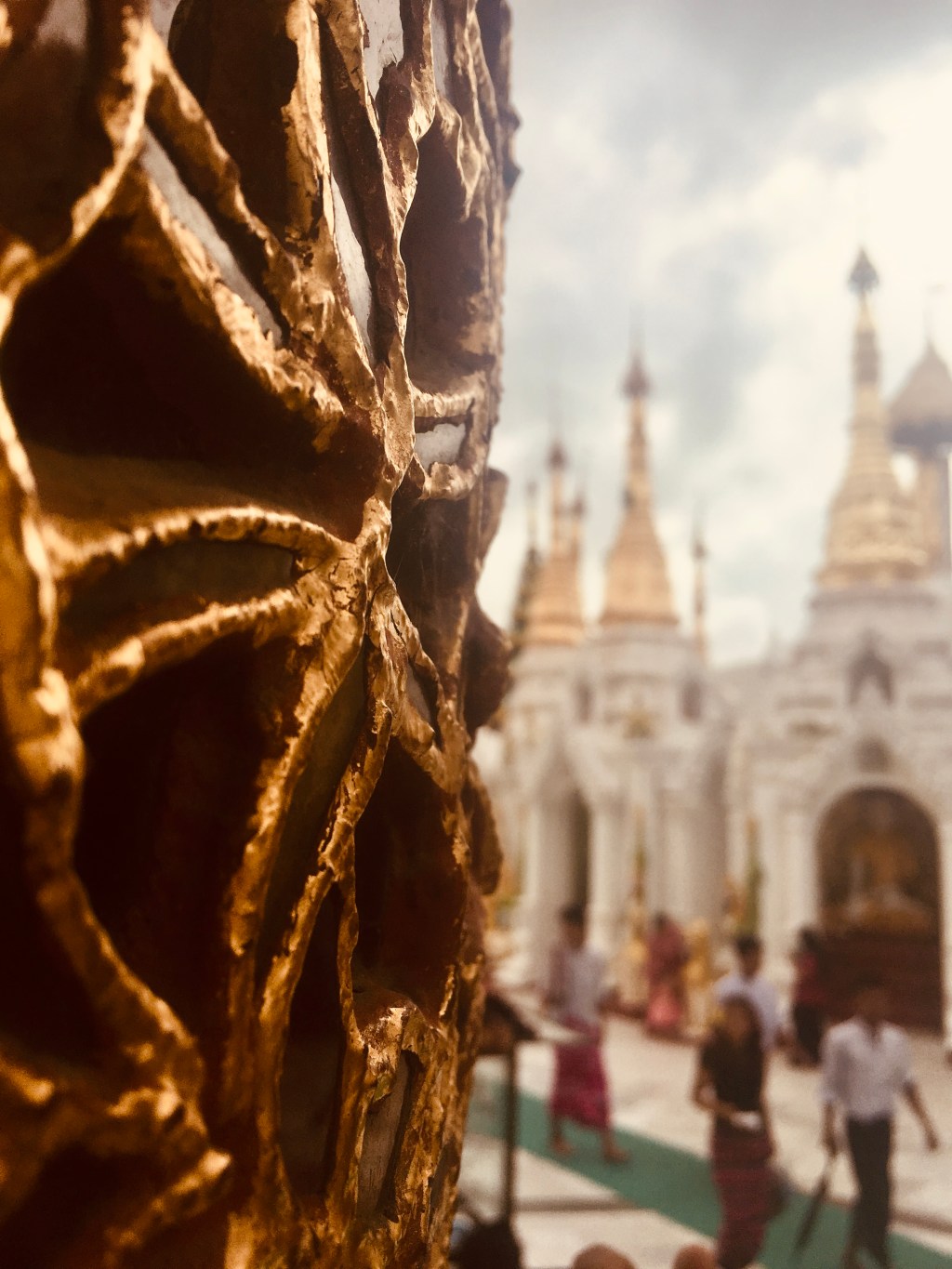
For decades, progress meant reducing error.
Sharper images. Cleaner audio. Smoother finishes. Automated corrections. Digital stabilization.
Technology removed imperfections wherever possible.
But perfection comes with a cost. Predictability.
When every photo is algorithmically enhanced, authenticity becomes harder to feel. When every voice is auto tuned, emotional rawness fades.
Imperfection signals reality.
A shaky handheld shot can feel more intimate than a stabilized one. A cracked ceramic bowl carries more story than a factory perfect plate.
Humans resonate with traces of struggle. Effort. Process.
This is why live music often feels more powerful than studio recordings. Why handwritten notes feel warmer than typed messages.
Imperfection carries emotional texture.
As AI begins generating flawless art, writing, music, and visuals at scale, audiences may increasingly seek human irregularities as proof of authenticity.
Not because perfection is bad.
But because imperfection is human.
The future may not reject technology. It may simply rebalance appreciation.
Machine perfection for utility.
Human imperfection for meaning.




 Experiences - Life - Inspiration 🇨🇭🇯🇵
Leave a comment