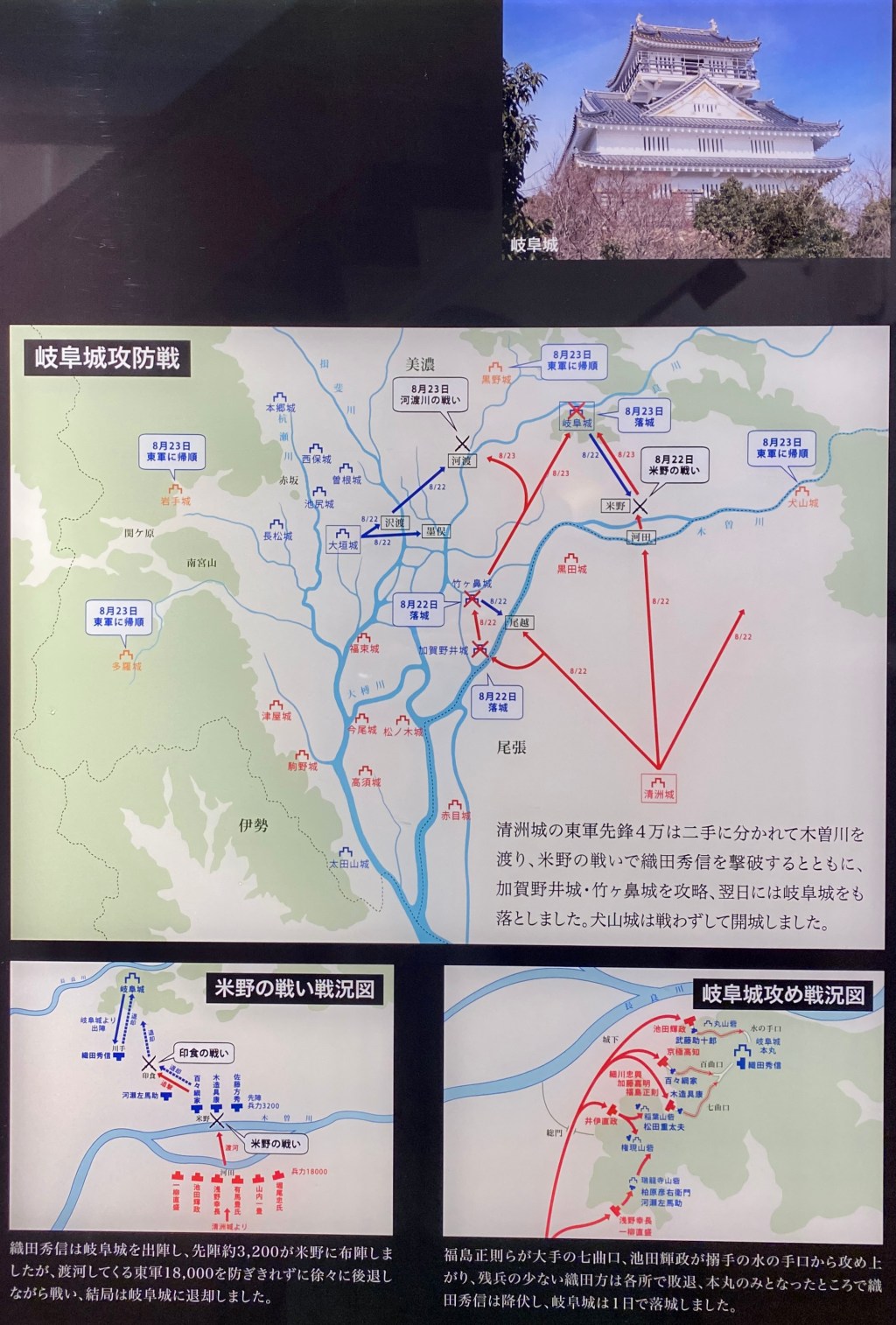
For a long time, Japanese history felt like a box full of puzzle pieces to me.
There were many interesting shapes and names, but no picture on the box. I could not see how anything really fit together. The pieces stayed pieces.
I knew some of the famous names. Tokugawa Ieyasu. Oda Nobunaga. Toyotomi Hideyoshi. I knew there were periods, wars, alliances, betrayals. But in my mind, they all floated in the same vague space, without clear order or direction.
What the Taiga drama and our recent visits started to give me was not knowledge in the strict sense.
It gave me orientation.
Slowly, a kind of rough map began to form. Not a detailed one. Not an accurate one. But a usable one. I began to see which figures came before others. Who was connected to whom. Why certain places mattered more than others.
Once that map exists, even in a very simple form, everything changes.
When I read about a battle now, it is no longer just a date and a place. It happens somewhere on that map. When I hear a name, it is no longer just a sound. It belongs somewhere in a story.
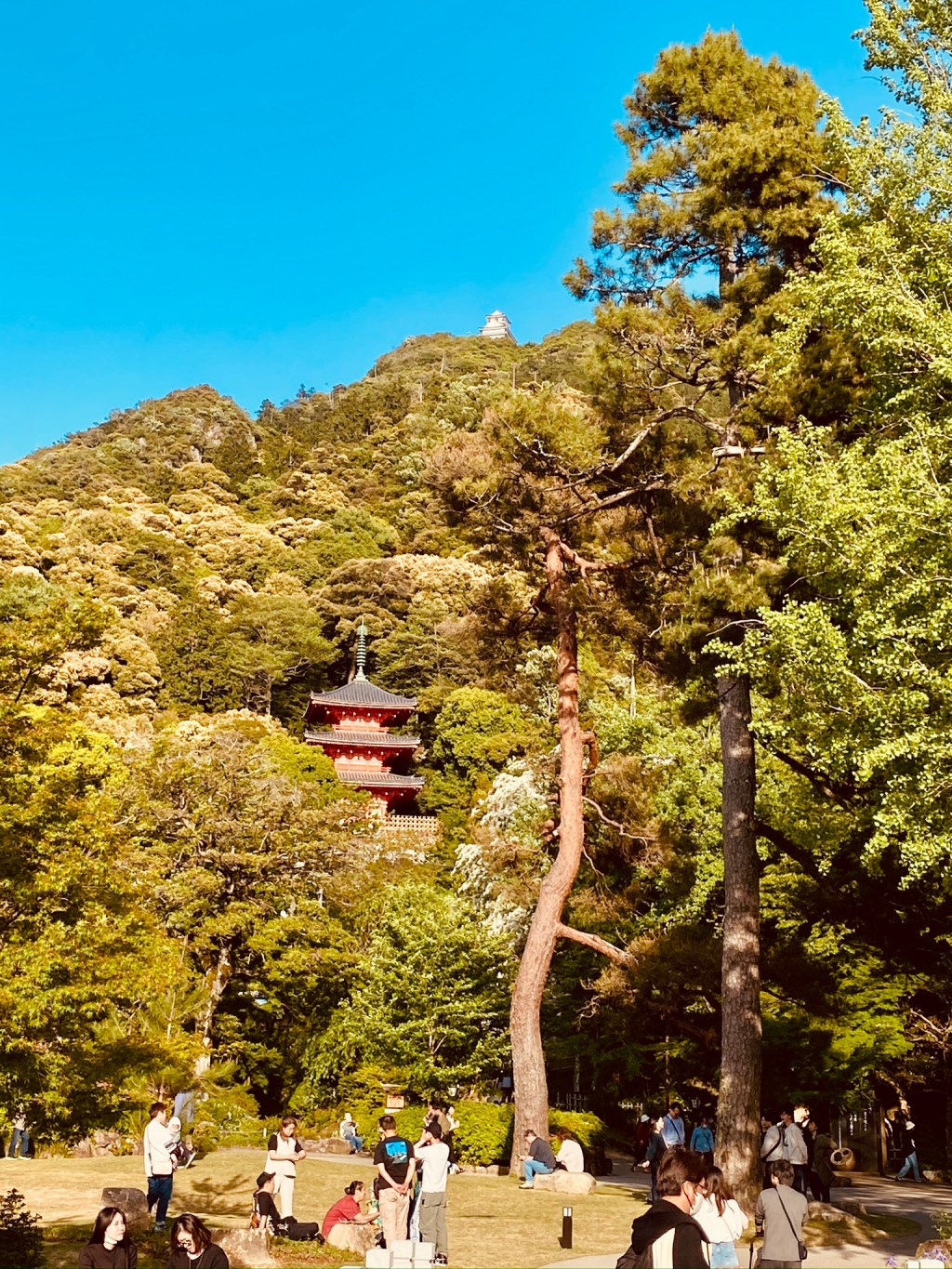
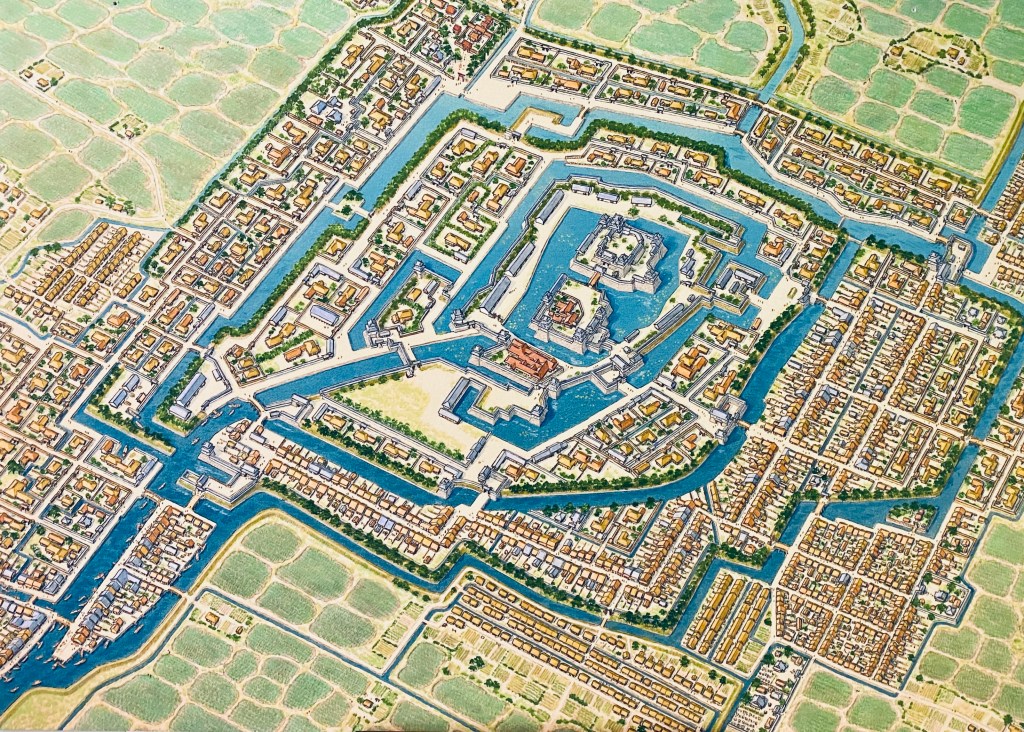
I also notice this when we drive around Gifu and Aichi. Place names that used to be just names now start to feel like markers. Like points on a larger canvas that I am only beginning to recognize.
Understanding, I am learning, does not start with details.
It starts with structure.
First you need a rough sketch. Only later do the fine lines begin to matter.
I am still very much at the beginning. My map is full of white spaces and wrong assumptions. But for the first time, I feel like I am no longer just collecting isolated facts.
I am slowly beginning to see a landscape.
And that makes me want to keep exploring.



 Experiences - Life - Inspiration 🇨🇭🇯🇵
Leave a comment