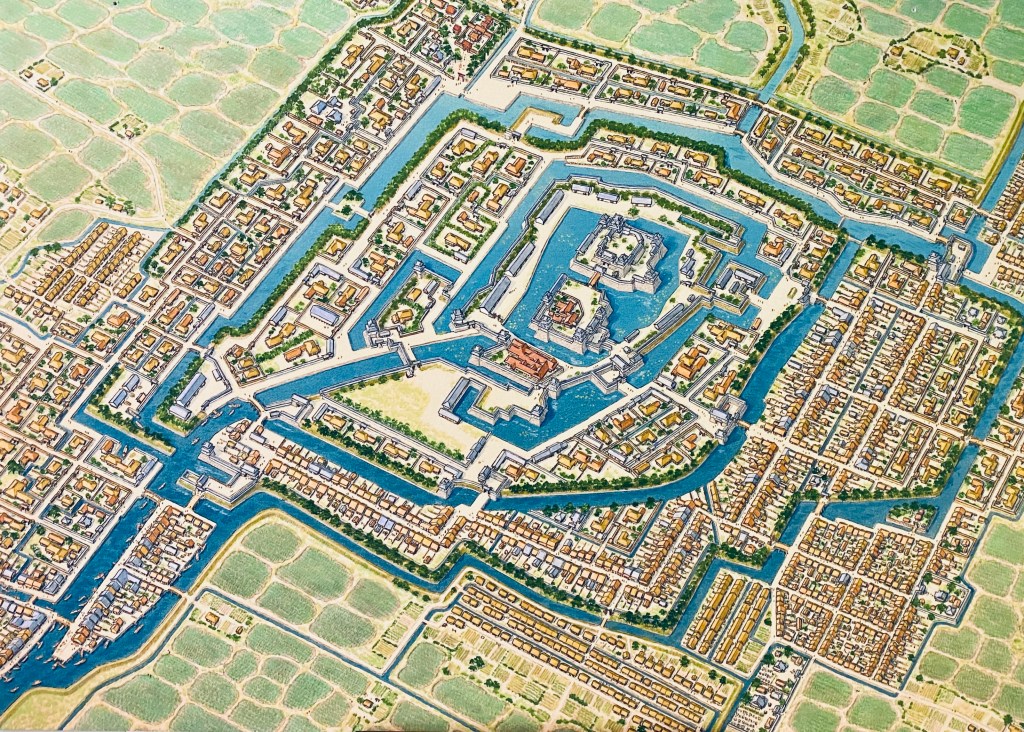
I know that the Taiga drama Ieyasu. What Will You Do? is not a documentary.
Like any historical series, it simplifies, dramatizes, and reshapes things. Characters are interpreted in a certain way. Events are compressed. Some details are emphasized, others are left out. This is how storytelling works.
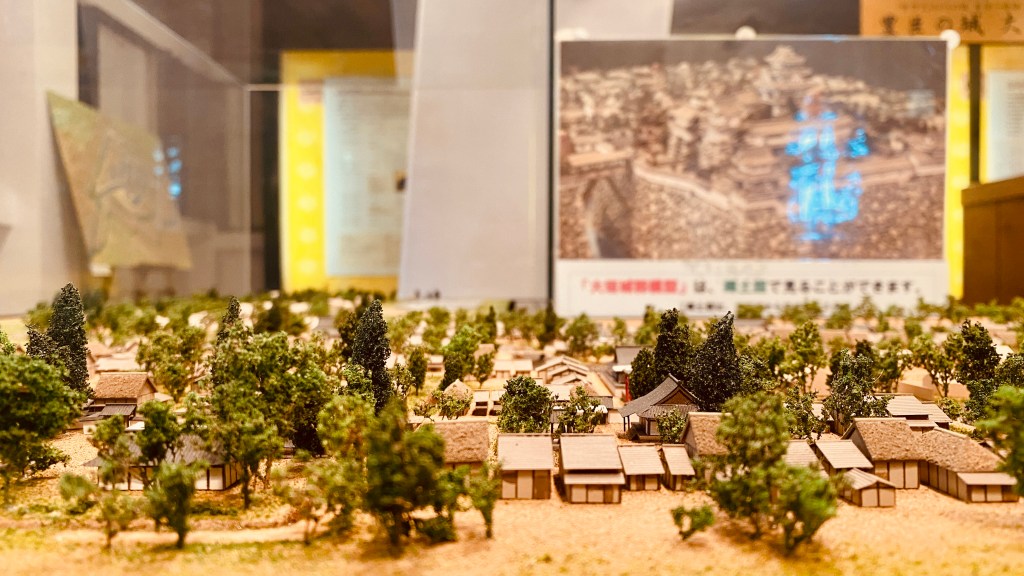
And yet, without this series, my wife and I would probably not have gone to Ogaki Castle last weekend.
That thought stayed with me.
For a long time, I believed that to approach history properly, one should start with facts. With correct timelines. With precise explanations. With the right books. But the truth is, I rarely did. It felt too big, too complex, too far away from anything I could emotionally hold on to.
What the series gave me was not accuracy. It gave me interest.
It gave me faces, conflicts, motivations, and a sense of movement. It gave me a narrative thread, something my mind could follow. And once that thread existed, the names and places I had heard before started to attach themselves to something more human.
Only after you care, you start to ask better questions.
Only after you care, you start to notice what you do not know.
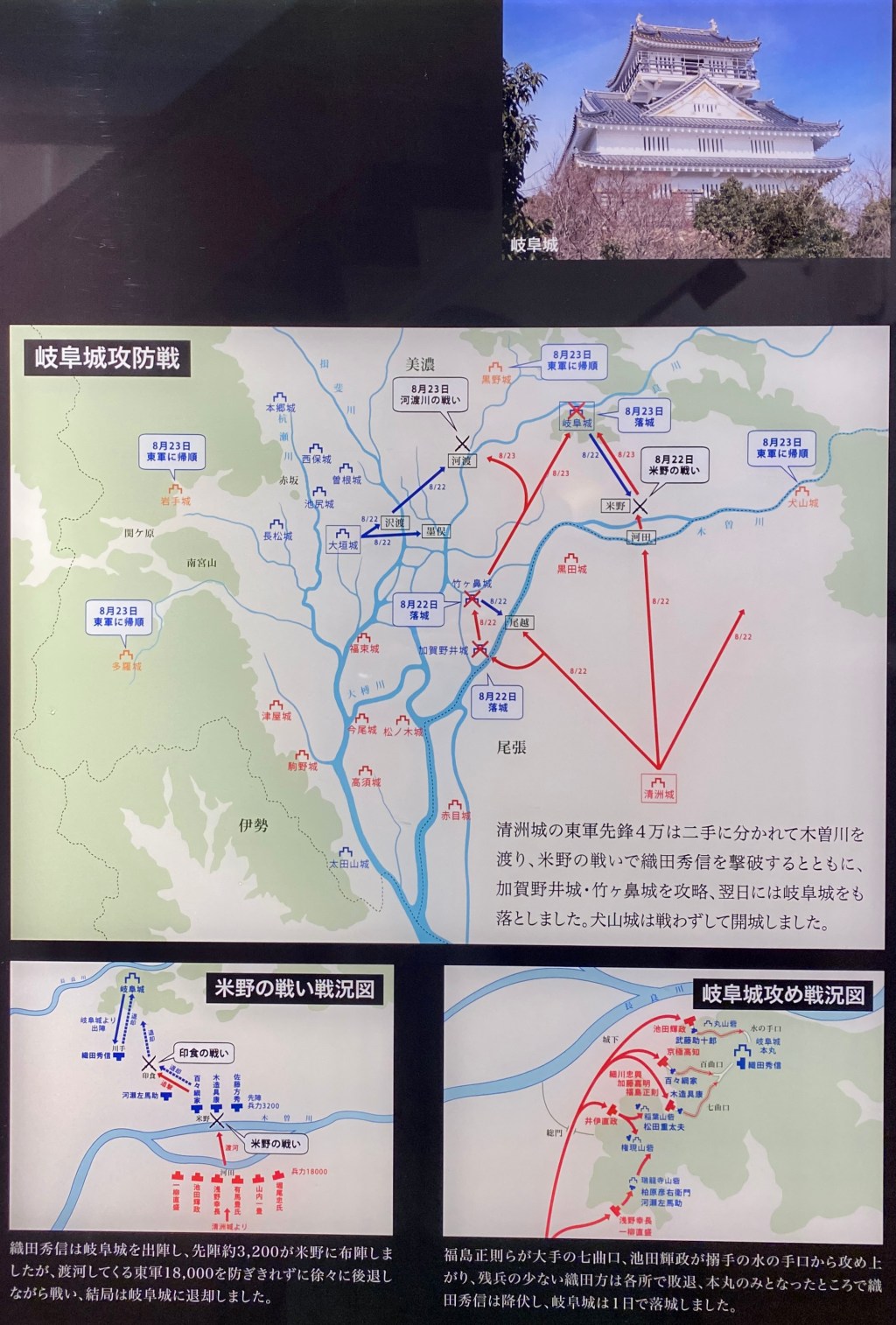
Standing in front of historical information boards now, I do not read them with the expectation of already understanding everything. I read them with curiosity. With the feeling that I am slowly filling in and correcting a story that has already begun in my mind.
Of course, accuracy matters. Of course, details matter. But I am starting to think that for many of us, they do not come first.
First comes the spark.
First comes the moment where something stops being just “stuff I should know” and becomes “something I want to understand”.
Stories, even imperfect ones, are often that spark.
They are not the destination. They are the doorway.



 Experiences - Life - Inspiration 🇨🇭🇯🇵
Leave a comment