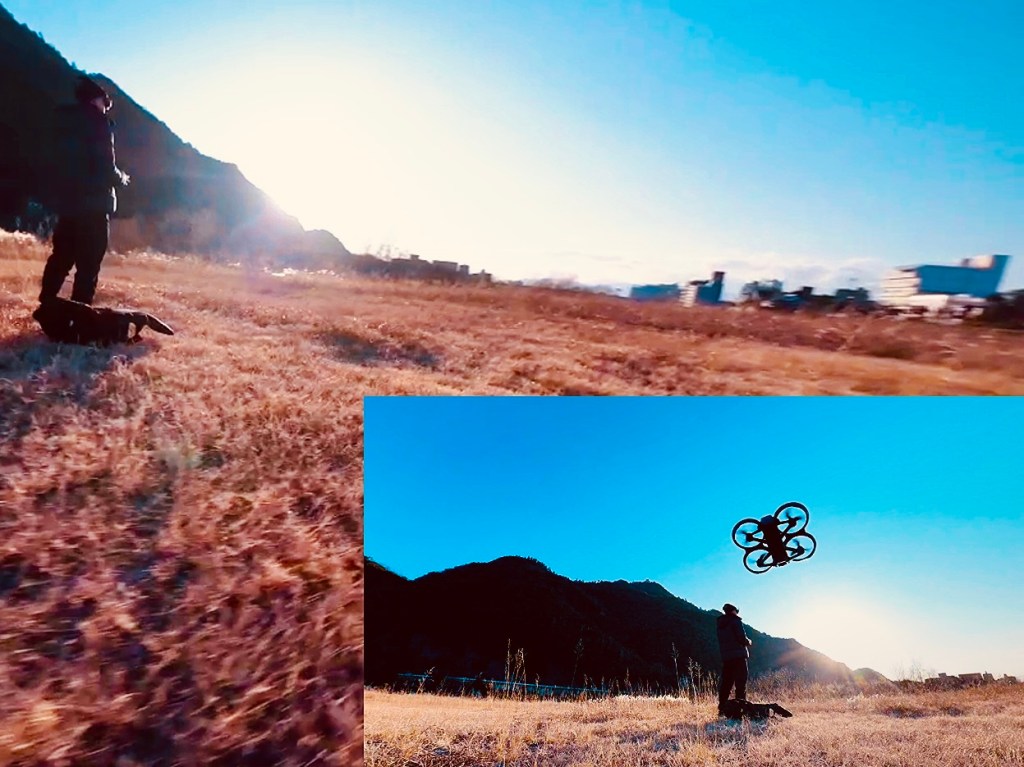
2025 was the year I learned how to fly FPV.
But in a way, this story started earlier.
It started in October 2024 with the DJI Neo. That little drone was my first real entry point into FPV. The goal was never to stay with it forever. The goal was to use it as a training tool, to learn the basics, and then transition to the DJI Avata 2 as soon as I was ready.
That transition happened in February 2025.
Looking back, it was the right move at the right time.
2025 became the year of learning in the deepest sense. Not just how to take off, turn, recover, crash, repair, repeat. But how to stay calm. How to trust my hands. How to read space. How to accept mistakes as part of the process.
The Avata 2 was the drone I wanted to master. It was the machine I dreamed of flying confidently. And it has been a steep learning curve.
There were many crashes. Many repairs. Many moments of frustration. DJI Care saved me more than once and gave me the peace of mind to keep pushing, to keep trying, to keep learning. And slowly, toward the end of 2025, something shifted. My flying became smoother. My movements became more intentional. My videos started to look less like practice sessions and more like actual films.
But there was another important transition happening quietly in the background.
Somewhere around August 2025, my DJI Neo was no longer fully functional. I had maxed out the DJI Care Refresh for it and decided not to repair it anymore. In a way, I had outgrown it. And that was actually a good thing.
If it had kept working, I would probably have continued to use it “just a bit more”. To practice a bit more. To stay in that safe, familiar learning zone. I might not have accepted that it had become a limitation rather than a stepping stone.
Then, in September 2025, I lost the DJI Neo.
And suddenly, that chapter was truly closed.
There was no going back to my first learning drone. No more switching between platforms. No more hesitation. I could fully focus on flying the Avata 2. And almost immediately, I felt the difference. My flying improved faster. My confidence grew. My decisions in the air became clearer.
It also accelerated another realization.
The Avata 2 is not a true freestyle drone. It was never meant to be. It can do flips and rolls, yes. It can handle a lot. But it is built for cinematic flying, not for hardcore freestyle the way self built quads are. Those big, powerful FPV drones that some pilots use to dance through abandoned buildings and push physics to its limits are incredible machines. The skill required to fly them is impressive. The videos are impressive too.
But somewhere along the way, I noticed something about myself.
The more I chased acrobatics, the less I cared about where I was flying.
The place became a backdrop. A stage for tricks. And every crash carried not only a financial cost but also a mental one. A subtle tension. A subtle pressure to perform. To push. To do something “worth it”.
And when the excitement of acrobatics slowly started to wear off, something else became more visible.
What I actually love is not the trick.
What I love is the place.
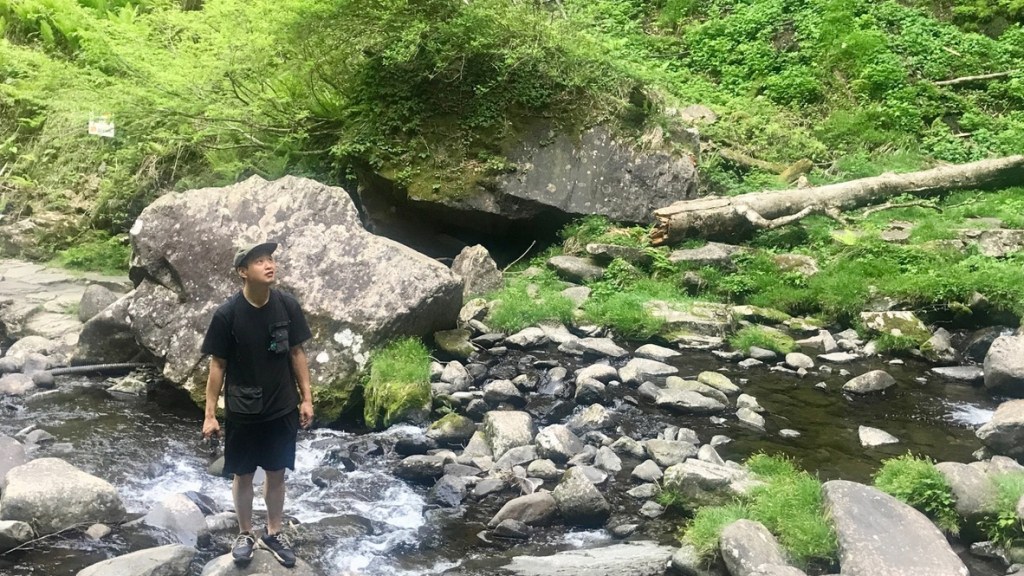
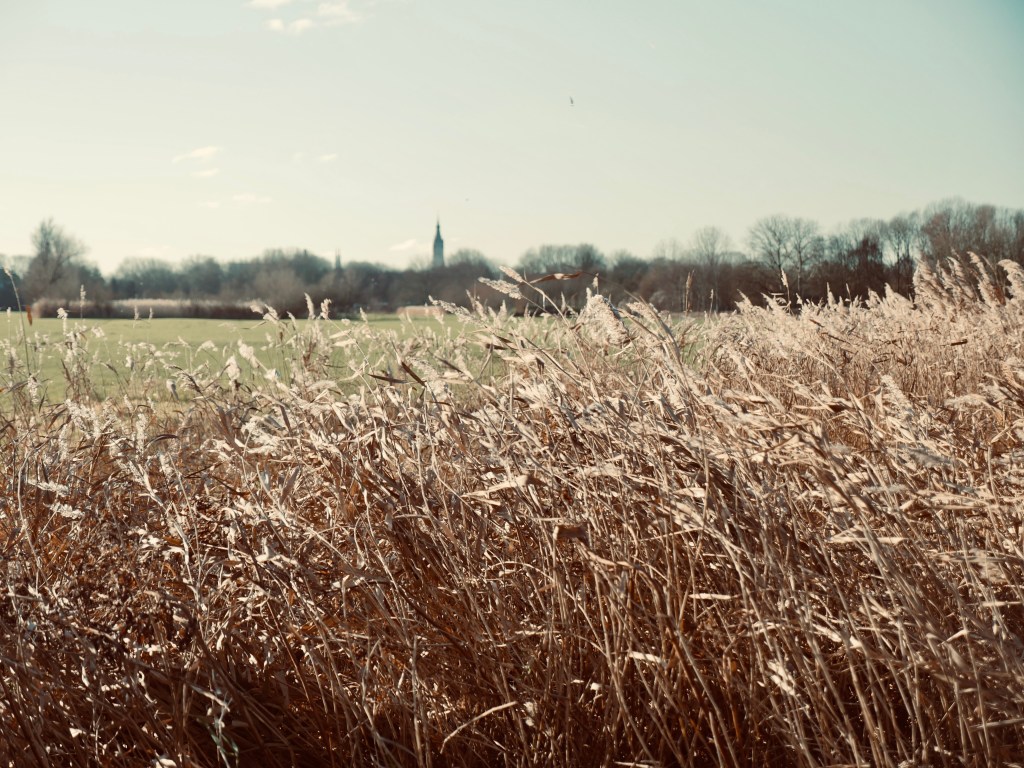
Japan is full of landscapes that invite you to slow down. Mountains, rivers, coastlines, forests, quiet villages, misty mornings. When I fly slowly and smoothly, when I let the drone glide instead of fight gravity, I feel much more present. Much more connected. It stops being about what the drone can do and starts being about what the place feels like.
That is the kind of flying I am gravitating towards now.
Cinematic. Slow. Scenic.
Not because I cannot do acrobatics anymore. But because I no longer feel the need to center my flying around them.
I also started to think more about the kind of content I want to create.
Short, spectacular clips are fun. They catch attention. They are exciting. And they are also easily forgotten.
Longer videos, vlogs, quiet journeys through places, stories around a location or a day, those are different. They are not about adrenaline. They are about connection. About sharing a mood. About inviting someone to come along, not just to watch.
I want the technical side of FPV to become an entry point, not the main topic.
I want people to watch not because they want to see the latest drone or the craziest maneuver, but because they want to experience a place, a moment, a journey.
This also changed how I think about gear.
I do not want to become an FPV pilot who is always chasing the newest and greatest drone. I would rather be someone who is known for making the most out of one or two tools. For really knowing them. For using them with intention.
For now, that is the Avata 2. And perhaps soon, also the Avata 360.
That feels more honest to me. More sustainable. More aligned with how I approach life in general.
Looking back, I see that 2025 was about building a foundation. Learning control. Learning confidence. Learning through mistakes.
And 2026 feels like it will be about refinement.


 Experiences - Life - Inspiration 🇨🇭🇯🇵
Leave a comment