and Why It Feels So Different From International Tourism.
Living in Gifu has quietly changed the way I look at travel in Japan. Not because Gifu is famous. It is not. Not because it is easy to explain to someone abroad. It rarely is. But because watching how Japanese people travel from the inside has shown me something important. They are not chasing the same things international visitors usually are.
The international way of choosing destinations
When friends visit Japan for the first time, or when I look at international travel guides, the pattern is almost always the same. Tokyo. Kyoto. Osaka. Maybe Mount Fuji if there is time.
The logic makes sense. Time is limited and these are names people recognize. Places they have heard about long before landing in Japan. International travel often revolves around highlights, about seeing what you are supposed to see and making sure nothing important was missed. I traveled that way myself for many years. It feels efficient. It feels safe. But it is a very different mindset from how Japanese people usually choose where to go.
The Japanese way of choosing destinations
Japanese domestic travel is rarely about seeing something once. It is about timing, season, weather, food, and how a place feels right now. People do not ask where should I go in Japan. They ask where is good this season.
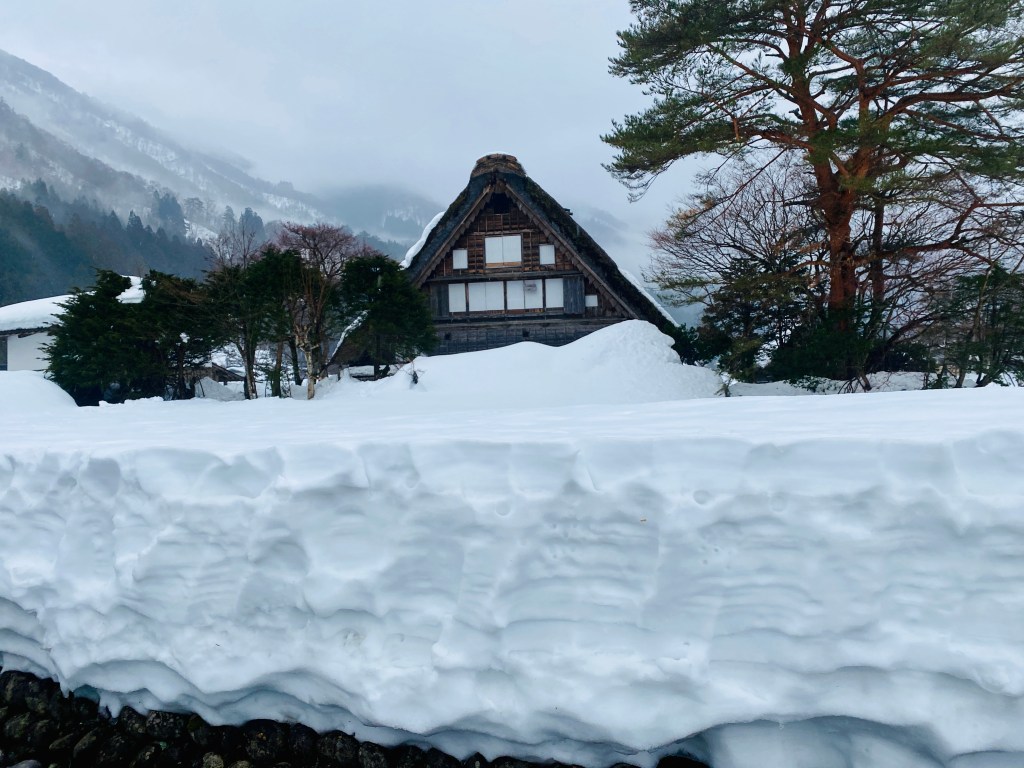
Spring is about cherry blossoms. Summer is about escaping heat. Autumn is about mountains and color. Winter is about snow, hot springs, light, and quiet. The same place can be popular one month and overlooked the next. That is not a flaw. That is the design.
Why domestic travel plays such a big role in Japan
Over time, I realized that domestic travel naturally plays a bigger role in Japan than it often does in Western countries. Japan offers dramatic regional and seasonal variety without ever leaving the country. From beaches to alpine snow, from dense cities to quiet valleys, the contrast is already there. Combined with reliable transport and limited vacation time, short domestic trips simply make sense.
There is also a strong cultural relationship with seasons and repetition. Returning to the same place is not seen as boring. It is seen as attentive. In much of Europe, where borders are close and crossing into another country can feel effortless, travel habits grow differently. Variety often begins just across the next border. In Japan, that variety exists at home.
What living in Gifu taught me
I live in Gifu, right in the Chubu region, surrounded by mountains. International tourists often pass through quickly. Maybe Takayama. Maybe Shirakawa go. Often as a short stop between bigger destinations.
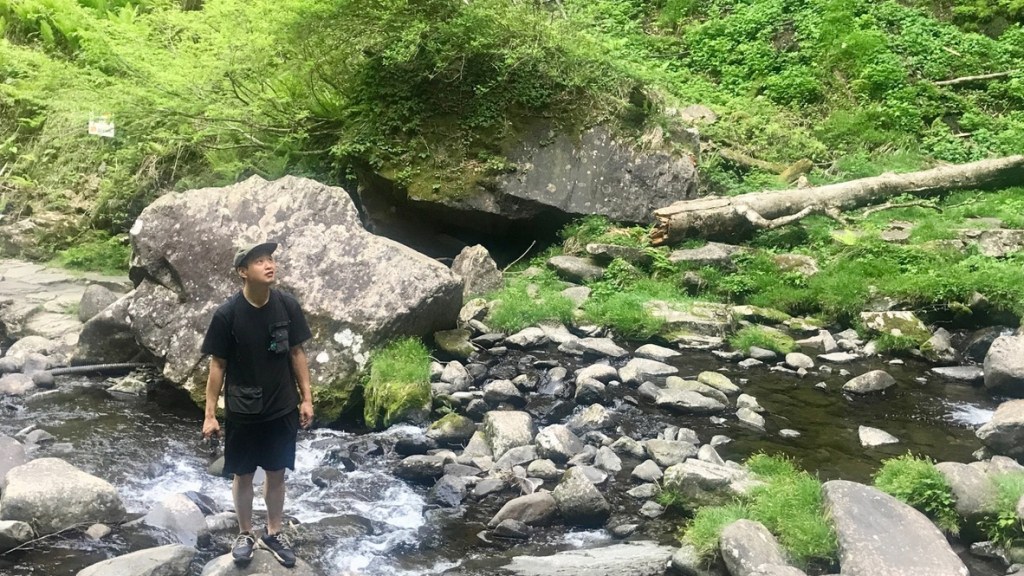
Japanese travelers arrive differently. They come slowly and they come back again. They return in autumn for the leaves, in winter for snow and hot springs, and in summer to escape the heat. They come for things that do not show up well in a checklist. Cool air in the morning. Rivers you can sit next to for hours. Food that only exists here. A sense of space and calm.
I know people who have visited the same valley or town five or six times. Always in a different season. Always for a different reason. That kind of travel is not about novelty. It is about relationship.
A small but important nuance
This does not mean that Japanese people never travel in a checklist way. School trips, company outings, first time trips, and package tours often focus on famous places and efficiency, much like Western tourism. The difference is what happens after.
In Western travel culture, there is often a pull toward seeing new countries and new cities. In Japan, repeat visits are not seen as a lack of curiosity. They are seen as a deeper form of appreciation. A place visited once is rarely considered finished.




 Experiences - Life - Inspiration 🇨🇭🇯🇵
Leave a comment