Not all at once, but slowly. The air inside the house grew heavier. The floors colder. The kind of cold that settles into wood and tatami long before you consciously decide that it is time to heat the house.
I live in a traditional Japanese home in rural Japan. Houses like this do not hide winter very well. You feel it early. Through the walls. Along the edges of rooms. In the places modern insulation never quite reached.
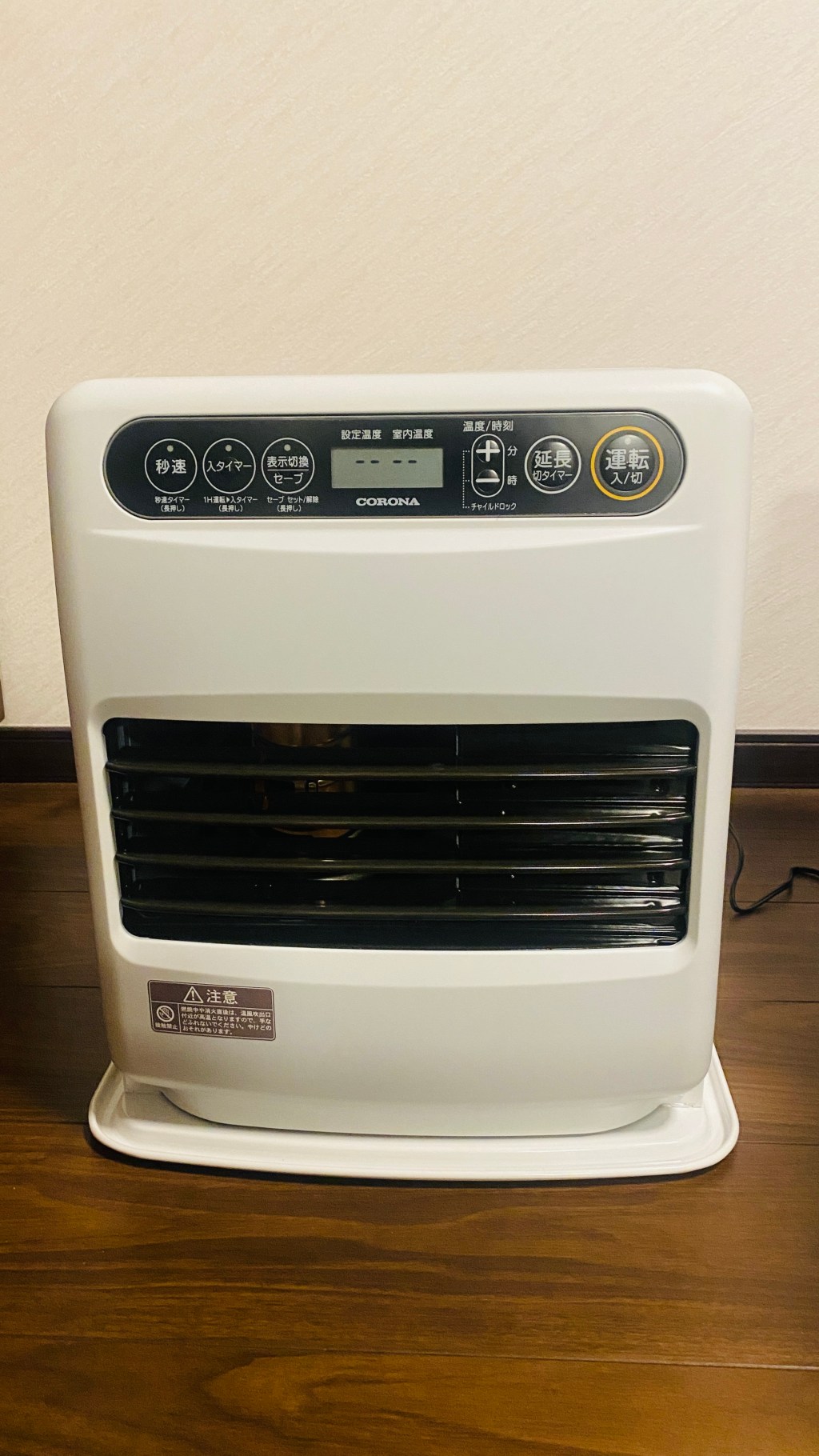
Out of our three kerosene heaters, only one was working.

I thought I would just turn the others on.
They had worked last winter. The tanks were filled. Everything looked fine. In my mind, warmth was already on its way.
But the wick did not ignite.
I tried again. I waited. I checked the fuel. Nothing. No glow. No familiar sound. Just heaters that seemed uninterested in cooperating.
At first, I assumed this was temporary. We are used to things fixing themselves now. Push a button, wait a moment, move on. Heat has become something we expect to be immediate, almost automatic.
So I topped up the tanks with fresh kerosene. New fuel should solve old problems. That felt reasonable.
It did not.
What I had forgotten, again, is that Japanese kerosene heaters do not like shortcuts. Old kerosene left in the system does not politely step aside when you add new fuel. Filters do not magically clear themselves. A wick that has been idle for months does not respond well to impatience.
Nothing was broken. Nothing dramatic had happened. The heaters were simply asking for more care than I was giving them.
With only one heater working, the cold became harder to ignore. In a modern home this might still be manageable. In a house like ours, warmth is local. You heat the space you are in, not the entire building. One working heater suddenly feels very small.
So my wife and I decided to buy a new one.
Joshin was busy in that quiet winter way. Rows of heaters lined up neatly, all promising warmth and reliability. We chose one, brought it home, filled it carefully, and placed it where the cold felt most persistent.
I turned it on.
Nothing happened.
For a moment, I just stood there. Not frustrated yet. More confused than anything else. A brand new heater should work. That assumption felt safe.
My mother in law joined me. Calm, patient, methodical. We tried again. Checked everything. Then called the helpdesk. Polite voices on the other end. Clear instructions. We followed them carefully, step by step.
Still nothing.
At some point, doubt quietly entered the room. Maybe I was missing something obvious. Maybe this was user error. After days of struggling with old fuel, filters, and stubborn wicks, it was easy to assume that the problem was me.
Eventually, we packed the heater back up and returned to the shop.
At Joshin, the staff listened without hesitation. No raised eyebrows. No suggestion that we had done something wrong. Just a quiet agreement that sometimes things do not work the way they should.
They offered to swap it for a new one.
Before leaving, we asked if they could test the replacement. They used the container with a little kerosene we had brought along, left over from the heater that never worked. The staff filled the tank, turned it on, and waited.
The flame appeared.
Small. Steady. Real.
In that moment, something loosened inside me. Relief, yes. But also reassurance. It was not a fluke. I had not imagined the problem. Sometimes, even a brand new heater simply refuses to start.
We brought it home.
This time, when I turned it on, the heater responded almost immediately. The room warmed slowly, quietly, without ceremony. The familiar smell faded. The sound of the heater settled into the background.
No triumph. Just relief.
Standing there, I realized how little this whole episode had to do with technology. Or competence. Or doing everything right.
In older homes like ours, especially in rural Japan, winter asks more of you. Tools are not passive. Comfort is not automatic. Heat does not arrive just because you expect it to.
Old fuel needs to be emptied. Filters need attention. Sometimes, even a brand new heater needs to be returned and replaced before warmth finally settles in.
The house is warmer now. The cold has retreated to its usual places.
And I am left with a reminder.
Not everything that resists us is broken.
Not every difficulty is a mistake.




 Experiences - Life - Inspiration 🇨🇭🇯🇵
Leave a comment