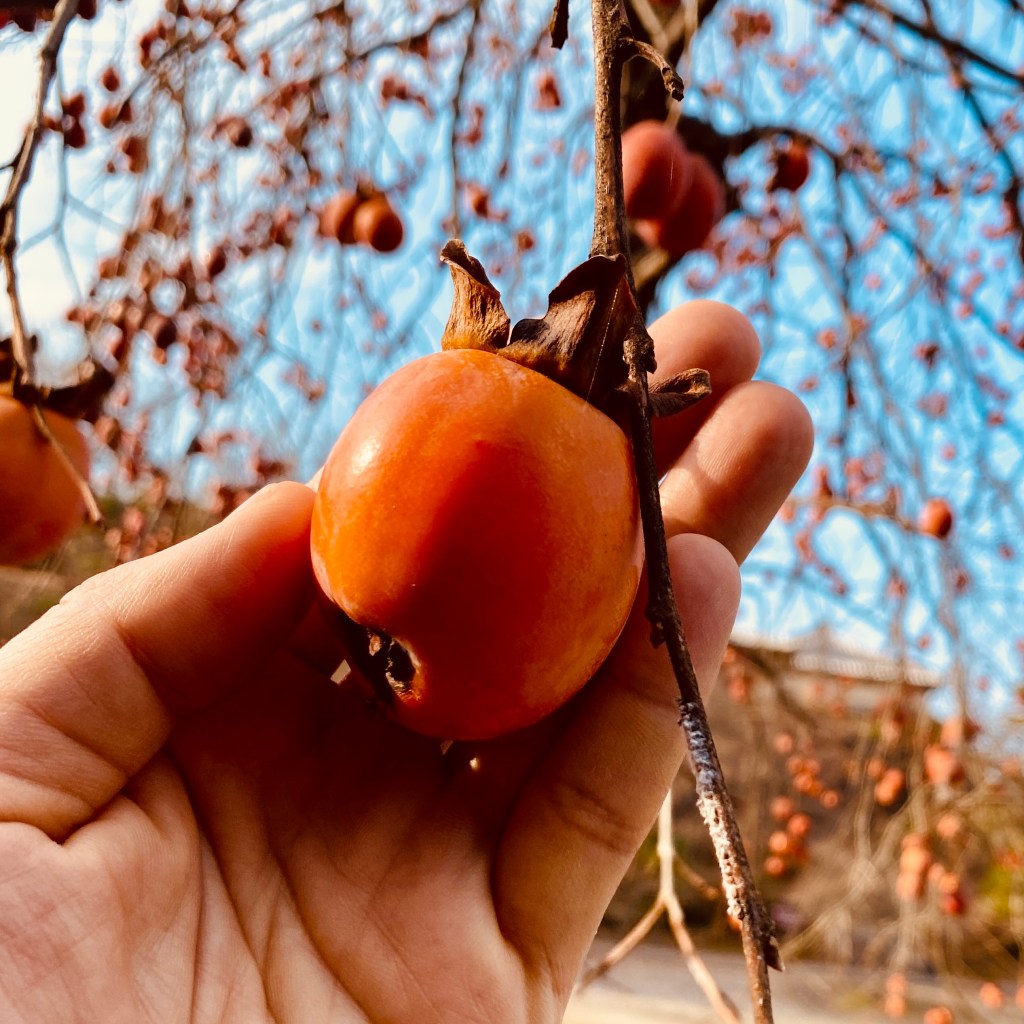
May your endeavors be rewarded, and may you enjoy the fruits of your labor.
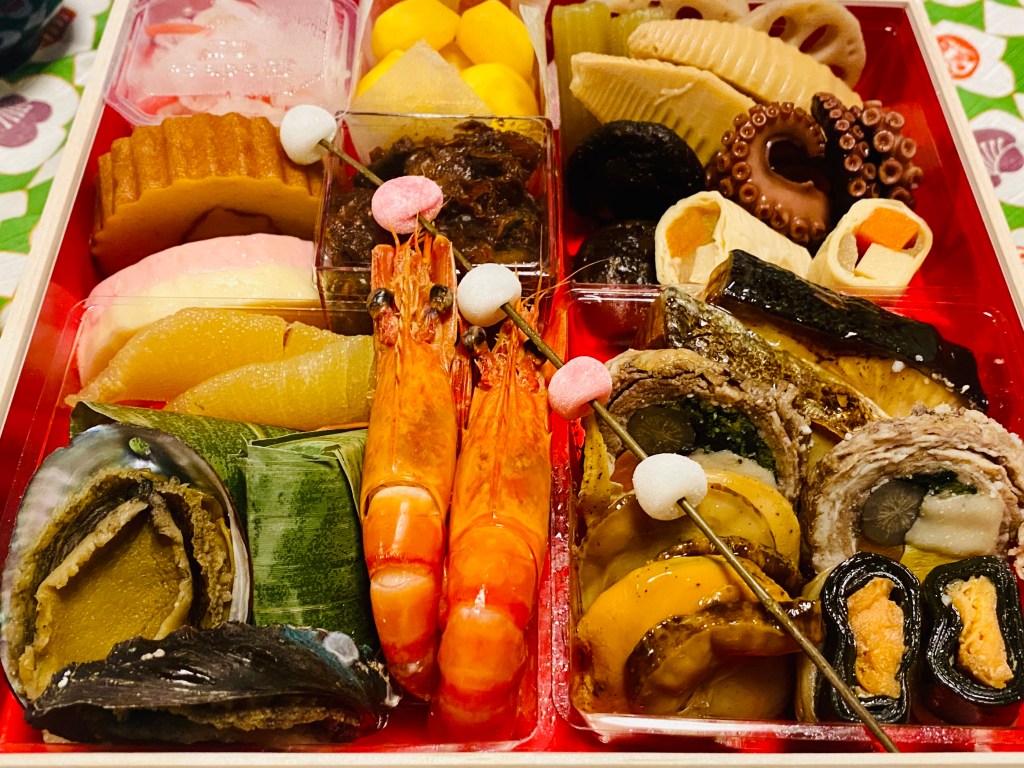
We just celebrated our first meal of the year, traditionally known as osechi ryōri in Japan.
What exactly is osechi ryōri?
Osechi ryōri is a collection of traditional dishes prepared specifically for Oshōgatsu, the Japanese New Year. Each dish is carefully chosen not only for taste but for meaning. Osechi is about wishes. Health. Longevity. Prosperity. Family continuity.
The food is arranged in layered boxes called jubako. Even the act of stacking has meaning. Happiness should accumulate. Good fortune should grow year after year.
Osechi is usually eaten over the first few days of January, starting on the morning of January 1st.
Where does this tradition come from?
The roots of osechi ryōri reach back to the Heian period, more than 1,000 years ago.
In ancient Japan, New Year marked the most important turning point of the year. It was believed that gods would visit households during this time. To welcome them, people prepared special foods as offerings.
There was also a practical reason. Cooking was avoided for the first few days of the new year. Kitchens rested. People rested. The kitchen deity was not disturbed. Families spent time together without daily labor.
Because of this, osechi dishes were designed to last several days without refrigeration. That is why many of them are simmered, sweetened, pickled, or dried.
What started as ritual food slowly became a household tradition passed down through generations.
Food with meaning, not just flavor
One of the most beautiful aspects of osechi is that nothing is random. Every item carries symbolism.
Black soybeans represent health and diligence.
Herring roe symbolizes prosperity and many descendants.
Shrimp stand for longevity, bending like the back of an old person.
Sweet rolled omelette resembles a scroll and represents learning and knowledge.
Candied sardines are linked to good harvests and abundance.
When you eat osechi, you are not only eating breakfast. You are consuming hopes that were shaped centuries ago.
Why eat osechi for breakfast?
The first meal of the year matters.
Eating osechi in the morning of New Year’s Day is a quiet way to step into the future. There is no rush. No cooking. Just opening the jubako, sharing food, and acknowledging that a new cycle has begun.
Often, osechi is accompanied by ozōni, a warm soup with mochi. Together, they create balance. Cold and preserved foods paired with something freshly prepared. Past and present meeting in a bowl.
It is a moment of gratitude before the year accelerates again.
Osechi today
Traditionally, families prepared osechi at home over several days. Today, many households order it from department stores, restaurants, or local chefs.
Some osechi remain strictly traditional. Others include modern or Western influences. Vegetarian versions exist. Even fusion osechi appears on New Year tables now.








 Experiences - Life - Inspiration 🇨🇭🇯🇵
Leave a comment