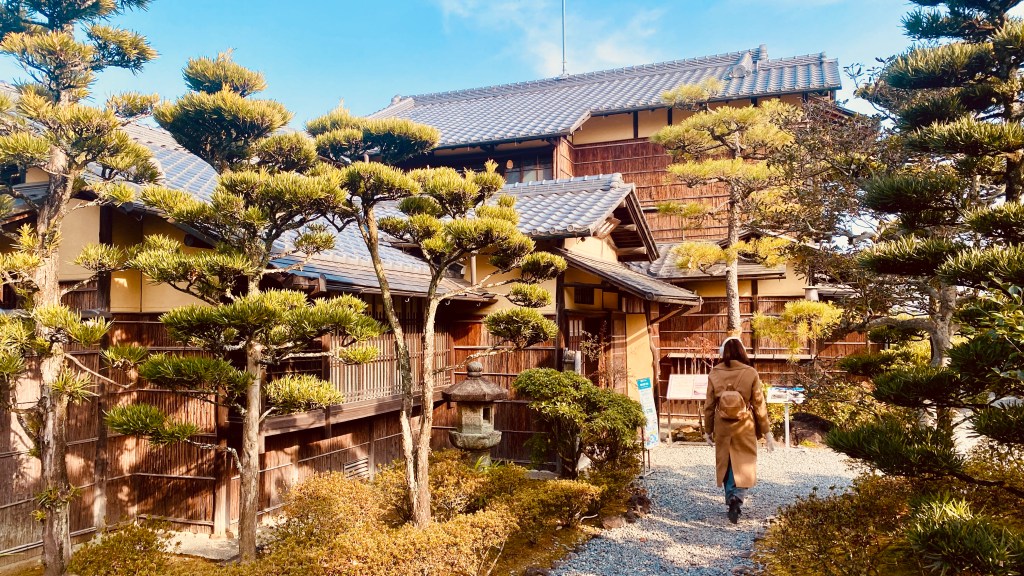
Yesterday, my wife and I visited Meiji Mura for the first time.
It was her suggestion. She had visited Meiji Mura more than thirty years ago as a child, when her parents took her there. She could not remember much from that visit anymore and wondered whether anything would return if she walked through the place again.
I did not know what to expect either.
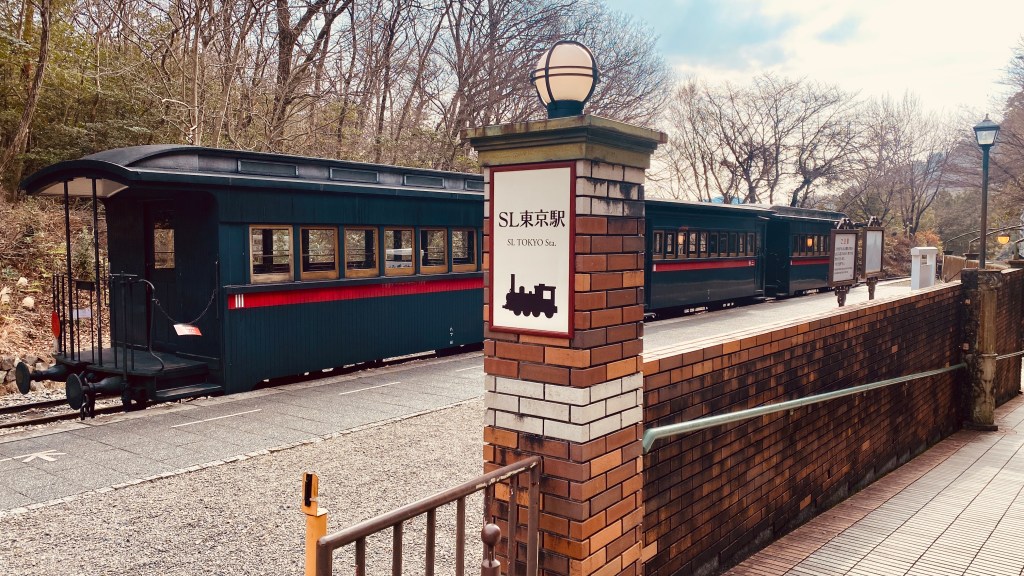
Meiji Mura opened in 1965, at a time when Japan was modernizing rapidly and many buildings from the Meiji period were disappearing. The idea behind the museum was simple but ambitious. Instead of letting these structures vanish, they were dismantled, transported from all over Japan, and reconstructed here. What remains today is an open air museum that preserves real buildings from a period when Japan was redefining itself.
Walking through the grounds, the character of the Meiji era becomes visible. Western style architecture stands next to traditional Japanese buildings. Brick, wood, glass, and tatami coexist in the same landscape. It is not a clean break between old and new, but a mixture.
Among the many buildings, one stood out.
It was the Japanese villa of Saionji Kinmochi, who served twice as Prime Minister of Japan. The villa, known as Zagyoso, was originally located in Okitsu, Shizuoka Prefecture and was relocated to Meiji Mura together with its garden.
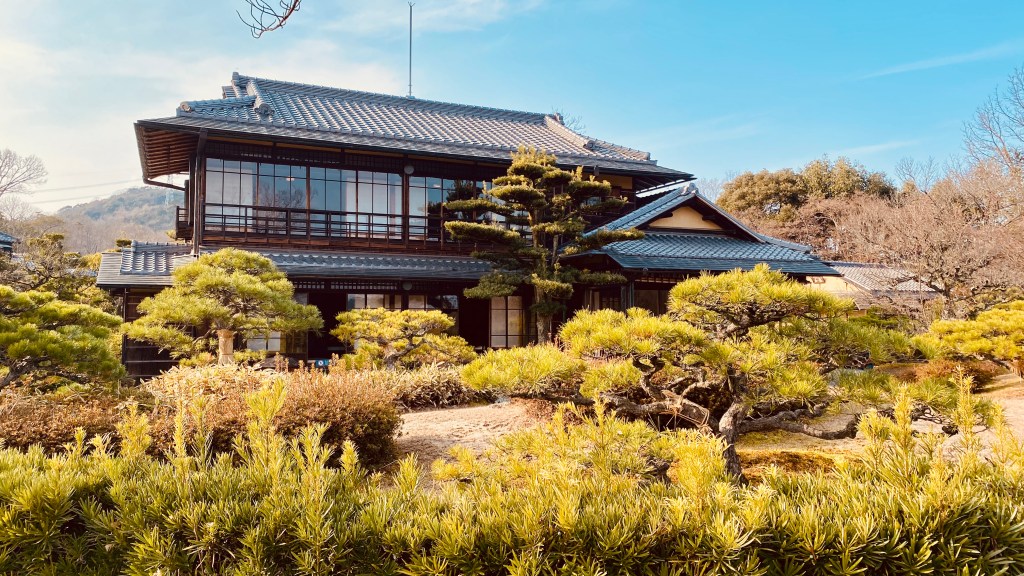
During a guided tour, attention was drawn to the second floor corridor. The wooden floor produces a sound when walked on. This type of construction, often referred to as a nightingale floor, is a traditional architectural feature that makes quiet movement difficult.
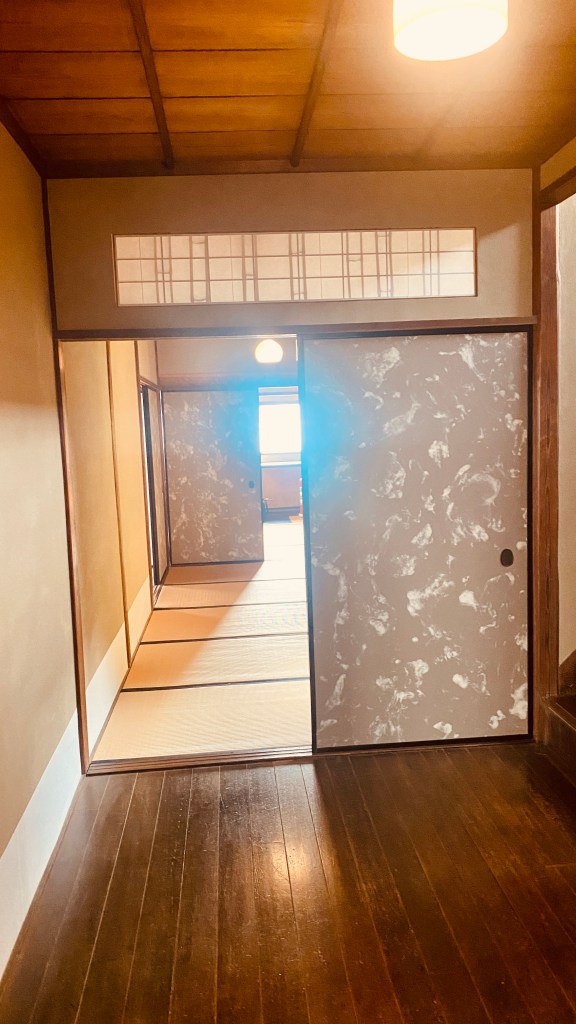
In a museum known for Western influenced buildings, this villa was the most distinctly Japanese. It relied on layout, material, and subtle design rather than visible measures.
Meiji Mura is not a place that explains history through panels alone. It allows history to remain physical. You walk through it, at your own pace, and notice what draws your attention.
Here is more about Meiji Mura if you are curious.


 Experiences - Life - Inspiration 🇨🇭🇯🇵
Leave a comment