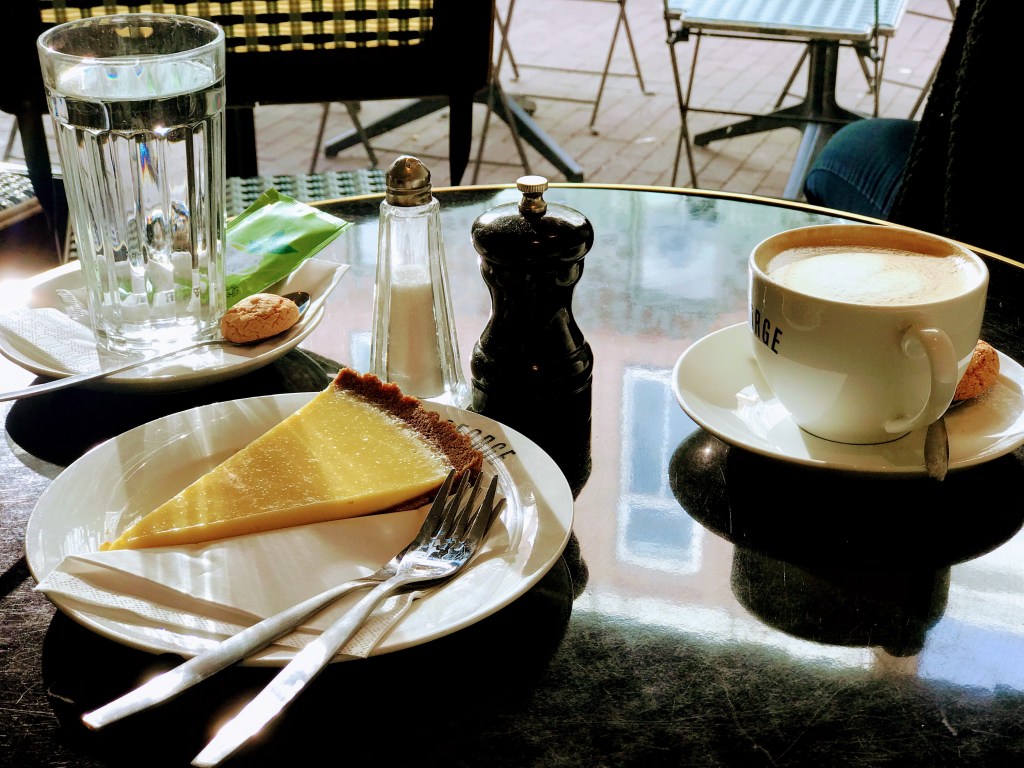
Japan has many small cultural spaces that most people never notice. Some of them sit quietly in back streets. Some hide behind simple signs that you would overlook if you were not paying attention. Listening cafés belong to this world. The idea sounds almost too simple at first. You pay someone to listen. Nothing more.
There is no therapy and no attempt to fix anything. The listener does not analyse your life or guide you through some structured process. Their role is to sit with you, give you their full attention and let your thoughts unfold naturally. It is conversation without pressure. It is a gentle space where you can speak freely without worrying about judgement or misunderstanding.
To understand why listening cafés exist, it helps to look at the communication style in Japan. Emotional expression here is often subtle. People are careful not to place their worries on others. Harmony is important, and many will keep their struggles quiet rather than disrupt the flow around them. This creates a culture where feelings can stay unspoken for long periods of time, even when the need to talk is there.
A listening café softens that restraint. It offers a place where you no longer have to hold everything in. You can talk at your own pace, without needing to be careful with every sentence. The listener stays present without interrupting or rushing you. They follow your rhythm and let your thoughts move wherever they need to go. The simplicity of the space makes it easier to open up, especially for those who rarely have the chance to express their inner world.
These cafés are usually very ordinary on the surface. Many look like small rooms with warm lighting and a few chairs. There is nothing dramatic about them. The atmosphere is intentionally soft. It allows people to settle into the moment and speak honestly. The person listening is trained in gentle communication and knows how to remain fully present. They understand that sometimes we find clarity simply by saying things out loud in a safe place.
You can usually recognise a listening café by how understated it is. Most of them sit quietly in small side streets with simple signs that say little more than We listen or Talk Space. There are no bright lights or loud decorations. Inside you often find warm light, a few chairs and a calm atmosphere that feels more like a small study room than a café. The pricing is based on time rather than drinks, and the person listening sits with a quiet presence that makes the whole place feel safe to open up.
What makes listening cafés meaningful is not their uniqueness but their simplicity. They acknowledge something very human. Sometimes we do not need advice or solutions. We just need someone who will hear us without trying to reshape our thoughts. In a society where people often communicate through subtle cues and quiet expressions, having a space like this can bring balance.
This is another small layer of Japan that many people never see. It shows how deeply people value emotional connection, even when they express it softly. The next entry in my curiosity series will explore another quiet corner of life in Japan and the human stories that shape it.





 Experiences - Life - Inspiration 🇨🇭🇯🇵
Leave a comment