
Yesterday was Culture Day in Japan — a national holiday that celebrates art, learning, and innovation. Many museums across the country open their doors for free, inviting everyone to experience Japan’s cultural and scientific treasures.
Since the Kakamigahara Aerospace Science Museum is only about 20 minutes drive from our doorstep, my wife and I decided to visit on a whim. We thought it would simply be a pleasant afternoon outing — but what we discovered was far more meaningful than expected.
At first, I imagined it would be a small local museum — a few planes, some exhibits, maybe a simulator or two. But as we moved through the galleries, we realized that Kakamigahara wasn’t just another city with an airfield. It was actually the birthplace of Japanese aviation.
Back in the early 1900s, when Japan was just beginning to dream of flight, Kakamigahara’s wide open plains, gentle winds, and stable weather made it the perfect testing ground. Around 1917, Japan’s first official airfield was established here. Engineers and pilots began experimenting with new designs, marking the beginning of the country’s aviation era.
Over time, that original airfield evolved into today’s Gifu Air Field, now operated by the Japan Air Self-Defense Force (JASDF). Standing inside the museum, it was easy to imagine how the same skies once filled with the hum of early wooden aircraft now carry the sound of modern jets.
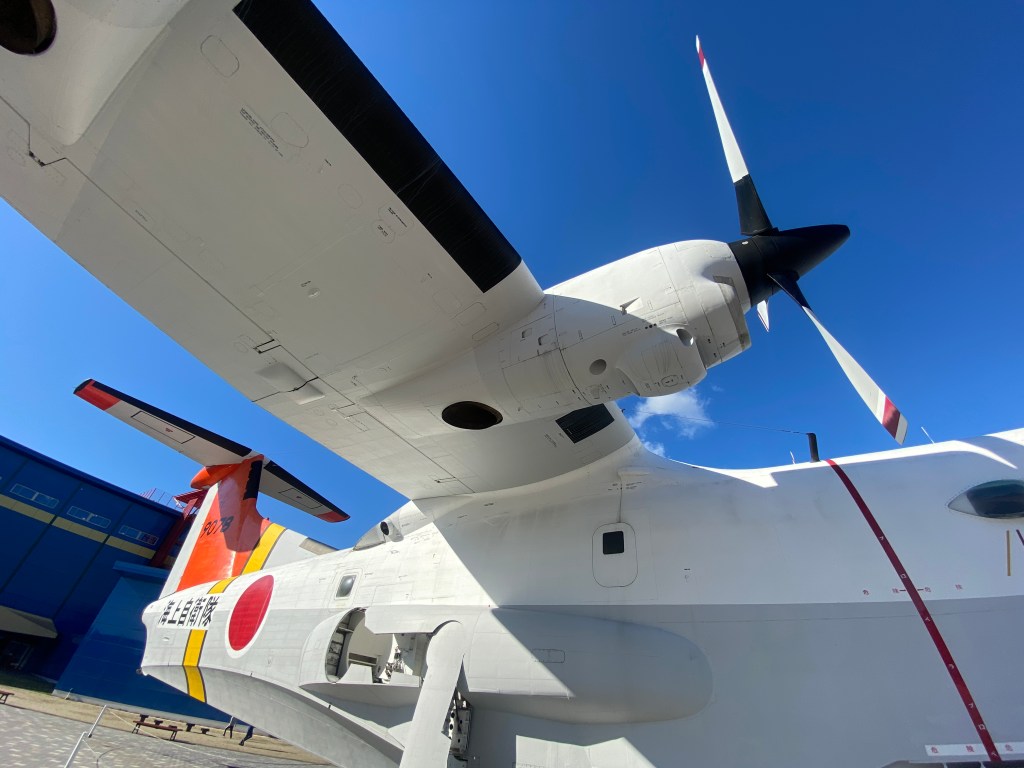
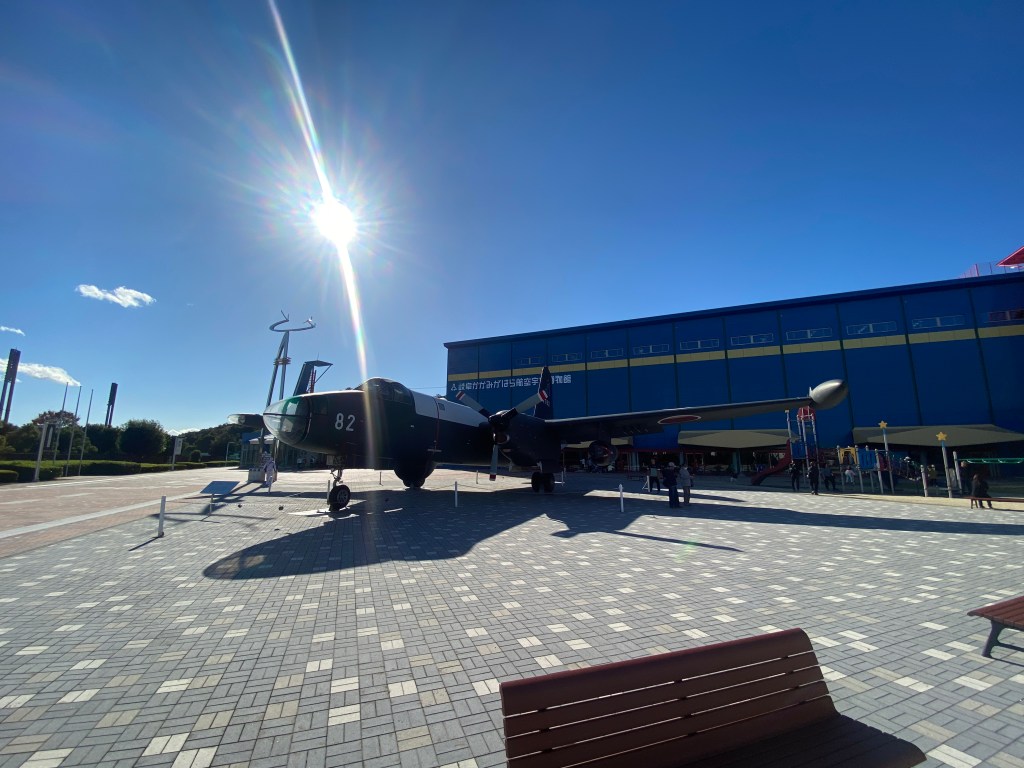
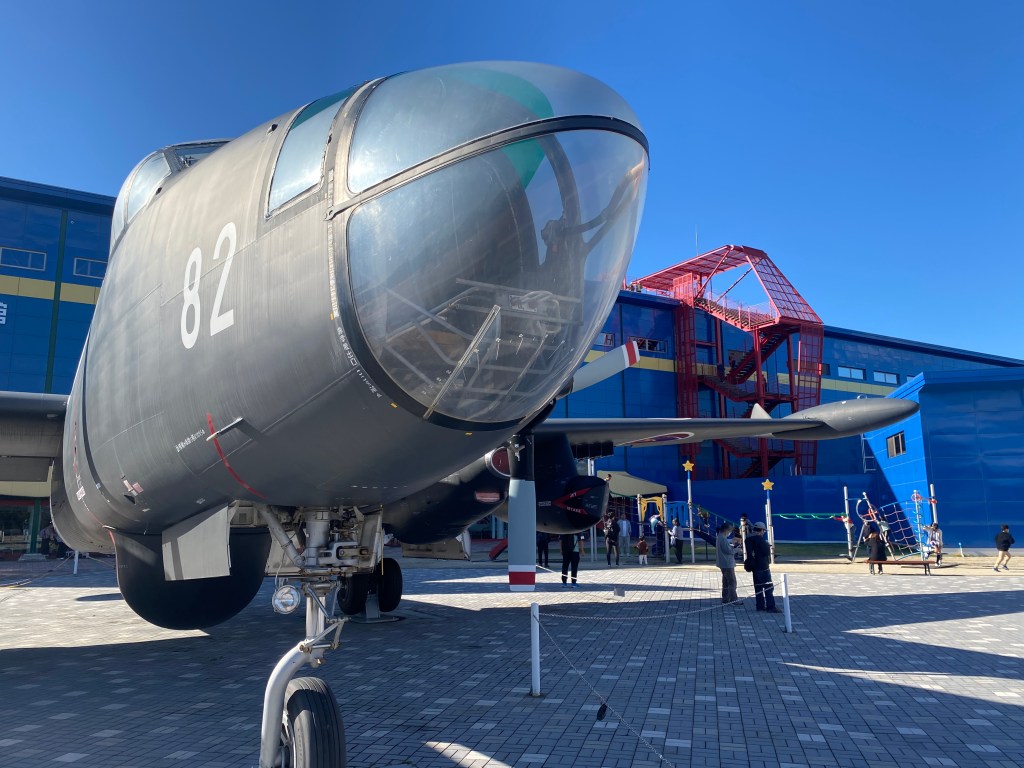
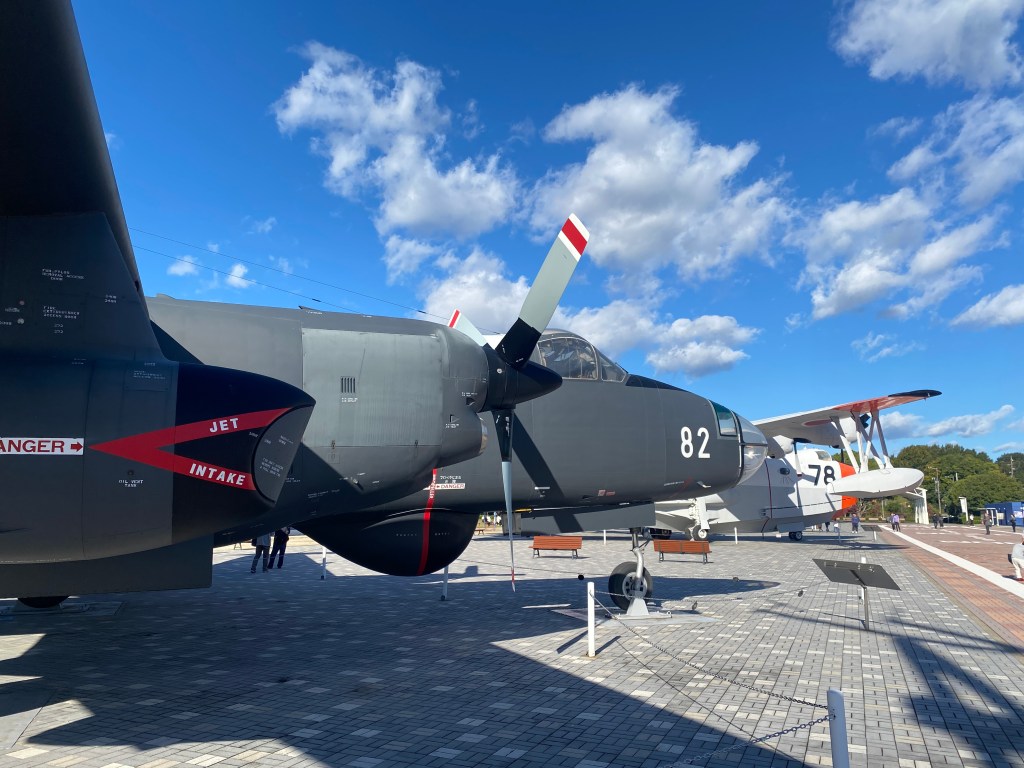
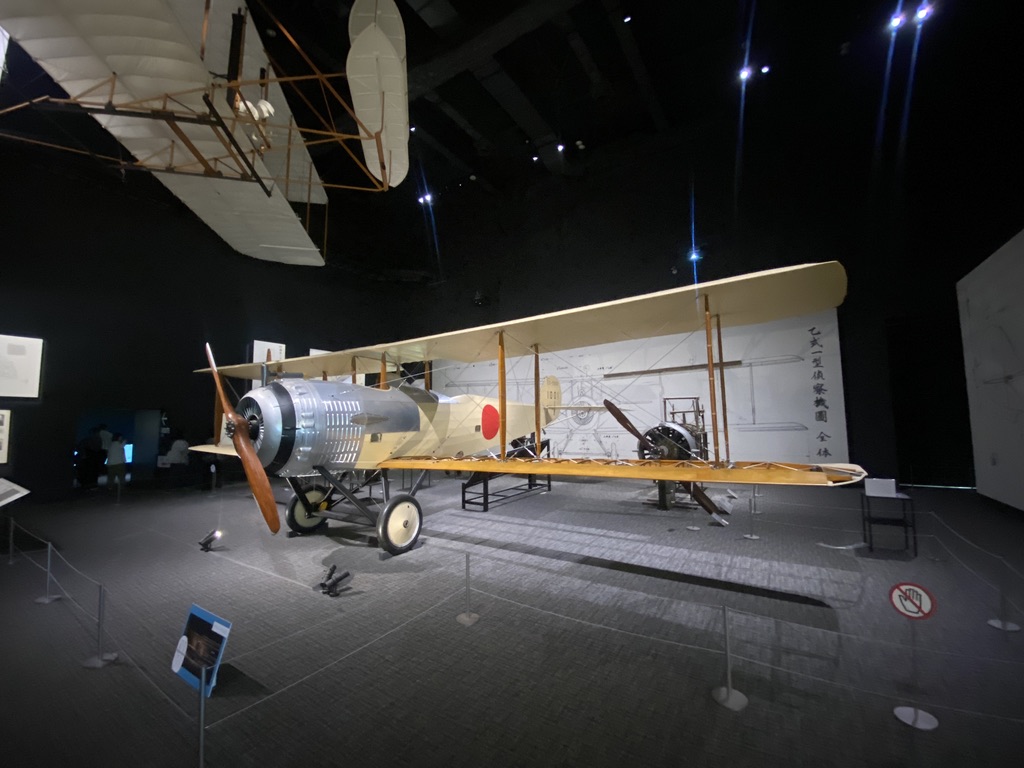
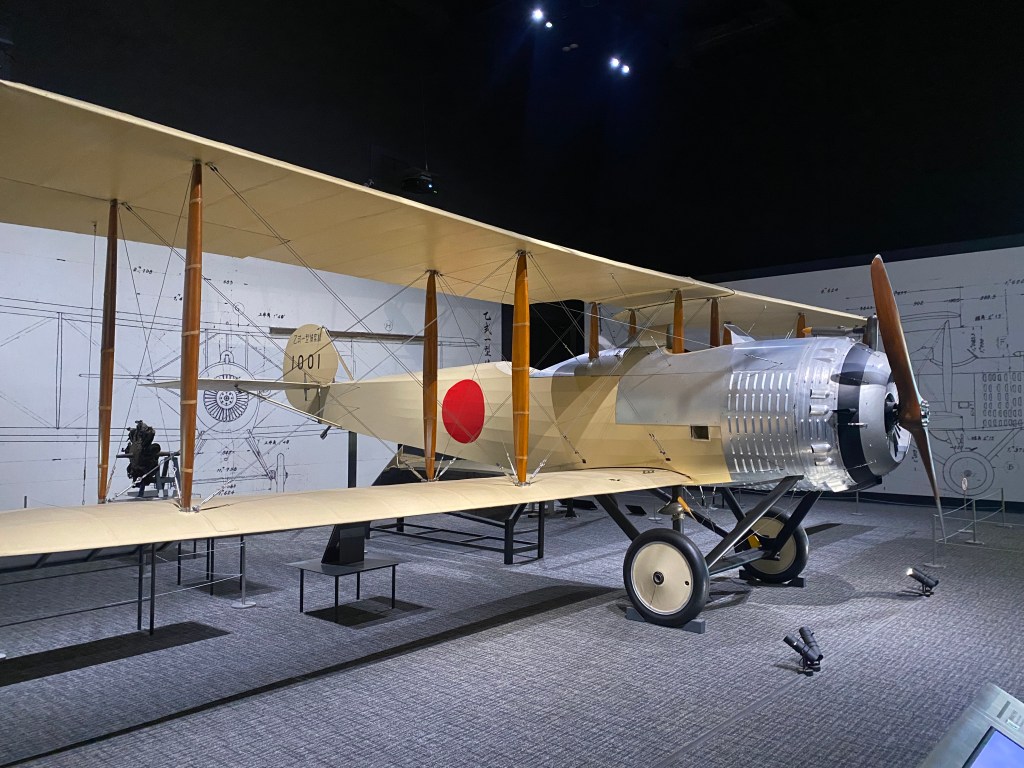
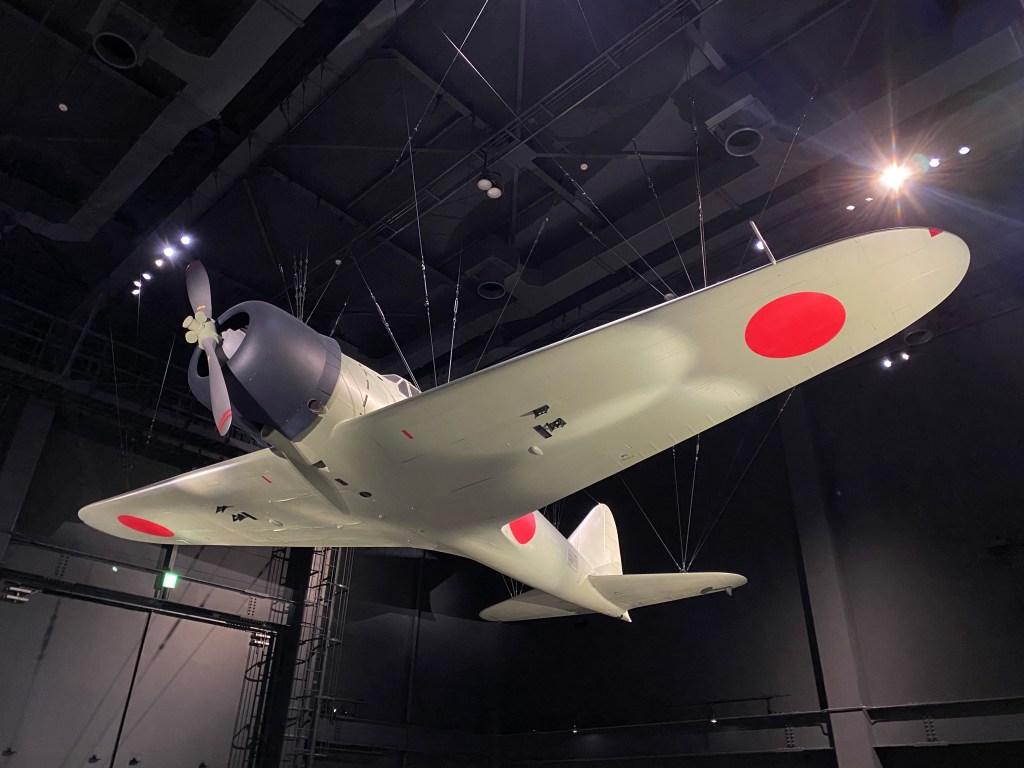
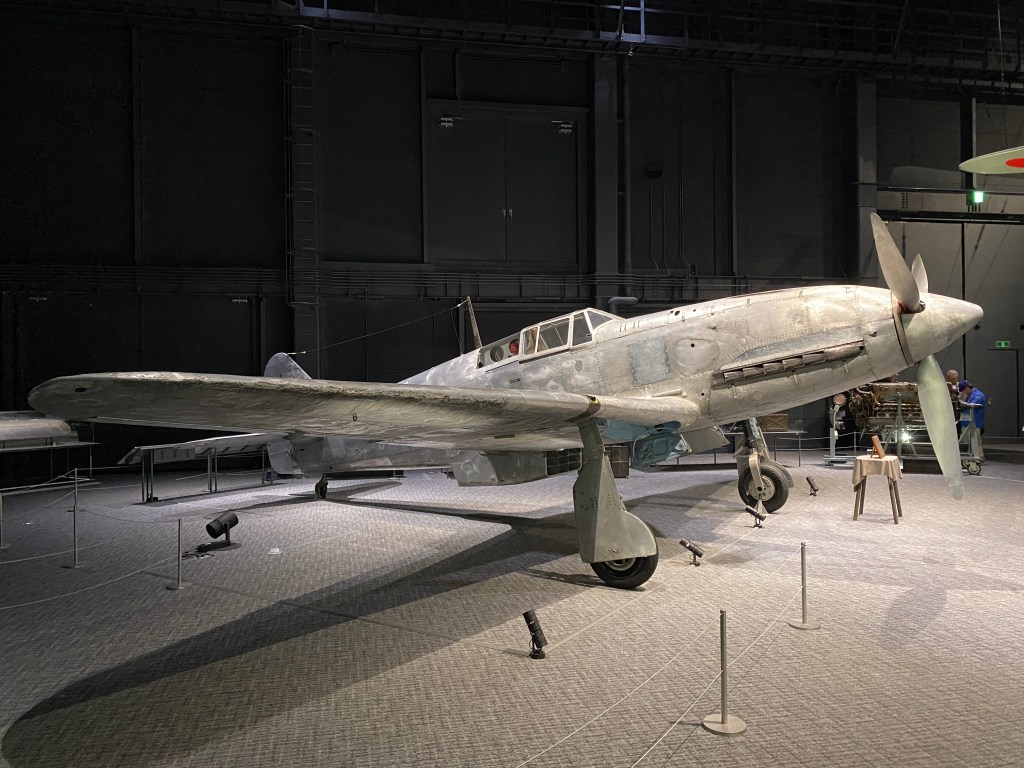
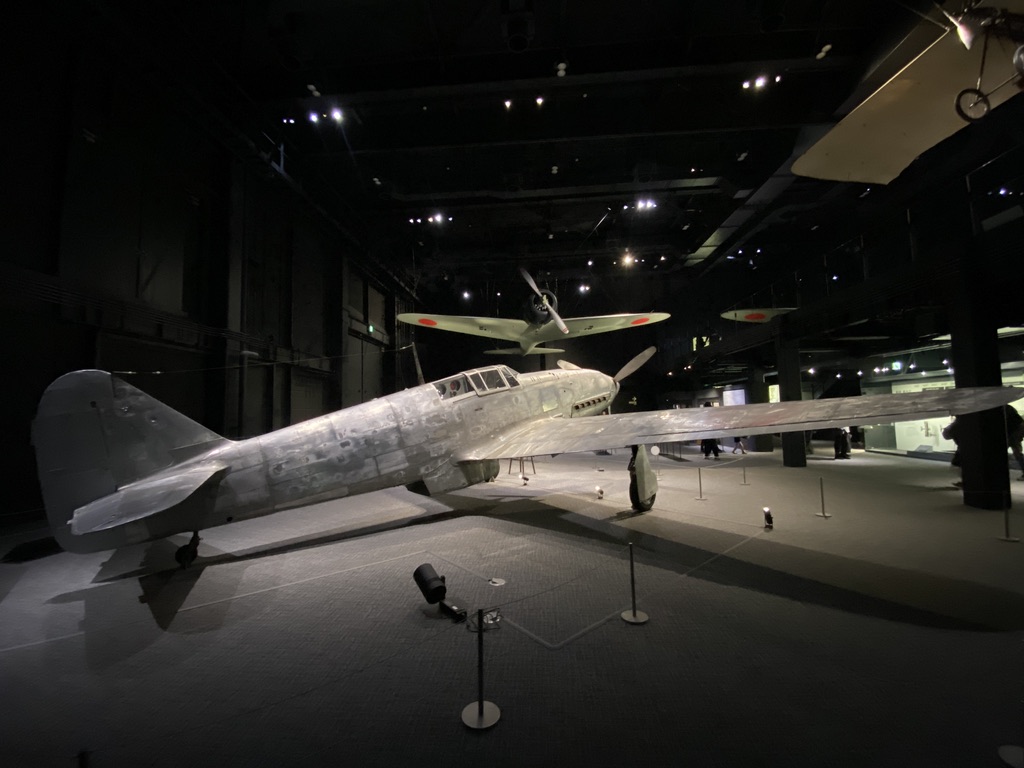
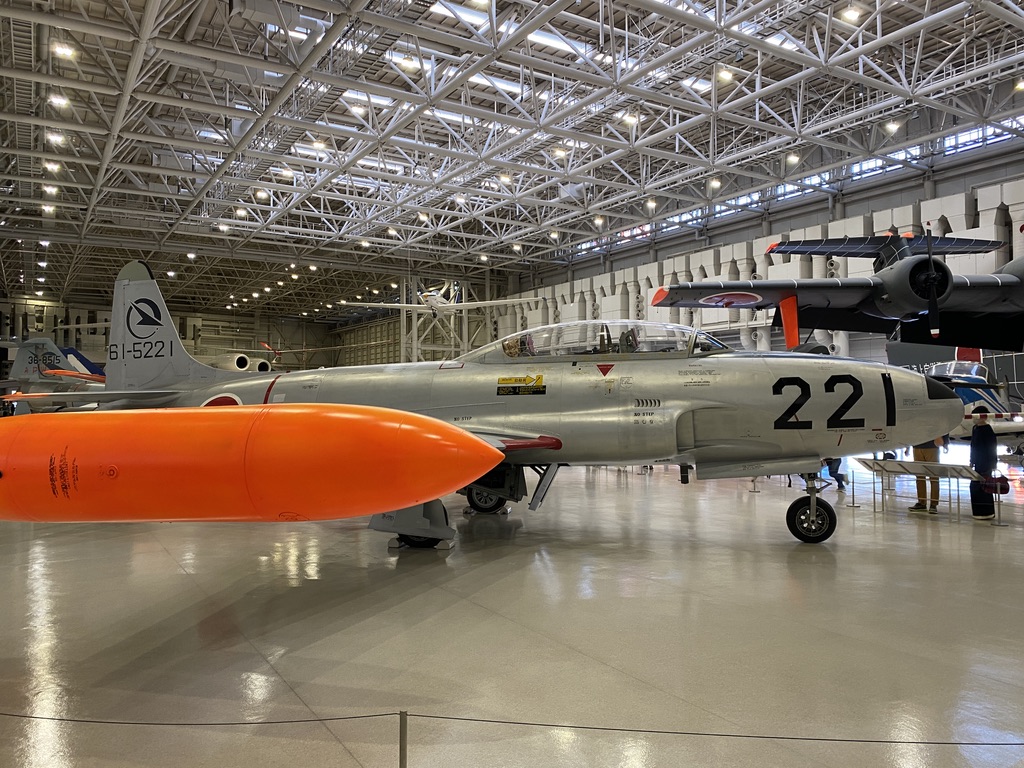
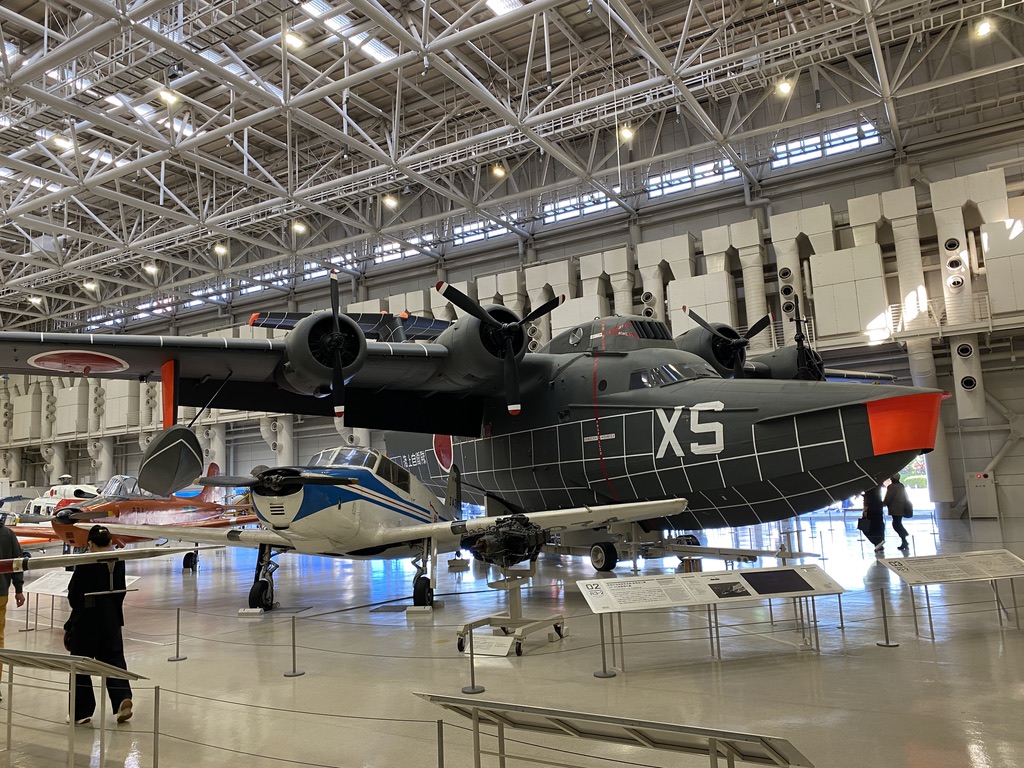
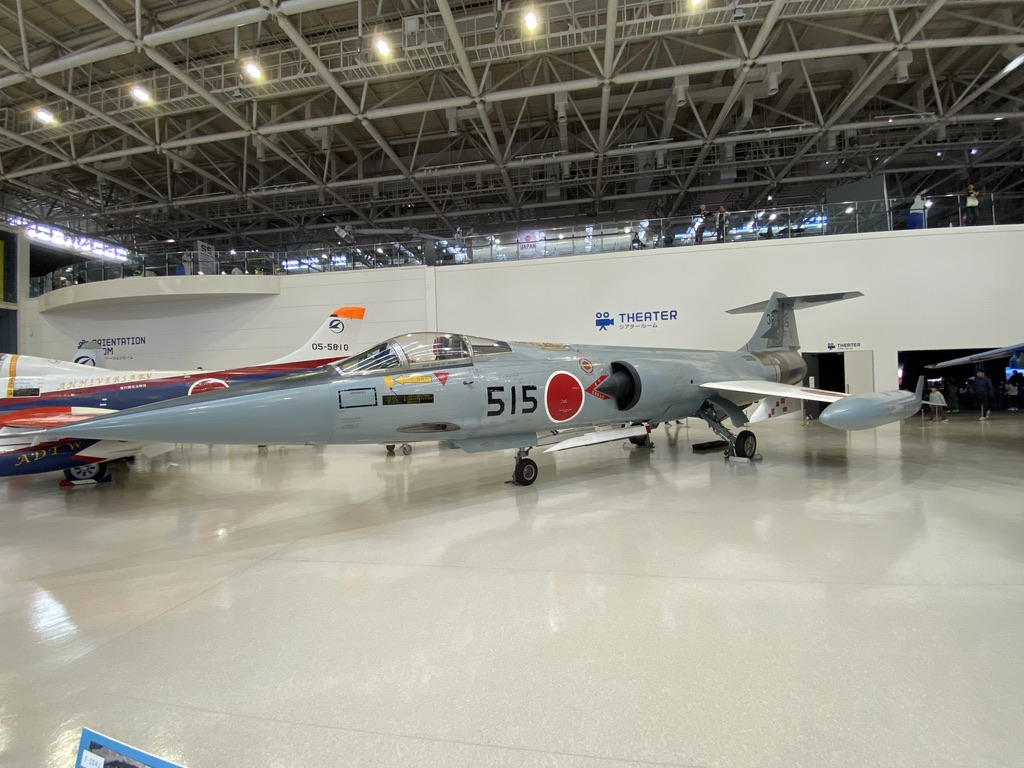
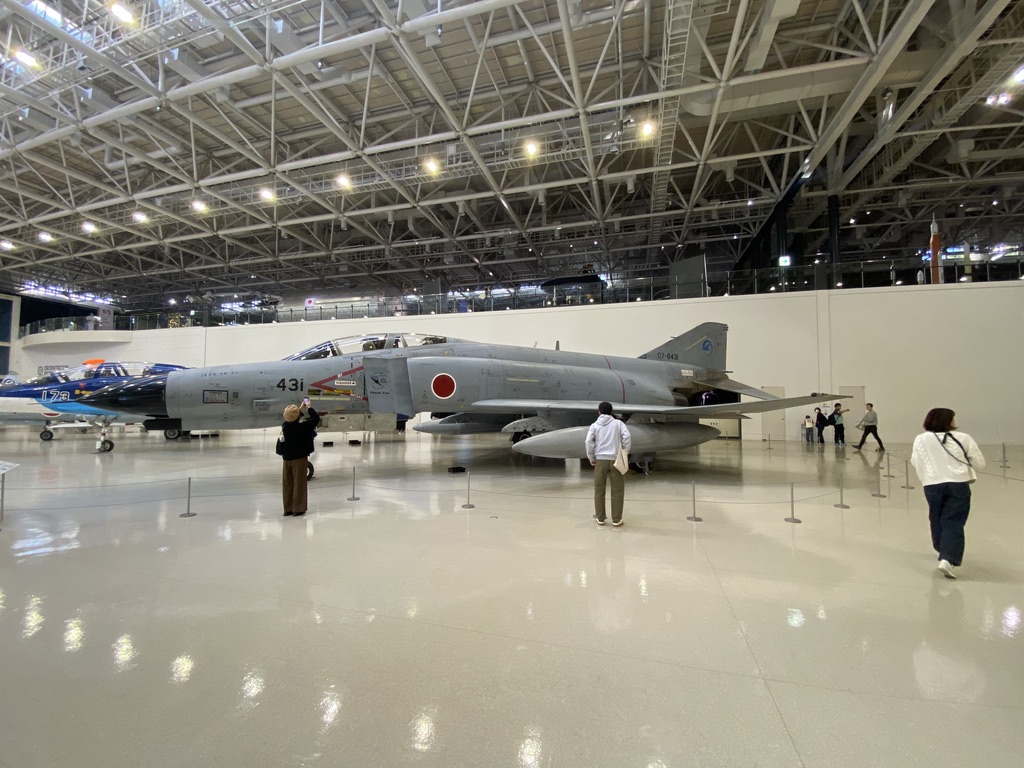
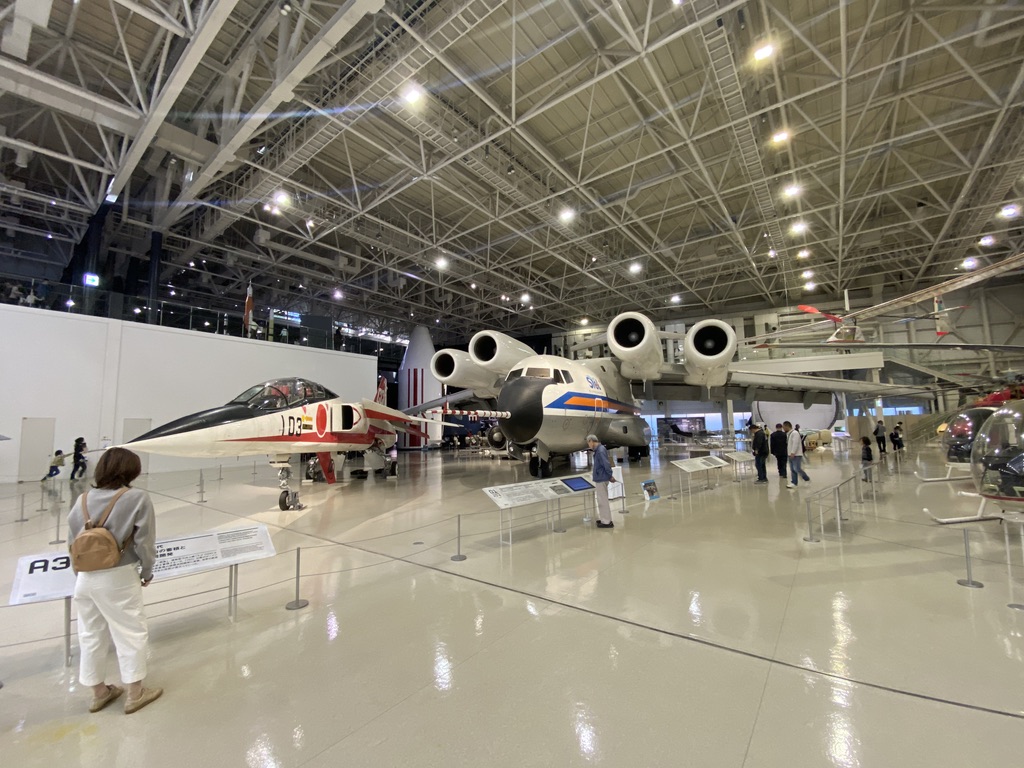
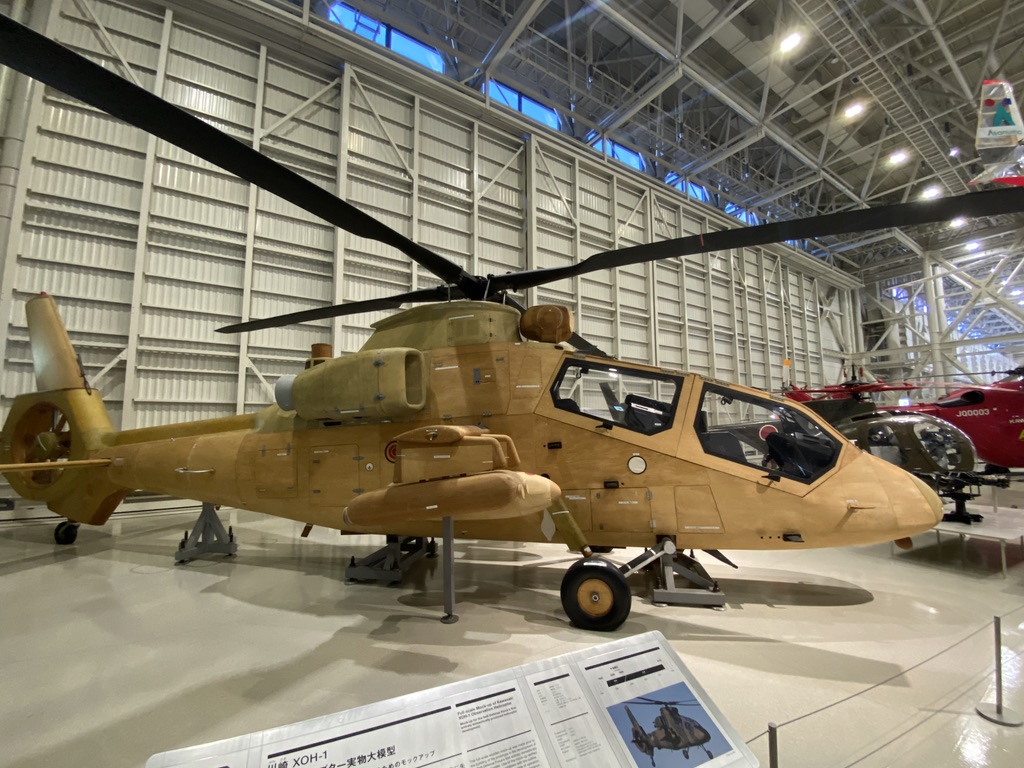
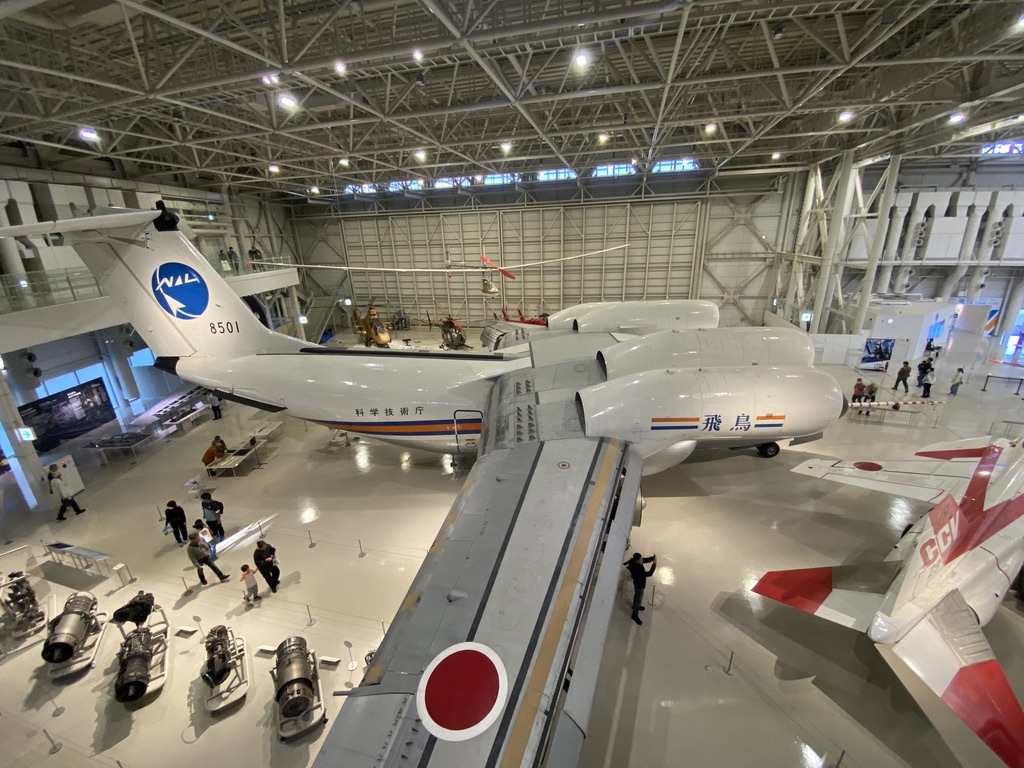
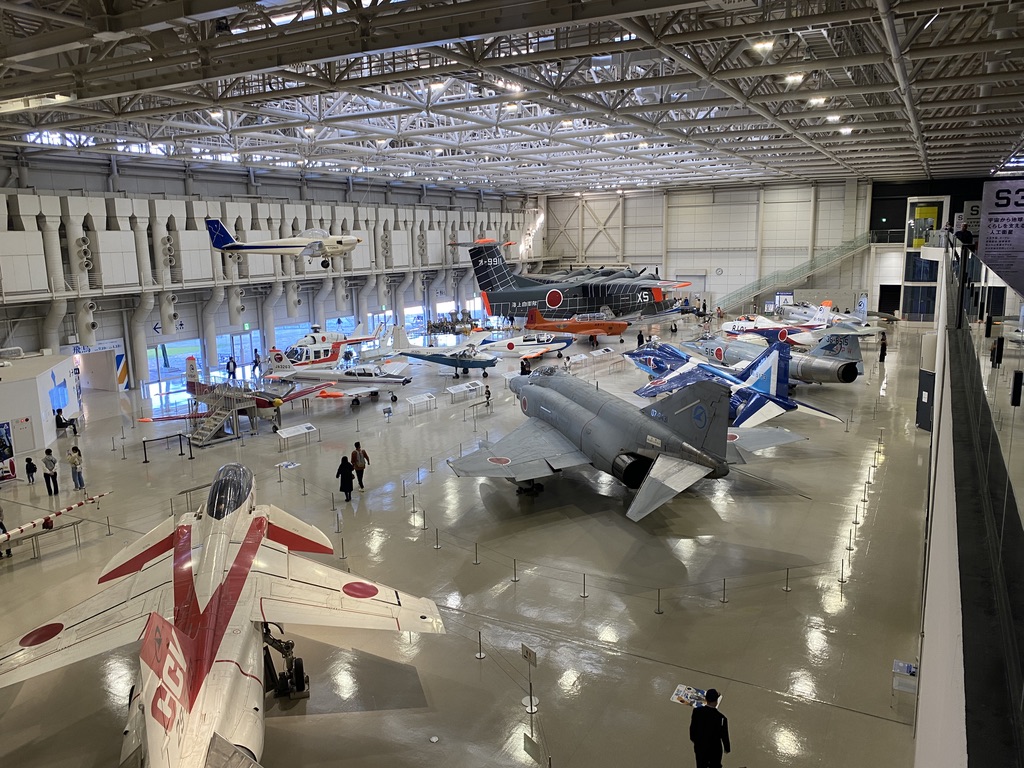
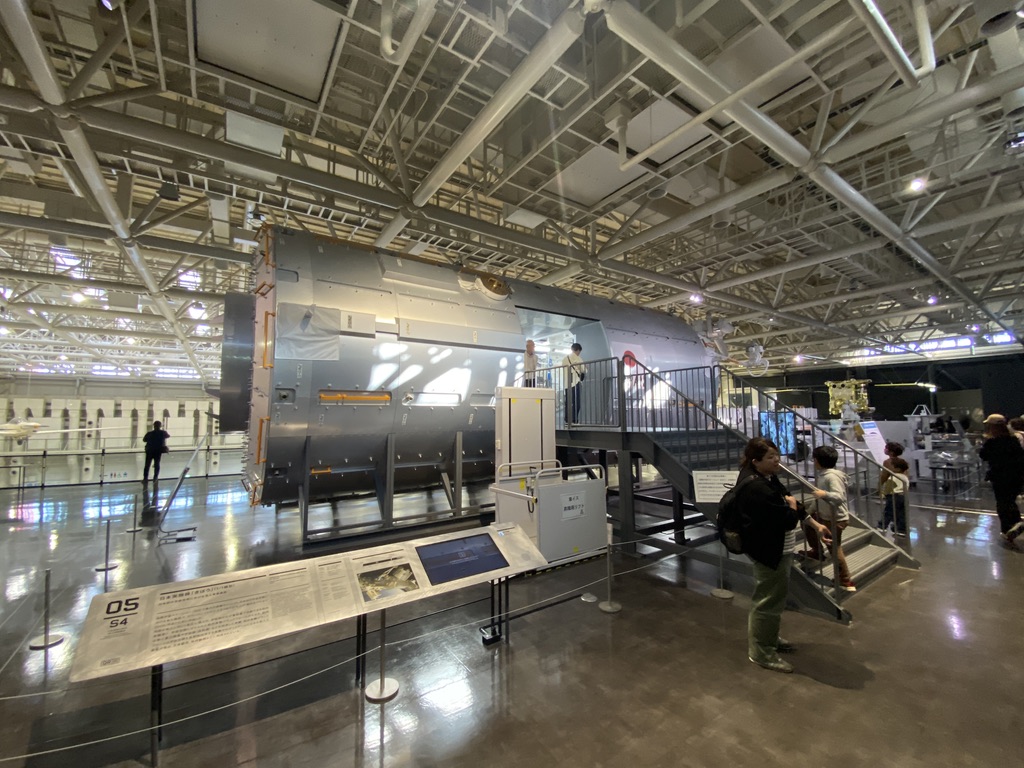
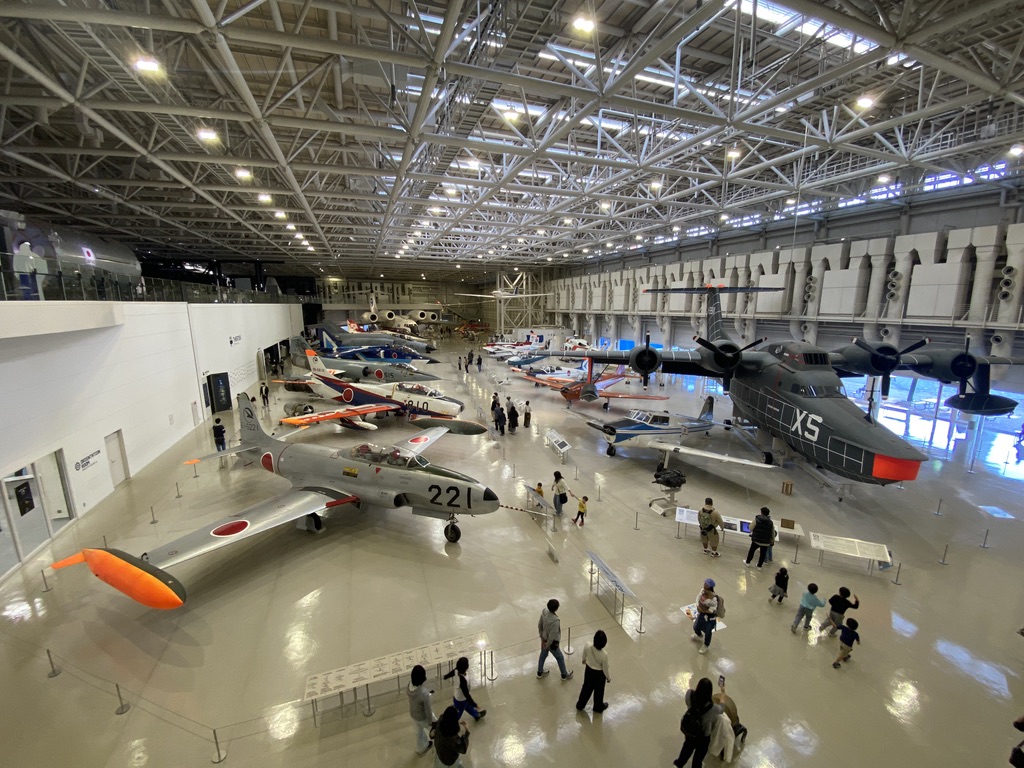
The museum captures this evolution beautifully. We explored replicas of early aircraft, historic photographs, and real fighter jets suspended dramatically from the ceiling. Exhibits on space exploration, JAXA rockets, and interactive flight simulators made the visit even more engaging.
It’s a place that blends nostalgia with innovation — reminding visitors how far human curiosity and perseverance can go. More than the machines themselves, it’s the stories behind them that stay with you: the courage of those who dared to fly before anyone else knew how.
Visiting on Culture Day made the experience extra special. Families, students, and older couples wandered through the exhibits with the same look of quiet wonder. And the best part — admission was free.
If you’re ever in Japan on November 3rd, it’s worth remembering that many museums across the country offer free entry on Culture Day. It’s a perfect opportunity to discover something new, whether it’s art, history, or — as we found — a forgotten piece of Japan’s aviation story.
As we walked through the hangar-like halls filled with aircraft, I was reminded of my childhood in Switzerland — of visiting the Verkehrshaus (Swiss Museum of Transport) in Luzern with my dad. I still remember standing in awe, looking up at airplanes and trains, feeling that same spark of curiosity and wonder.
That memory came rushing back in Kakamigahara. The feeling was familiar — that blend of fascination, nostalgia, and gratitude for how far we’ve come, both as people and as humanity constantly reaching for the sky.
Kakamigahara Aerospace Science Museum (かかみがはら航空宇宙科学博物館)
📍 Address: 5 Chome-1 Shimogiri-cho, Kakamigahara, Gifu 504-0924, Japan
🕓 Opening Hours: 10:00 AM – 5:00 PM (closed on Tuesdays, except public holidays)
🎟️ Tip: On Culture Day (November 3rd) and other special occasions, admission is often free.
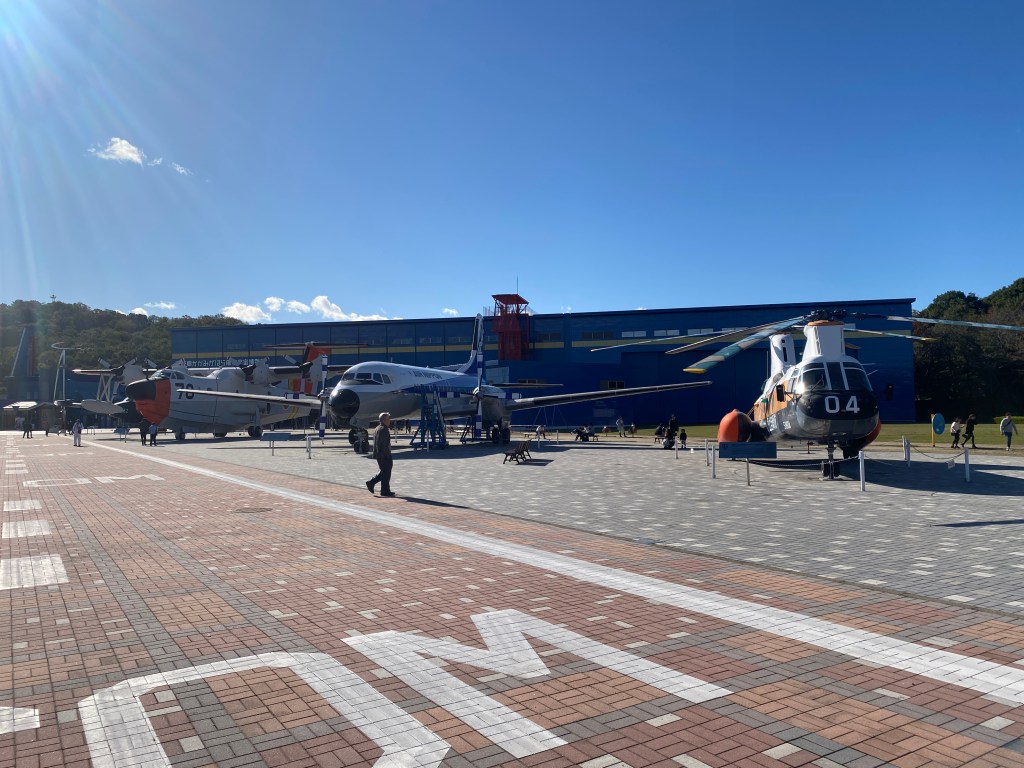
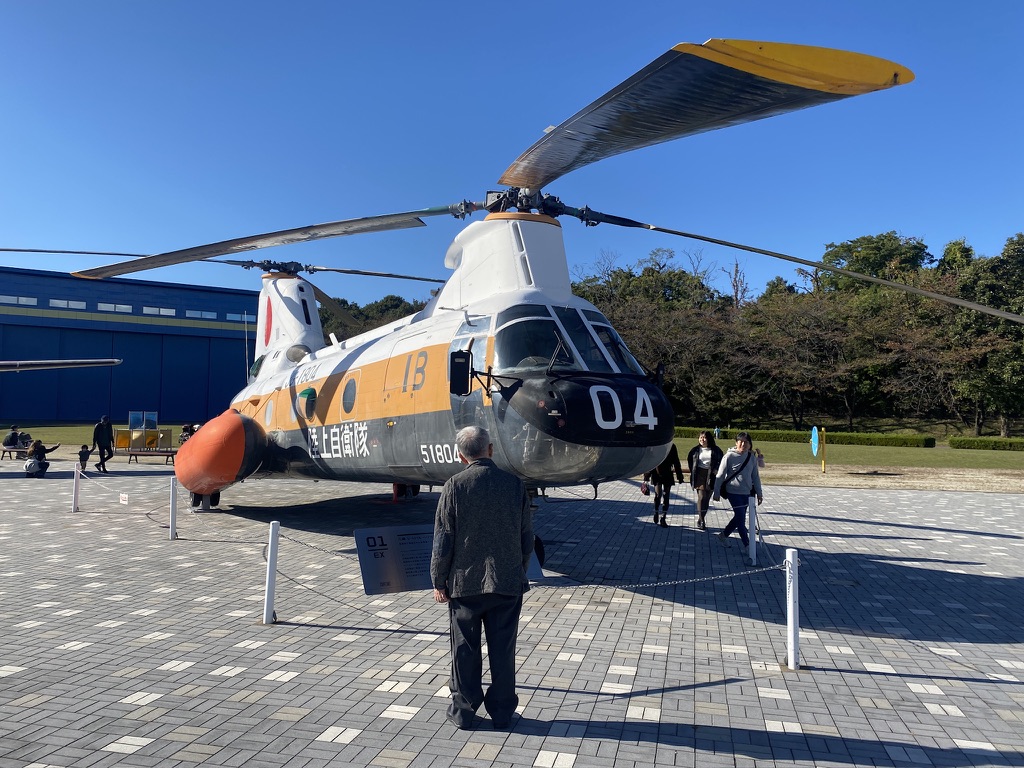
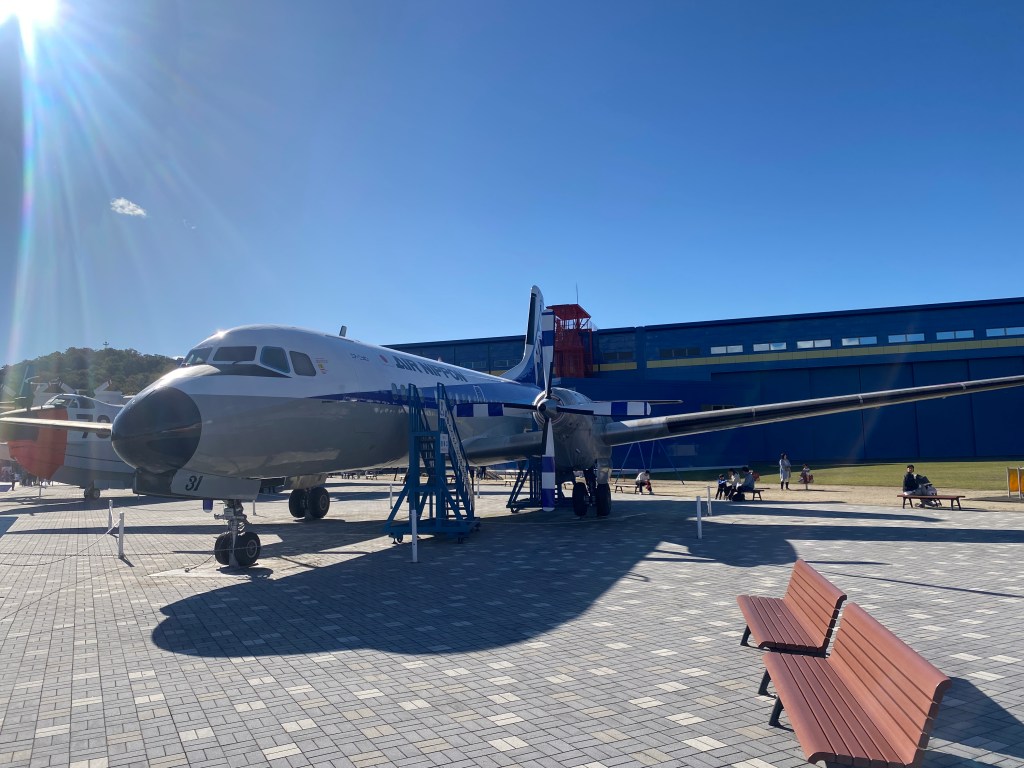
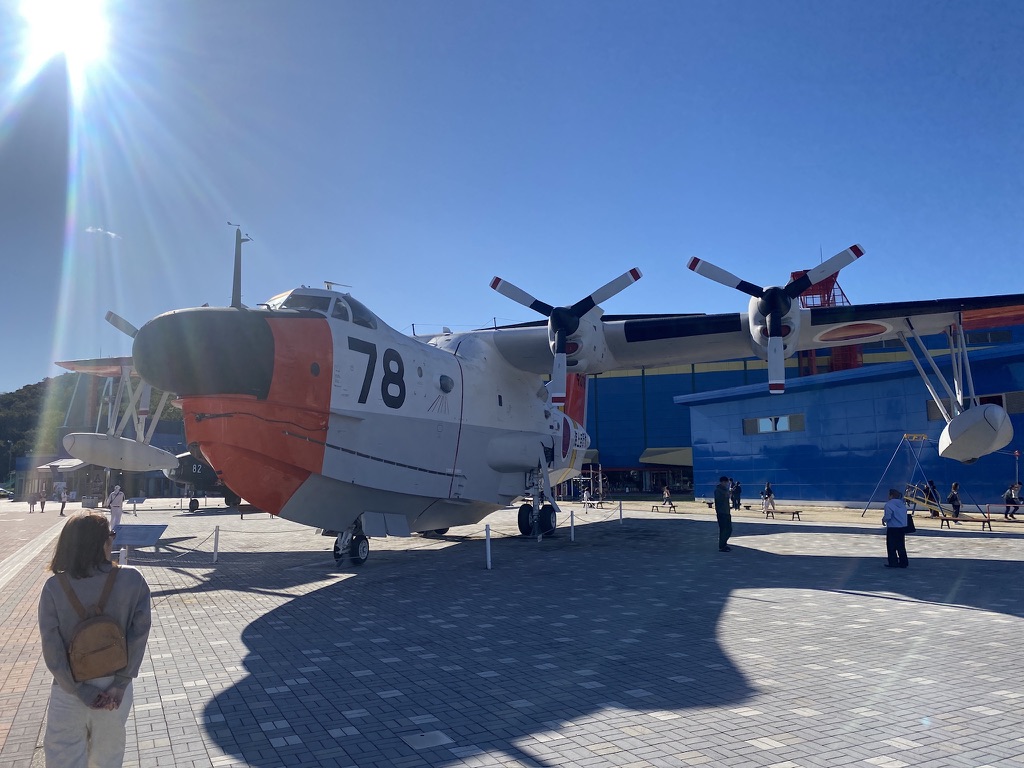





 Experiences - Life - Inspiration 🇨🇭🇯🇵
Leave a comment