
I didn’t expect to fall in love again. Gujo Hachiman and Takayama already had me charmed, but this autumn day a new romance unfolded in Okuhida Valley and Hida Furokawa.
It was the first time my wife and I explored the Hida region together. From a distance, Gifu Prefecture looks compact, but up close it folds like origami into valleys and ridges. Our drive wound through tunnels and mountain passes that now shorten journeys which once took the better part of a day. Even so, the slower roads that follow rivers and forests offer a timeless view of the landscape.
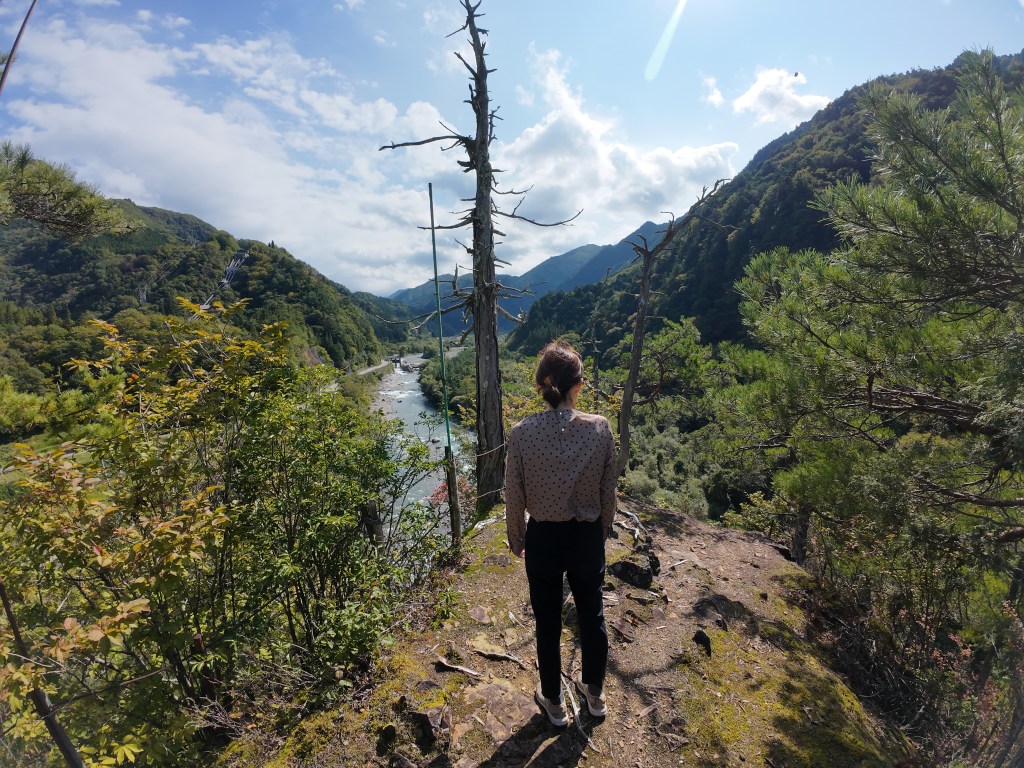
Okuhida Valley surprised me most. Nestled in Japan’s Northern Alps, the Gamada River’s rocky curves could have been the Maggia in Ticino, and the surrounding peaks echoed the silhouette of Davos. The difference was the steam: natural hot springs are everywhere here, and soaking in their mineral‑rich water while gazing at pine‑covered slopes felt both foreign and oddly familiar.
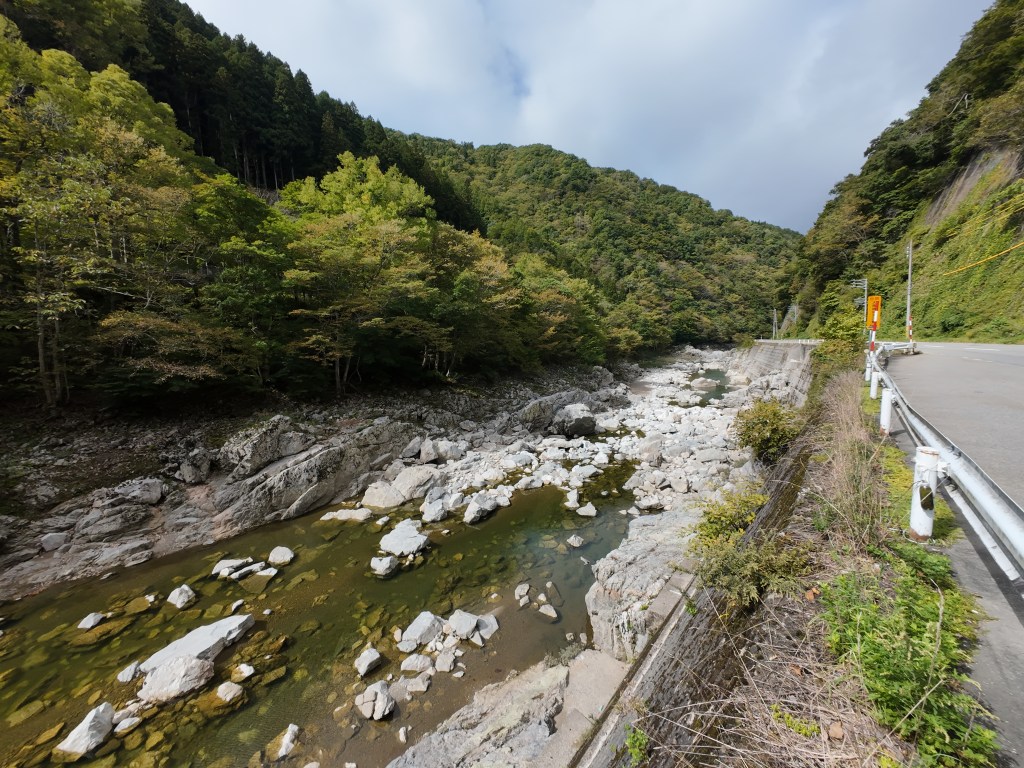
Not everything mirrored Switzerland. Back home, cows graze on hillsides, their bells echoing through the valleys. Here I looked for cattle and saw none. Hida cows are raised for beef and kept out of sight, so the mountains are quiet and empty of herds.
After Okuhida we wandered through Hida Furokawa. It feels like a quieter blend of Takayama and Gujo Hachiman, with canal‑lined streets and dark wooden houses that glow in the autumn light. You have to stroll its lanes to understand its easy grace.

On our way home we detoured to Tanekura, a mountain hamlet near Shirakawago. People there still work the forests and fields as their ancestors did. The chalet‑style houses and stacked wood reminded me of remote Swiss villages I knew as a child. The only things missing were the cows and their bells.

Maybe that’s why the Hida mountains captivated me so deeply. They are foreign and familiar, new and nostalgic. In their landscape I found echoes of Switzerland woven into Japan’s own beauty, and that unexpected sense of belonging made this journey unforgettable.



 Experiences - Life - Inspiration 🇨🇭🇯🇵
Leave a comment