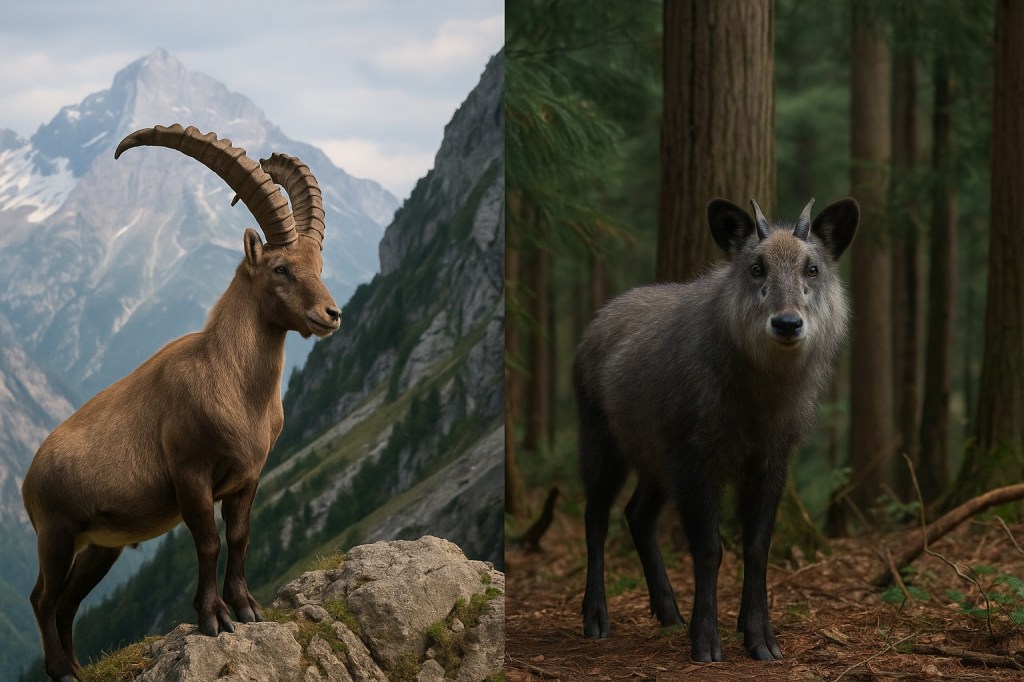
Back in Switzerland, I grew up in Basel. It’s not exactly the Alps, more the gentle flatlands near the Rhine. And maybe that’s why, during my childhood, I never really paid attention to mountain animals. The ibex, the chamois, the marmot — they were creatures from postcards or documentaries, not something I ever saw with my own eyes. They belonged to another Switzerland, the high peaks and alpine meadows I rarely visited.
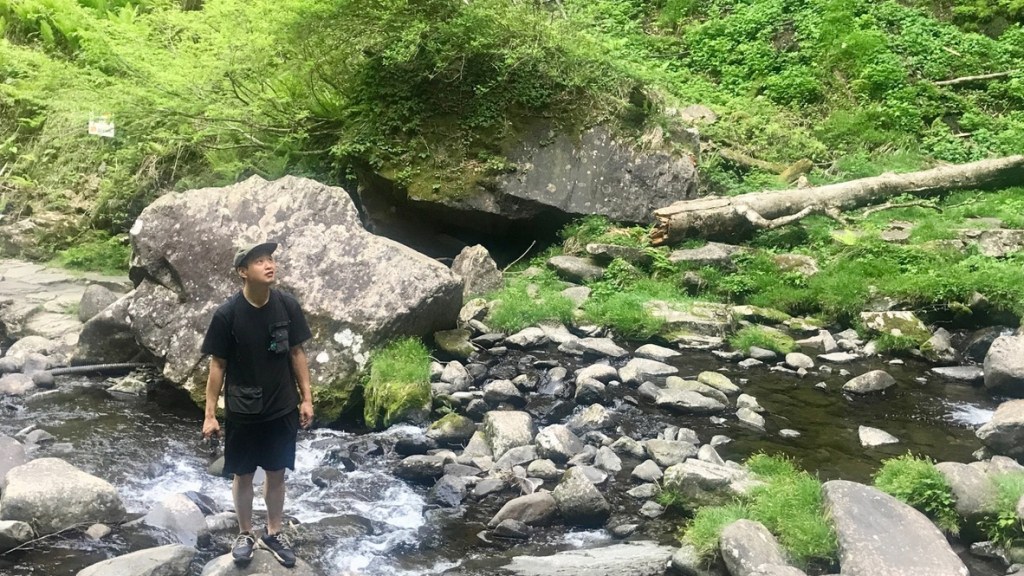
Life shifted when I moved to Japan. Here in Gifu, the mountains are part of my daily horizon, and the forest paths have become a second home. Hiking regularly, I started meeting the animals that live here. Not behind glass or in books, but face to face and with binoculars — sometimes unexpectedly. And suddenly, the world of mountain wildlife became very real.
The Swiss Peaks
In Switzerland, the Alpine Ibex (Capra ibex, Swiss German: Steinbock) is king of the cliffs. With its massive curved horns and almost impossible balance, it looks like a guardian of the Alps. Once nearly hunted to extinction, it was reintroduced and now thrives again — a symbol of resilience.
Then there’s the Chamois (Rupicapra rupicapra, Swiss German: Gäms). Sleek, quick, and agile, they seem to flow across rocky slopes where even the most experienced hiker would hesitate. They’re the embodiment of freedom in the high mountains.
And of course, the Marmot (Marmota marmota, Swiss German: Murmeli). Their whistles cut through the alpine silence, a reminder that community is their strength. Whole families huddle underground to survive the winter. As kids, we often joked about Murmeli without realizing how essential they are to alpine life.
The Japanese Slopes
Here in Japan, the mountains have their own iconic characters. The one I encountered the serow (カモシカ kamoshika). This goat-antelope feels like Japan’s quiet answer to the ibex. They appear suddenly in the trees, standing perfectly still, watching. Almost ghostlike — as if the forest itself grew eyes.
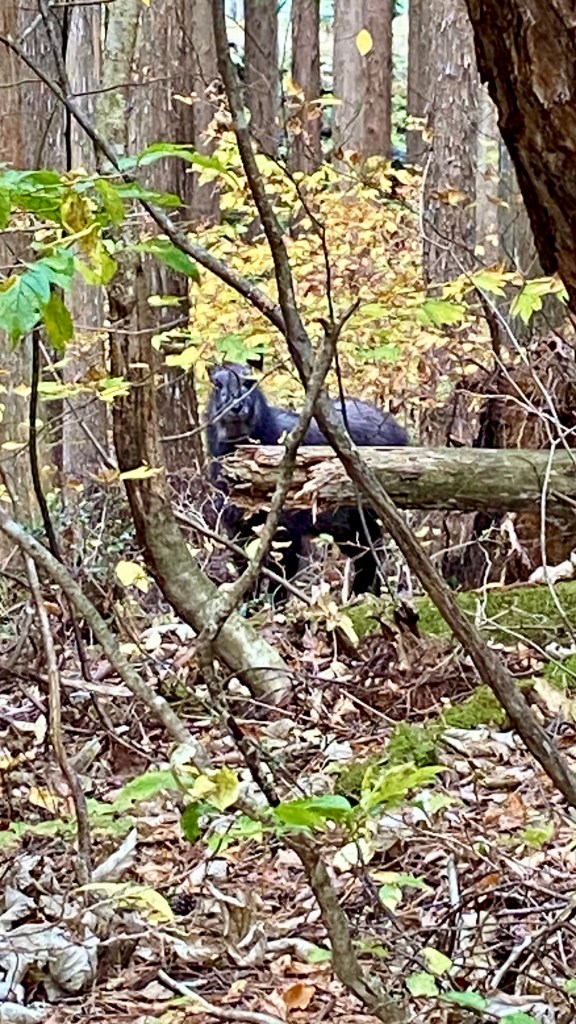
Then there are the monkeys (サル saru). These are the famous “snow monkeys” that soak in hot springs in Nagano, but in Gifu, they’re more often spotted in the forest, moving in groups, foraging and grooming. When I meet them on the trail, it’s always a reminder to keep a respectful distance. Their presence is both playful and serious, a little mirror of ourselves.
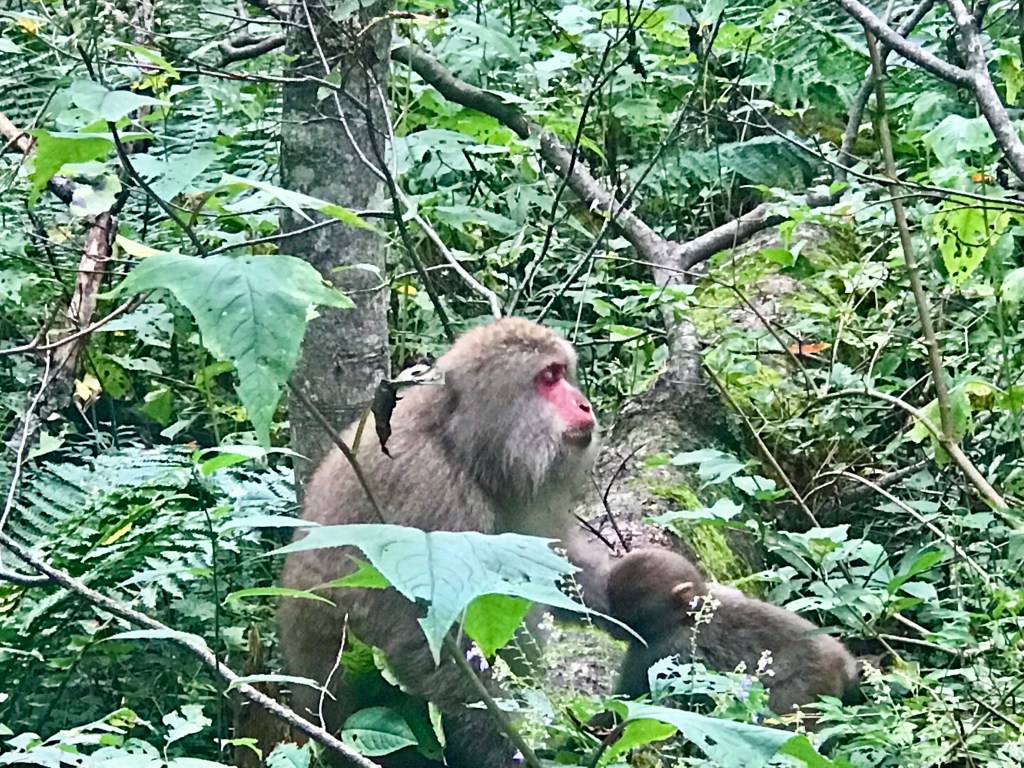
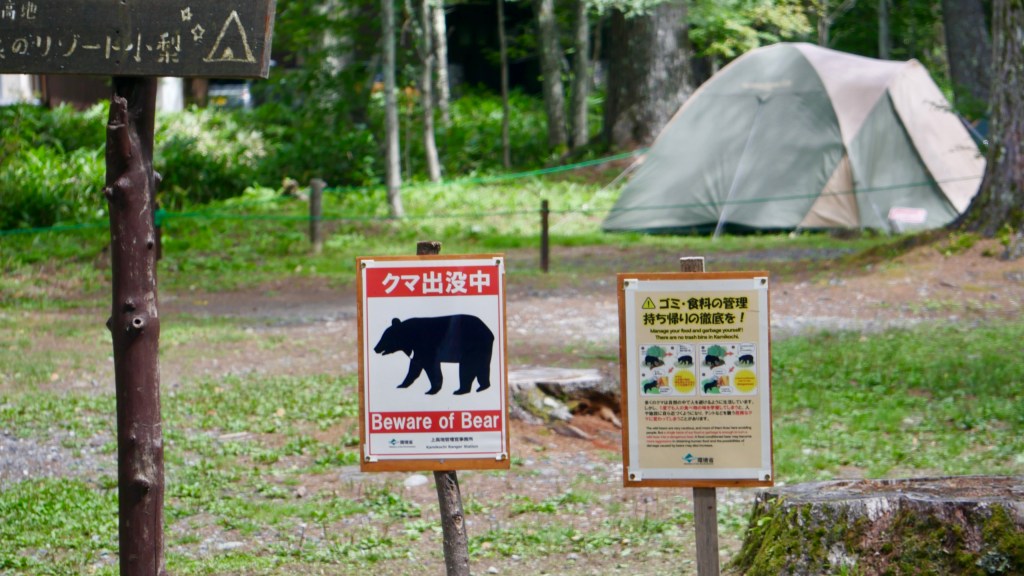
I’ve been spared encounters with the bear (ツキノワグマ tsukinowaguma) and the wild boar (イノシシ inoshishi). And honestly, I hope it stays that way. Both are powerful and unpredictable, and while they belong here as much as any creature, they command a respect that comes best from afar.
Above it all, circling the skies, is the kite (トビ tobi). I see them often, their wings cutting across the mountain sky, their cries carried by the wind. I flew many times with them while droning. You can watch the video below.
Two Worlds, Same Wild Spirit
What fascinates me is how these two worlds mirror each other. The Swiss Steinbock clinging to sheer rock faces has its counterpart in the Japanese kamoshika, patient in the cedar forests. The playful Murmeli echoes the watchful saru. And while both countries have their own larger, more dangerous animals — bears and boars in Japan, wolves and lynx slowly returning to Switzerland — the feeling is the same: the mountains are alive, and they remind us that we’re just visitors here.
Back in Basel, mountain animals were distant symbols. Here in Gifu, they’ve become part of my daily life. Sometimes it’s just a sudden movement in the trees, sometimes a curious gaze held for a moment longer than expected. But always, they remind me of the quiet bond between mountains and wildlife — a bond that stretches from the Alps to Japan.
Flying with a black kite (tobi) is something else, even when it is only for brief moment.






 Experiences - Life - Inspiration 🇨🇭🇯🇵
Leave a comment