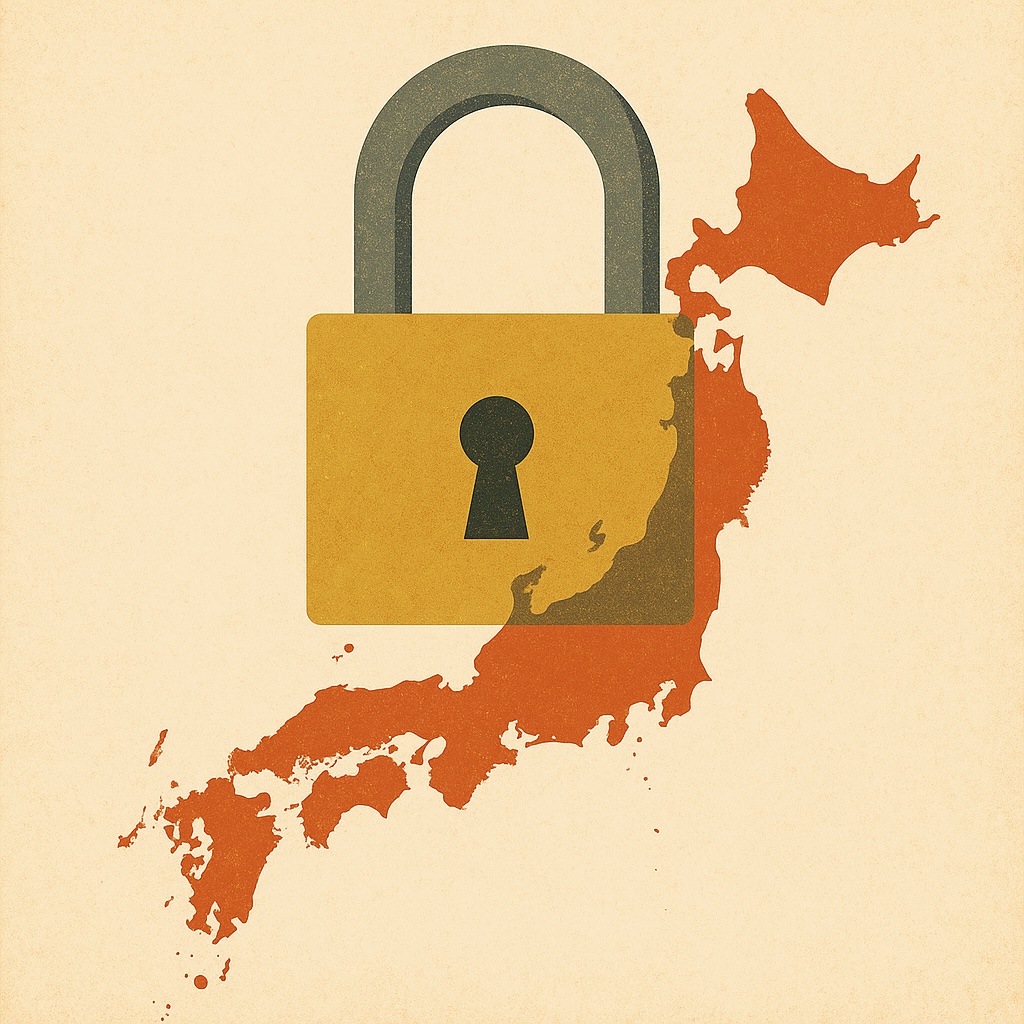
If you’ve spent time in Japan, especially scrolling through Japanese YouTube or news, you may have come across a surprising sight: ordinary people confronting others in public, sometimes even restraining them until the police arrive. To many visitors, this looks shocking—“Wait, are regular people allowed to make arrests in Japan?”
The answer is: yes, but only in very specific circumstances. Let’s unpack this phenomenon, and what it means if you happen to witness it during your stay in Japan.
The Legal Basis: Shijin Taiho
(Private Arrest)
Japanese law recognizes something called shijin taiho (私人逮捕), which translates to “private arrest” or “citizen’s arrest.”
- This right applies when someone witnesses a crime in progress (genkōhan, 現行犯).
- The idea is simple: if you directly see someone shoplifting, committing assault, or groping on a train, you don’t have to just stand by until the police arrive.
- You are legally allowed to stop the person and hand them over to the authorities.
It’s a safety measure built into the system, meant for emergencies where quick action is needed.
The Thin Line: What’s Allowed and What’s Not
While the law does allow private arrests, the rules are very strict:
- It must be in the act: You can’t arrest someone later for a past crime, even if you think you know what they did.
- The crime must meet conditions: Many cases involve theft, harassment, or other offenses where someone might run away.
- Immediate handover: If you stop someone, you must turn them over to police right away. Keeping them for too long can turn your actions into an illegal detention.
- Reasonable force only: Grabbing someone’s arm is one thing; tackling them violently or humiliating them publicly could be seen as assault.
This means the space between a lawful private arrest and an unlawful one is very, very narrow.
YouTubers and Controversy
In recent years, some Japanese YouTubers—such as the controversial Super Dominator—have started filming vigilante-style “citizen arrests.”
These videos often show suspects being confronted in the streets for alleged voyeurism or petty crimes, with the YouTuber stepping in as if they were police. The content gets millions of views, but it comes with problems:
- Many arrests are based on suspicion, not clear evidence.
- Faces are shown online, raising issues of privacy and defamation.
- Police and legal experts warn that such actions risk crossing into unlawful restraint or assault.
So while you might see videos of these confrontations, they don’t reflect the cautious way private arrests are meant to be handled.
Cultural Context: Japan and Vigilantism
It’s worth remembering that Japanese society highly values social order and avoiding public disturbance (meiwaku).
- If you see a shoplifter being calmly restrained by staff or a bystander, that’s within the cultural and legal expectation.
- But loud confrontations or “street justice” with cameras rolling often feel out of place in Japan, where discretion is valued.
This contrast is why vigilante-style arrests online are controversial—they clash with both the law’s intent and cultural norms.
If You Witness a Private Arrest in Japan
Whether you are a local or a visitor, the safest way to act is the same:
- Stay calm and give space – Don’t escalate the situation.
- Call 110 (the police) – That’s the most constructive thing you can do.
- Don’t film or intervene physically – Recording faces and posting them online may itself cause legal trouble.
- Trust the process – In most cases, the suspect will be handed over quickly and the situation resolved without drama.
In Japan, being a good witness means supporting the situation without creating more disturbance. It’s about respecting the law and allowing the system to handle it.
Final Thoughts
Yes, private arrests are possible in Japan—but only under strict rules. They’re meant as a quick safety measure, not an invitation for street patrols or vigilante videos.
So if you see it during your visit, you’re witnessing a rare legal quirk in action, set against Japan’s deep concern for order and social harmony. It’s one of those fascinating cultural-legal intersections that helps you understand how Japan maintains both safety and civility in everyday life.





 Experiences - Life - Inspiration 🇨🇭🇯🇵
Leave a comment