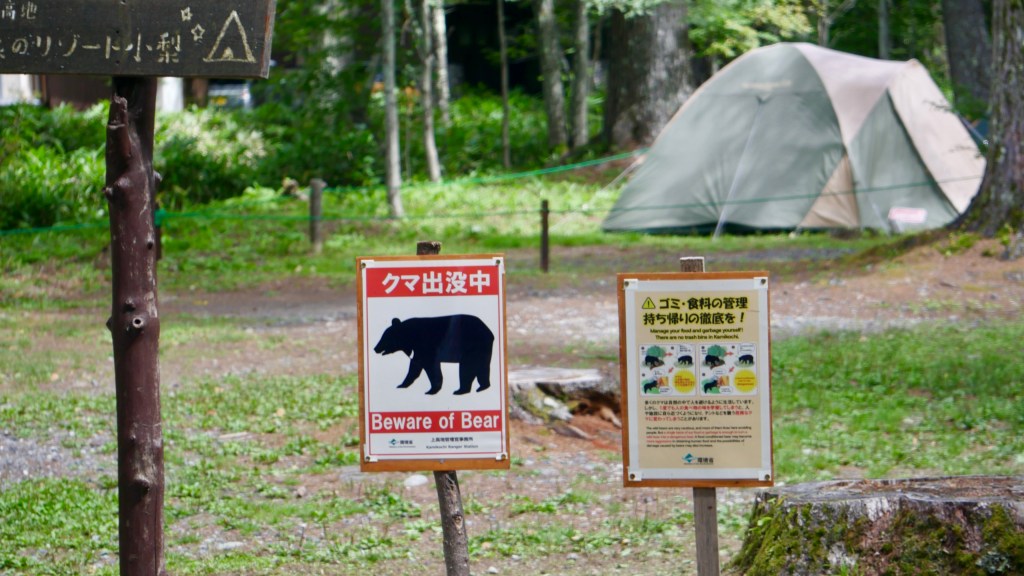
In recent months, Japan has seen a sharp rise in wildlife encounters—especially with wild boars (inoshishi) and bears (kuma)—in both rural and increasingly urban areas. Footage from NHK World and Nippon Television News Japan-English has documented real incidents: bears crossing roads, boars entering neighborhoods, and injured residents. While these events were once rare and localized, they are now becoming a national concern.
Why Are These Encounters Increasing?
1. Wild Boars: Timid Creatures, Fierce Mothers
While wild boars are generally shy, they can turn aggressive—particularly when defending their cubs. Experts report that many recent incidents involve sows acting out of maternal instinct. These confrontations often occur near forest edges or rural paths where hikers or farmers unknowingly get too close (The Japan Times).
2. Bears: Starving and Searching for Food
Japan’s bears are experiencing food shortages caused by poor acorn and nut harvests, disappearing salmon runs, and unpredictable weather. This has forced them out of forests in search of sustenance, leading to:
- Record-breaking bear encounters and attacks: 219 injuries and 6 fatalities between March 2023 and March 2024 alone (The Guardian).
- Emergency declarations and patrols: After a fatal attack in Fukushima Town (Hokkaido), the town issued Japan’s first-ever “bear emergency.”
- Policy changes: In response to the crisis, Japan relaxed laws to allow emergency bear shootings in urban areas to prevent further harm (The Guardian).
Not Just Hokkaido or the Countryside Anymore
While Hokkaido, Nagano, and Gifu have traditionally been known for wildlife presence, recent reports confirm this is a nationwide phenomenon:
- Yamagata: Flights at Yamagata Airport were grounded after a bear wandered onto the runway (Washington Post).
- Aomori and Iwate: Fatal and serious bear attacks on residents near farmland and homes.
- Chiba (near Tokyo): Boar sightings in suburban neighborhoods and parks.
- Ishikawa and Niigata: Boars and bears seen even during public events and golf tournaments.
Experts agree: climate shifts, shrinking rural populations, and changes in land use have removed natural barriers between people and wildlife—across much of Japan.
Precautions for Visitors & Residents
If you’re visiting Japan or live near forested or mountainous areas, here are essential tips:
✅ Before Your Trip
- Check local wildlife advisories before hiking or traveling to rural areas.
- Avoid going out at dawn or dusk—times when wildlife is most active.
✅ During Outdoor Activities
- Make noise: Use bear bells or talk loudly to avoid surprise encounters.
- Don’t travel alone in remote areas. Groups are safer and more noticeable to animals.
- Carry deterrents: Bear spray or whistles can be helpful.
✅ If You See a Boar
- Back away slowly—do not provoke it.
- Avoid getting between a mother and her cubs.
- Climb to higher ground or behind a barrier if it charges.
✅ If You See a Bear
- Stay calm, don’t run—this could trigger pursuit.
- Back away slowly, facing the bear.
- Use bear spray if it approaches, and seek shelter immediately.
What Japan Is Doing About It
- Emergency wildlife shooting law passed in 2025 to protect communities (Kyodo News).
- Insurance programs launched: Tokio Marine now covers accidents and damage from emergency wildlife removal.
- Drone surveillance, patrols, and alerts are being deployed in affected regions.
Final Thoughts
These incidents aren’t sensationalized—they’re factual and grounded in real ecological shifts. If you’re visiting rural Japan, enjoying nature, or living in areas near forest and farmland, awareness and basic precautions can go a long way.
Stay safe and informed—and enjoy the beauty of Japan’s wilderness, respectfully and responsibly.






 Experiences - Life - Inspiration 🇨🇭🇯🇵
Leave a comment