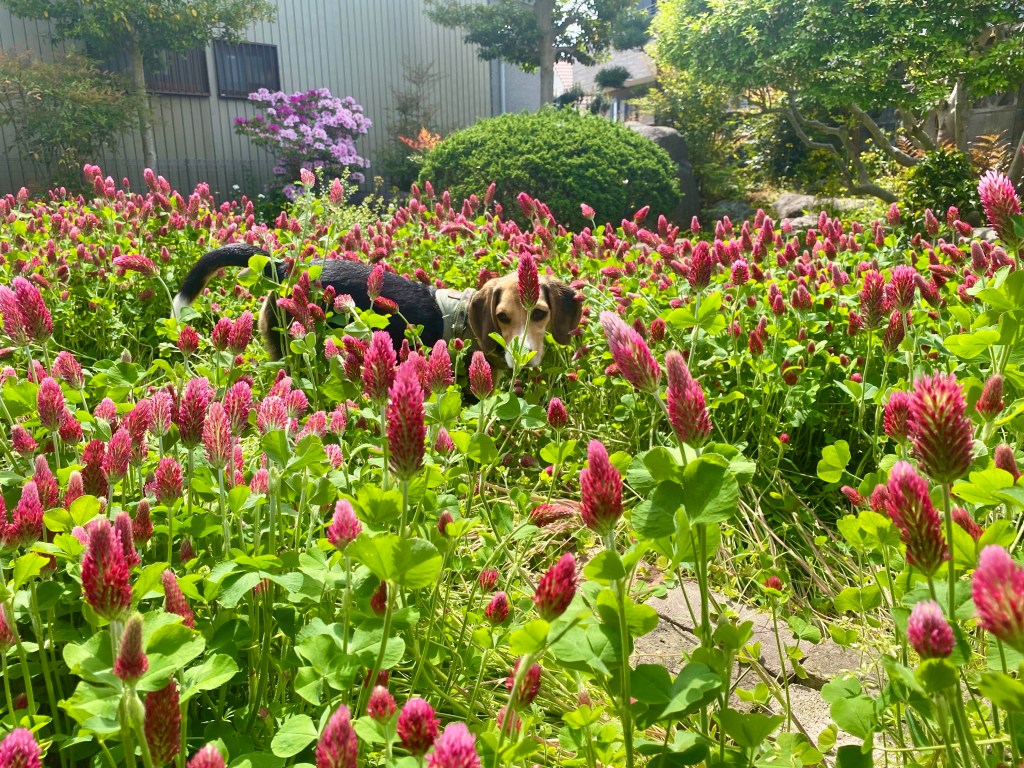
When I first moved into a traditional Japanese house, everything felt new and intriguing. The tatami mats under my feet. The sliding shoji doors whispering open. The ritual of separating garbage into what seemed like a hundred different categories. Now, after over two years of living here, these elements have quietly woven themselves into the fabric of daily life—season after season.
🌙 Sleeping on Tatami: A Seasonal Ritual
Every night, I sleep on a futon laid directly onto the tatami floor. It’s simple and grounding—literally. With the changing seasons, our bedding changes too. In summer, we use light, breathable covers. In winter, thick blankets and warm futon wraps keep the cold at bay. This rhythm with nature has become second nature.
Sunlight isn’t just for mood—it’s also part of the housekeeping. On clear days, we disinfect our futon, pillows, and covers outside under the strong sun. There’s something deeply satisfying about bringing in fresh-smelling bedding that’s been bathed in sunlight for hours.
🔥 The Kotatsu Life (and When It Vanishes)
Our beloved kotatsu—a low table with a heating element underneath and a thick blanket draped over it—is the heart of the home in winter. But when the seasons shift and warmth returns, it gets tucked away like a sleeping bear. The air conditioners shift roles too: from dehumidifiers and coolers in the humid rainy season to warm air heaters during the colder months.
Each room adapts with us. In the kitchen or home office, the AC often runs in heating mode while I work. In summer, it’s all about dry mode combined with a fan to stop my body from turning into a sweaty mess during Japan’s relentless rainy season.
🌞 Shoji, Engawa, and the Dance of Light and Heat
The shoji doors and curtains do more than soften the light—they help control temperature. On hot days, we use them to keep the heat out, especially in the engawa (veranda-like hallway). Close the shoji, pull the curtains, and the house breathes differently—cooler, quieter, calmer.
Meanwhile, the bathroom and toilet fans hum quietly in the background year-round. Ventilation is key here. In Japan’s wettest seasons, moisture creeps in fast—and mold is not a patient visitor.
🌻 Gardening with the Seasons
Gardening has become one of my favorite seasonal routines, but I’ve learned when to pick my battles. Spring, fall, and mild winter days are perfect for shaping shrubs or tending to the garden. But in the sticky summer months? Unless you enjoy sweating like a waterfall and feeding yourself to mosquitoes, it’s a hard pass.
🌼 Nature as My Calendar
One thing I’ve come to love is that seasonal flowers and animal sounds tell me the time of year more than the calendar does. The cries of cicadas, the rustle of bamboo, the soft croak of frogs—they’re all subtle timekeepers in this life aligned with nature.
🔁 Sustainable Living: Nothing Goes to Waste
Japan’s commitment to cleanliness and recycling shows up everywhere, especially in how we manage waste. I clean and separate the trash daily, storing it for periodic trips to the recycling station. It’s meticulous, yes, but meaningful.
Kitchen scraps? They don’t get tossed. I compost them myself. What started as a sustainability effort has turned into a personal practice of respecting the cycle of life—returning what nourished me back to the earth.
🌿 Daily Rituals That Ground Me
Some things have simply become rituals. Burning mosquito coils in summer. Lighting incense throughout the home for calm and clarity. Dropping a fizzy onsen tablet into the bath for a bit of relaxation therapy at the end of a long day.
Even laundry follows the rhythm of the weather. Though we have a gas dryer, it’s rarely used. The sun and breeze outside dry our clothes in no time, and there’s something peaceful about watching laundry sway gently on the outdoor clothes bar.
🚗 Life in the Countryside
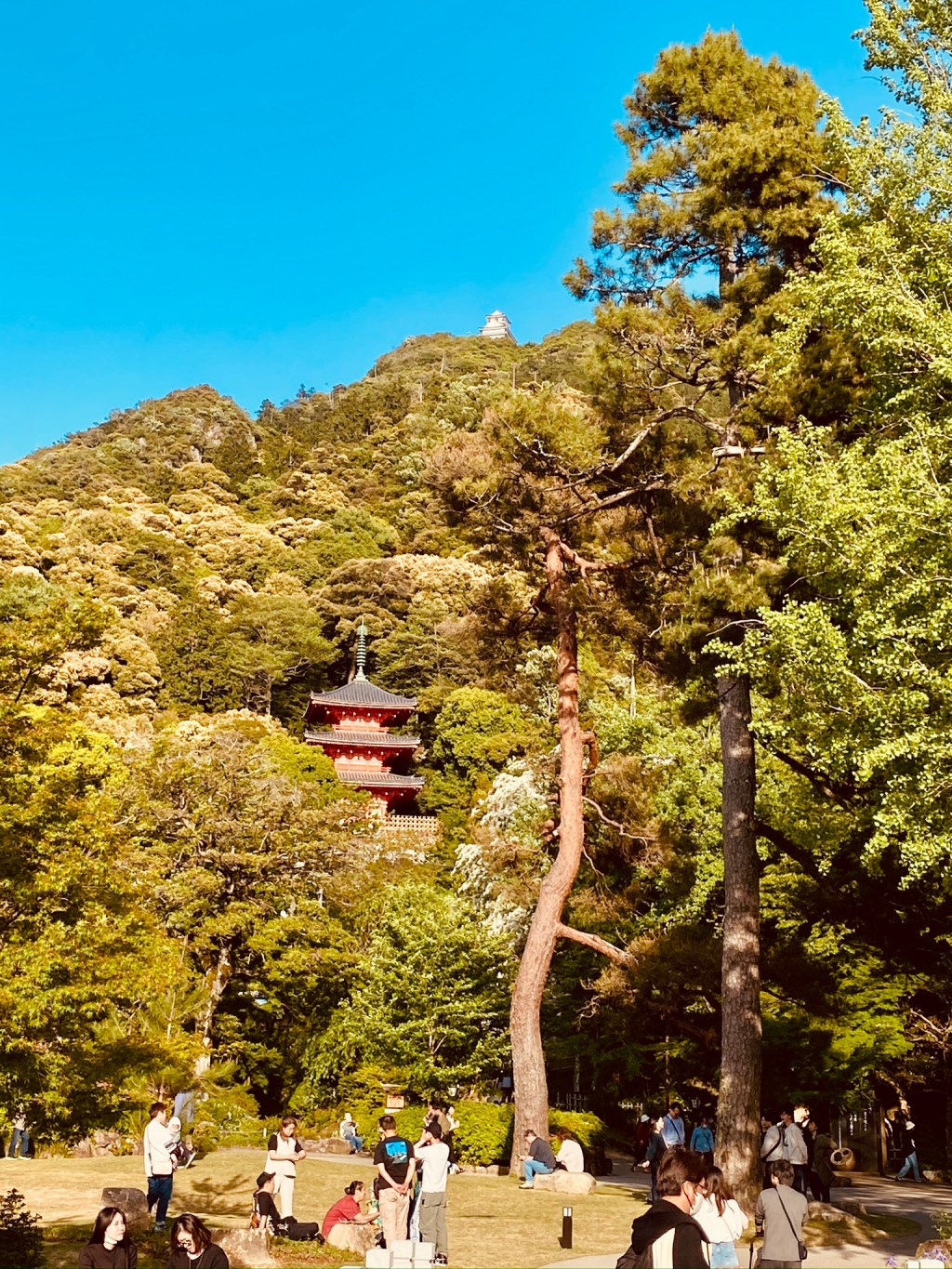
And of course, living in rural Japan comes with its own set of essentials—chief among them, a car. Public transport may be limited here, but that limitation opens up a beautiful freedom. We drive through mountains, rice fields, and tiny towns that you’ll never find in a guidebook.
In Closing…
Life in a traditional Japanese home isn’t about the grand or the glamorous. It’s about small, intentional actions—adapting to the seasons, respecting nature, and creating rituals that align with the world around you.
If you ever get the chance to live this way, even briefly, I encourage you to lean into it. The rhythm of nature will teach you more than the rush of convenience ever could.






 Experiences - Life - Inspiration 🇨🇭🇯🇵
Leave a comment