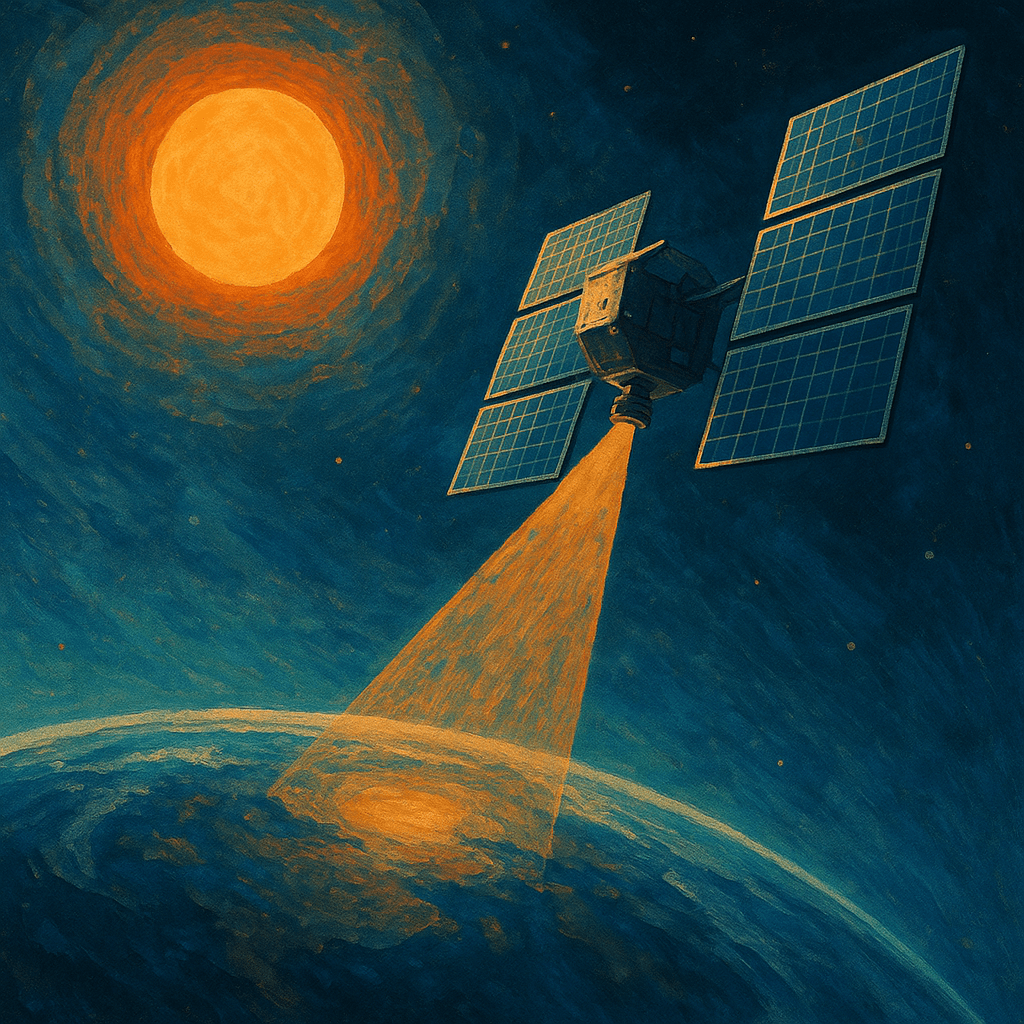
Since I started following developments in renewable energy, one particular concept has recently captured my imagination—space-based solar power. The idea of harvesting the sun’s limitless energy directly from orbit, bypassing weather and night-time interruptions, feels like something out of science fiction. But as it turns out, Japan is bringing this vision closer to reality than ever before.
In 2025, Japan plans to conduct a groundbreaking demonstration by launching a small satellite designed to collect solar energy in space and beam it wirelessly to Earth. This project, called OHISAMA—which fittingly means “sun” in Japanese—could mark a historic step in solving the energy challenges we face today.
The satellite, weighing around 180 kilograms, will orbit the Earth at about 400 kilometers altitude. Its mission? Capture solar power and convert it into microwaves, which can then be transmitted wirelessly to a ground-based receiving station. While the initial demonstration aims to deliver about 1 kilowatt—enough to power a few small appliances—it’s what this represents that truly excites me: a first step toward scaling up to massive, clean energy stations orbiting our planet.
Why does this matter? Unlike ground-based solar panels, which are affected by cloud cover, nighttime, and seasonal changes, solar panels in space have access to uninterrupted sunlight 24/7. Imagine the potential if this technology scales up: reliable, clean energy continuously beamed to Earth, reducing our dependence on fossil fuels, decreasing carbon emissions, and possibly even reshaping the global energy market.
Japan has been quietly working on space-based solar power systems since the 1980s. The OHISAMA project is the most tangible result of decades of research and collaboration between Japan’s space agency JAXA, research institutions, and private industry.
Of course, there are still hurdles to overcome—ranging from scaling the technology, to ensuring safe and efficient energy transmission, to making it cost-effective. But seeing Japan take this bold step forward fills me with hope. Not only for the country’s energy future but for all of us seeking sustainable solutions in an increasingly energy-hungry world.
This project perfectly illustrates how innovative thinking and long-term commitment to research can bring futuristic ideas into the present. It’s the kind of news that reminds me why I stay curious about technology and its power to transform life on Earth.
As Japan moves forward with this demonstration, I’ll be following closely and sharing updates. Who knows? One day, the device charging your phone or powering your home might be running on energy collected from space.








 Experiences - Life - Inspiration 🇨🇭🇯🇵
Leave a comment