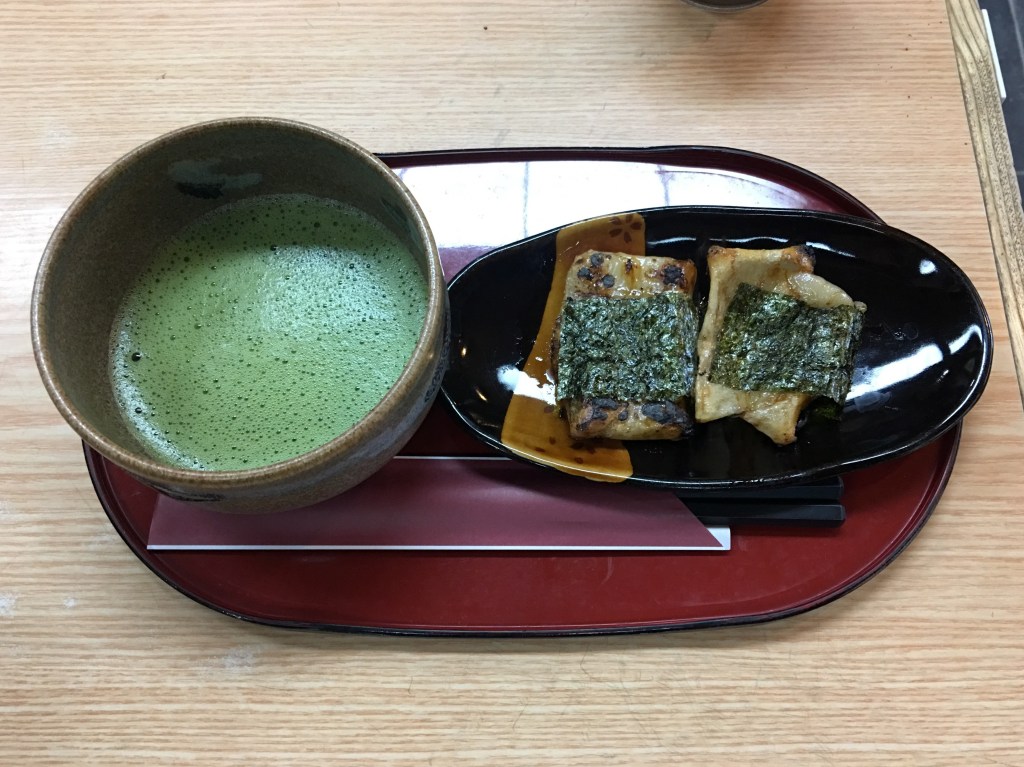
Matcha, the finely ground green tea powder integral to Japanese culture, is experiencing a significant global shortage as surging international demand outpaces production capabilities. This imbalance has led to purchasing limits by Japanese tea manufacturers and frequent stockouts in cafes worldwide.
Factors Contributing to the Shortage
1. Increased Global Demand: The matcha market is projected to reach $5 billion by 2028, growing at an annual rate of 10.39%. This surge is largely due to heightened awareness of matcha’s health benefits and its popularity on social media platforms.
2. Production Constraints: Matcha production is inherently limited by its seasonal and labor-intensive nature. High-quality matcha is derived from shade-grown tea leaves harvested once annually, with only about 6% of Japanese tea processed into matcha. The grinding process is also time-consuming, further restricting output.
3. Declining Number of Tea Farmers: The number of tea farmers in Japan has decreased significantly, posing challenges to scaling production despite government subsidies aimed at encouraging tencha cultivation.
Impact on Consumers and Businesses
The shortage has led to purchasing limits and stockouts in cafes and stores globally. For instance, major tea manufacturers in Japan have imposed purchasing limits on matcha, and customers have encountered “sold out” signs across major cities.
Additionally, some shops have reported sales increases of up to 250%, further straining supply chains.
Potential Solutions and Alternatives
While efforts are underway to boost production, including government subsidies to encourage more tencha cultivation, these measures may take time to alleviate the shortage.
In the meantime, consumers might explore alternative beverages such as yerba mate, gyokuro, or hojicha, which offer unique flavors and health benefits.
Conclusion
The global matcha shortage underscores the challenges of balancing traditional production methods with rapidly growing international demand. As the industry seeks sustainable solutions, consumers and businesses alike may need to adapt to this evolving landscape.
#Matcha #MatchaTea #MatchaShortage #JapaneseTea #GreenTea #TeaLovers #MatchaLife #MatchaLatte #JapanCulture #TeaTime #MatchaAddict #MatchaLove #HealthyDrinks #OrganicTea #SustainableFarming #TeaIndustry #JapaneseTradition #MatchaPowder #MatchaObsession #WellnessDrinks




 Experiences - Life - Inspiration 🇨🇭🇯🇵
Leave a comment