In a world where technology often feels cold and impersonal, Japan stands out with its unique relationship with machines. Here, robots are not just tools; they are friends, helpers, and even spiritual beings. This fascinating cultural phenomenon, known as Techno-animism, blends ancient animistic beliefs with cutting-edge innovation, creating a world where artificial intelligence and robotics coexist harmoniously with humanity.
The Roots of Techno-Animism: Shinto’s Influence
At the heart of techno-animism lies Shintoism, Japan’s indigenous spiritual tradition. In Shinto belief, spirits (kami) exist in everything—rivers, mountains, trees, and even human-made objects. This worldview fosters a sense of reverence toward the material world, and in modern times, it has extended to technology.
Unlike Western perspectives that often depict robots as threats (think The Terminator or The Matrix), Japan views them as companions. This cultural mindset shapes everything from robotic design to the way people interact with digital assistants. It’s why Japan has ceremonies to thank broken household objects, and why robotic pets like Sony’s Aibo are not just gadgets but beloved family members.
Robots as Companions, Not Just Tools
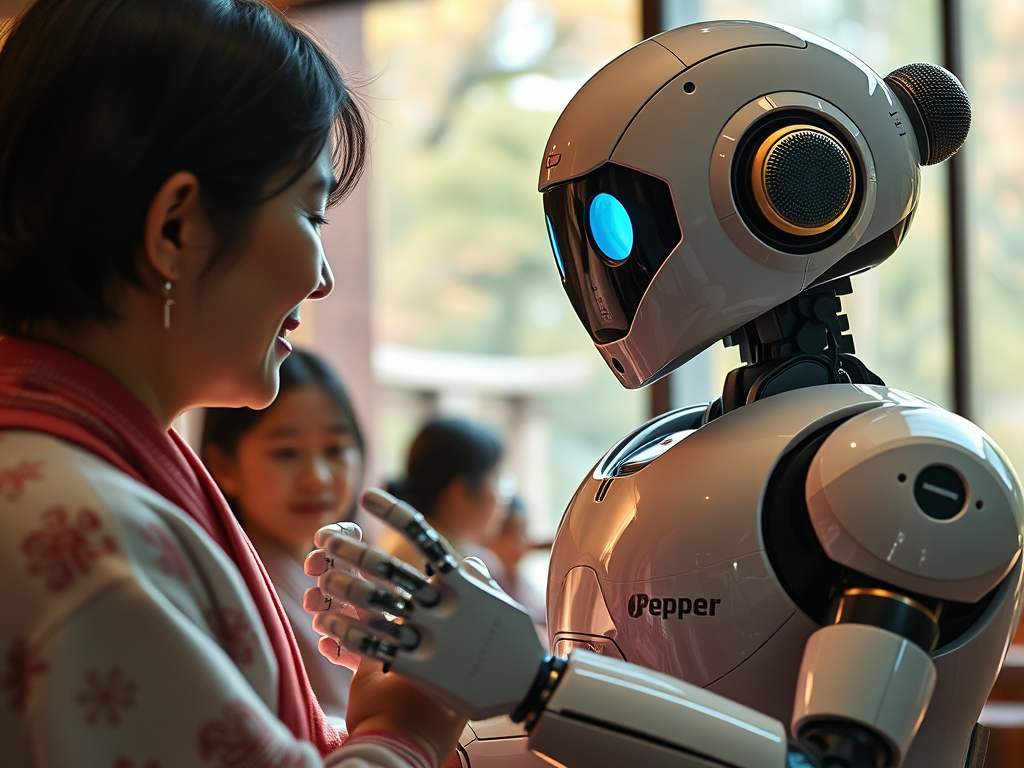
Walk into a Japanese department store, and you may be greeted by Pepper, a humanoid robot designed to interact with customers. Pepper isn’t just providing information—it’s responding to human emotions, engaging in small talk, and even bowing in greeting. This isn’t just programming; it’s an intentional design philosophy that encourages connection.
Japan’s cultural comfort with automation is evident in its elderly care sector, where robotic assistants provide companionship and support. With a rapidly aging population, humanoid robots like Paro, a robotic therapy seal, offer emotional relief to seniors who might otherwise feel isolated. Here, technology is not replacing human warmth—it is enhancing it.
The Digital Spirit: AI, Virtual Beings, and Everyday Tech
The spirit of techno-animism extends beyond physical robots into the digital realm. AI-driven virtual characters like Hatsune Miku, a singing hologram idol, have massive followings, with fans treating her as a living entity. Likewise, AI-driven virtual companions, such as Gatebox, allow users to interact with holographic characters who greet them after a long day of work.
Even in everyday appliances, Japan imbues machines with personality. Car GPS systems speak in polite, human-like tones, vending machines express gratitude with a friendly “Arigatou gozaimasu,” and train station announcements use calming, melodic voices to provide a warm, human touch.
Rituals for Machines: Honoring Technology’s Service
One of the most striking examples of techno-animism is the tradition of object appreciation rituals. In temples across Japan, broken sewing needles are placed into soft tofu during Hari-kuyō, a Buddhist ceremony held to thank them for their service before they are discarded. Similar ceremonies exist for old dolls and other household items, reflecting a belief that even inanimate objects deserve respect.
This extends to technology—when a cherished robot pet like Aibo “dies,” owners gather for robot funerals, complete with Buddhist monks offering prayers. These rituals show a deep emotional and spiritual connection between people and their machines.
Techno-Animism vs. Western Views on AI
The contrast between Japan’s techno-animism and Western skepticism toward AI is striking. In the West, AI and robotics often spark debates about job replacement, ethical concerns, and existential risks. Japan, on the other hand, sees robots as allies that complement human life rather than compete with it. This difference in perception shapes technological development and adoption rates worldwide.
Where Silicon Valley prioritizes efficiency and logic in AI, Japan prioritizes emotional intelligence and companionship. The rise of AI-driven personal assistants like ChatGPT and virtual influencers suggests that aspects of techno-animism are gradually gaining traction outside Japan, challenging conventional attitudes toward technology-human relationships.
The Future of Techno-Animism
As artificial intelligence and robotics continue to evolve, Japan’s approach to technology offers a compelling alternative to fear-driven narratives. Techno-animism teaches us that technology doesn’t have to be soulless—it can be an extension of our humanity, designed with empathy, warmth, and even a touch of spirituality.
Whether it’s the friendly voice of a GPS system, the comforting presence of a robotic pet, or the emotional connection people form with AI, Japan reminds us that technology isn’t just about functionality. It’s about how we choose to relate to it. Perhaps, in a world increasingly dominated by artificial intelligence, the real challenge isn’t controlling technology—it’s learning to coexist with it in harmony, as Japan has done for centuries.








 Experiences - Life - Inspiration 🇨🇭🇯🇵
Leave a comment