Japan is famous for its cherry blossom festivals, New Year’s traditions, and summer fireworks, but beneath the surface, there are many lesser-known seasonal customs that even seasoned travelers might not be aware of. These traditions are deeply rooted in history and culture, reflecting Japan’s profound connection to nature and the passage of time. Let’s explore some of the most unique and intriguing seasonal traditions in Japan that might surprise you.
Winter: Oshiruko and the First Dream of the Year (Hatsuyume)
While many people associate Japanese winters with hot springs and snow festivals, a lesser-known tradition is enjoying oshiruko—a warm, sweet red bean soup with chewy mochi—during the coldest months. Families and friends often gather to savor this comforting dish, which is believed to bring warmth and good fortune for the new year.
Another intriguing winter custom is hatsuyume, or the first dream of the year. According to folklore, dreaming of Mount Fuji, a hawk, or an eggplant on the night of January 1st brings good luck for the coming year. These symbols are closely associated with prosperity and success, creating a fascinating blend of superstition and seasonal optimism.
Spring: Doll Floating Festivals (Hina Nagashi)
While Hinamatsuri (Doll Festival) on March 3rd is well-known, not everyone is familiar with Hina Nagashi, the lesser-known tradition of floating paper or straw dolls down rivers. In some regions, people release dolls into the water to carry away bad luck and misfortune, a symbolic purification ritual. This beautiful practice is still observed in areas like Shimane and Kyoto, where you can witness the serene procession of dolls drifting gracefully downstream.
Summer: Nagashi Somen – Catching Flowing Noodles
As the summer heat reaches its peak, the Japanese find creative ways to cool down—including enjoying nagashi somen. Instead of simply serving cold noodles in a bowl, this unique summer tradition involves sending slender wheat noodles cascading down a bamboo flume filled with icy water. Diners must catch the noodles with chopsticks before dipping them into a savory soy-based sauce. It’s both a refreshing treat and a delightful challenge, commonly enjoyed at summer festivals or in the countryside.
Autumn: Tsukimi – Moon Viewing with Special Foods
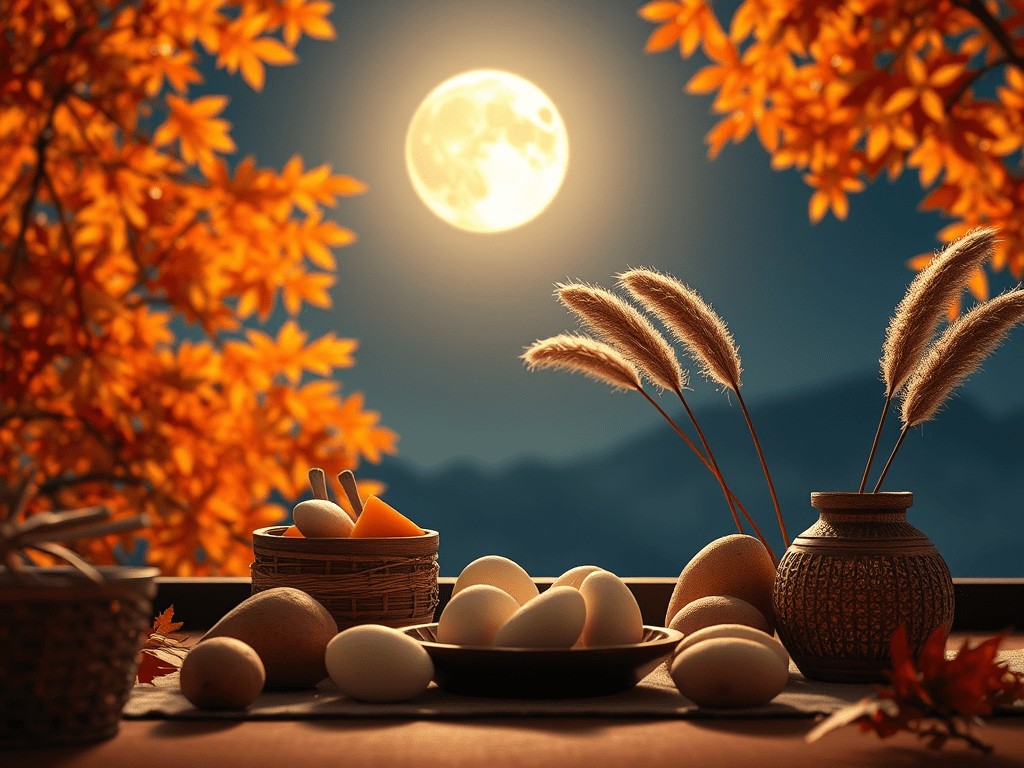
Autumn in Japan is renowned for its vibrant foliage, but fewer people are aware of Tsukimi, or moon-viewing festivals, held to appreciate the beauty of the harvest moon. Traditionally, people offer seasonal foods like tsukimi dango (white rice dumplings), satsumaimo (sweet potatoes), and susuki (pampas grass) to honor the moon deity.
Many modern restaurants participate in this tradition by offering special “moon-viewing” versions of popular dishes, including tsukimi soba or even McDonald’s Japan’s seasonal Tsukimi Burger, which features a fried egg to represent the full moon.
Year-Round: Doyo no Ushi no Hi – Eating Eel for Strength
One unique tradition that occurs multiple times a year, regardless of season, is Doyo no Ushi no Hi, or “Eel Day.” On specific days based on the lunar calendar, Japanese people eat unagi (grilled eel) to boost their stamina and ward off fatigue. While many foreigners associate unagi with summer, this tradition is actually observed several times a year depending on the lunar cycle. The belief is that eel’s rich nutrients help maintain energy levels, particularly in extreme weather conditions.
Final Thoughts
Japan’s seasonal traditions are deeply intertwined with its appreciation of nature, food, and symbolism. While many tourists flock to Japan for the major festivals, countless lesser-known customs can reveal the country’s rich cultural layers. Whether it’s enjoying nagashi somen in the summer, floating dolls down a river in the spring, or dreaming of Mount Fuji in winter, these unique traditions make Japan’s seasons more fascinating.
Have you experienced any of these traditions, or do you know of others that should be on this list? We’d love to hear your thoughts in the comments!
#JapanTraditions #CulturalHeritage #TravelJapan #FoodCulture #SeasonalCelebrations #ExploreJapan #TravelTips




 Experiences - Life - Inspiration 🇨🇭🇯🇵
Leave a comment