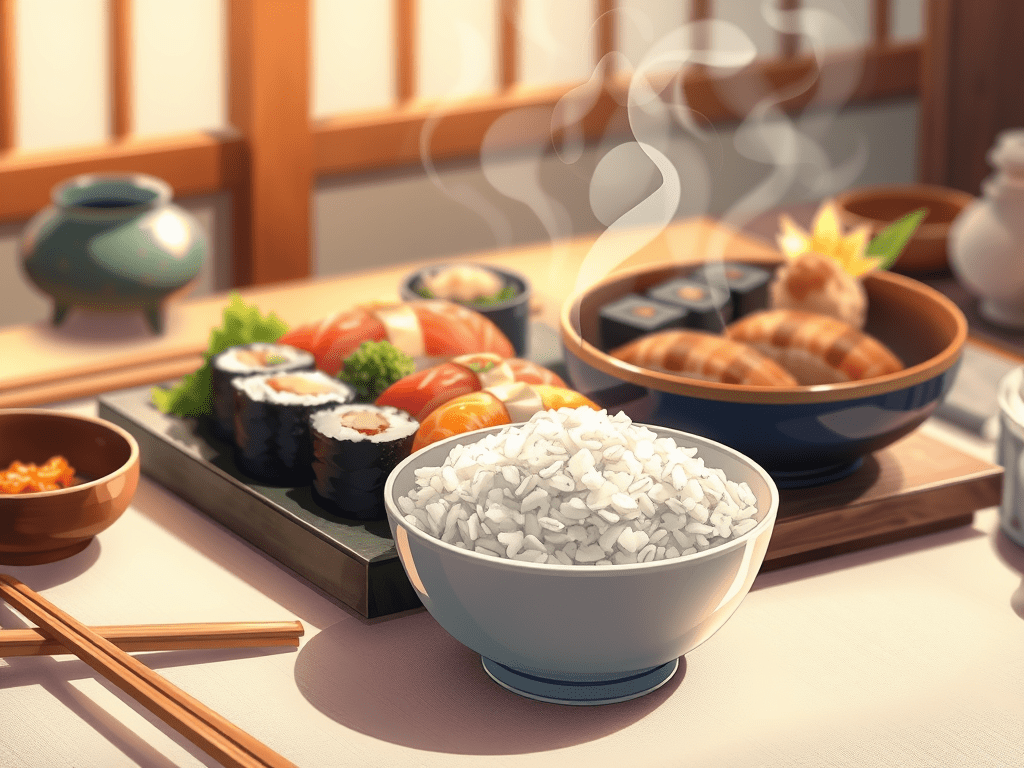
Japan has long been a land of fascination for travelers, anime fans, and culture enthusiasts worldwide. However, with that fascination comes plenty of myths and misconceptions. From sushi-eating habits to the cost of living, let’s break down some of the biggest myths foreigners believe about Japan and uncover the truth behind them.
1. Do Japanese People Really Eat Sushi Every Day?
One of the most common stereotypes is that sushi is a staple of the Japanese daily diet. While sushi is undeniably an important part of Japanese cuisine, it is far from an everyday meal. Most Japanese people indulge in sushi during special occasions or dining out. The typical daily diet consists of a variety of home-cooked meals, such as rice, miso soup, grilled fish, vegetables, and dishes like gyudon (beef bowl), ramen, and curry rice. Sushi is regarded as a luxury or a treat rather than a daily necessity.
2. Is Japan Always Super Expensive?
Many people assume that visiting or living in Japan is prohibitively expensive. While Japan can be costly—especially in major cities like Tokyo—it offers plenty of affordable options for travelers and residents alike. For instance, local eateries serve delicious meals for under ¥1,000 (around $7 USD). Convenience stores (konbini) provide a wide variety of high-quality, budget-friendly meals. Furthermore, public transportation, especially when utilizing passes like the JR Rail Pass, is relatively economical. With options like capsule hotels, business hotels, and guesthouses, you can enjoy Japan without breaking the bank.
3. Does Everyone in Japan Know Martial Arts?
Thanks to popularmedia portrayals, many foreigners assume that every Japanese person trains in karate, judo, or some other martial art. While Japan is home to legendary martial arts traditions, the truth is that most people do not actively practice them. Many schools offer judo or kendo as part of physical education, but participation is not mandatory. Sports like baseball and soccer are far more popular among younger generations. While martial arts remain an important cultural heritage, they are not universally practiced.
4. Is Japan a High-Tech, Futuristic Country Everywhere?
Japan’s reputation for advanced technology—high-speed trains, robot hotels—often leads to the misconception that the entire country is a futuristic utopia. While major cities like Tokyo and Osaka showcase high-tech wonders, much of Japan retains its traditional, rural charm. Outside urban centers, you’ll find quaint towns with wooden houses, lush rice fields, and historic shrines. Many businesses still rely on fax machines, and cash remains a widely preferred payment method in various places. Japan beautifully balances ultra-modern and deeply traditional elements.
5. Are Japanese People Always Polite and Reserved?
While it’s true that Japanese culture emphasizes politeness, this doesn’t imply every individual is shy or reserved. Just like in any other country, personality types vary widely. In cities like Osaka, for instance, residents are known for their boisterous and humorous nature, contrasting sharply with the more reserved demeanor typical of Tokyo. Many Japanese people can be incredibly friendly, warm, and expressive—especially once you take the time to get to know them.
6. Do Japanese Houses Have Paper Walls?
The image of sliding paper doors (shoji) and traditional wooden homes often comes to mind when thinking about Japanese architecture. While shoji can be found in some homes, most modern Japanese apartments and houses are constructed with materials like concrete, wood, and glass, similar to homes elsewhere in the world. Traditional houses still exist, especially in historical areas like Kyoto, but they are far from the norm. Most Japanese homes feature modern amenities like heating, air conditioning, and high-tech toilets.
7. Is Japan a Country That Only Loves Anime and Video Games?
While Japan is known as the birthplace of anime, manga, and gaming, it’s a misconception that everyone is obsessed with them. Many enjoy anime, but it is merely one facet of the vibrant entertainment culture. Japanese television, literature, theater, and traditional arts like kabuki and noh retain their popularity. Outdoor activities such as sports, hiking, and fishing are also common pastimes. Expecting every Japanese person to be an anime fan is much like assuming every American is obsessed with Hollywood movies.
Conclusion
Japan is an incredibly diverse and complex country, and while some myths contain grains of truth, they often oversimplify reality. Understanding the nuances of Japanese culture helps break down stereotypes and facilitates a deeper appreciation of this fascinating nation.
Have you encountered any of these myths? Join the discussion in the comments!
#Japan #JapaneseCulture #TravelMyths #Sushi #MartialArts #Technology #Anime #TravelJapan #CulturalInsight




 Experiences - Life - Inspiration 🇨🇭🇯🇵
Leave a comment