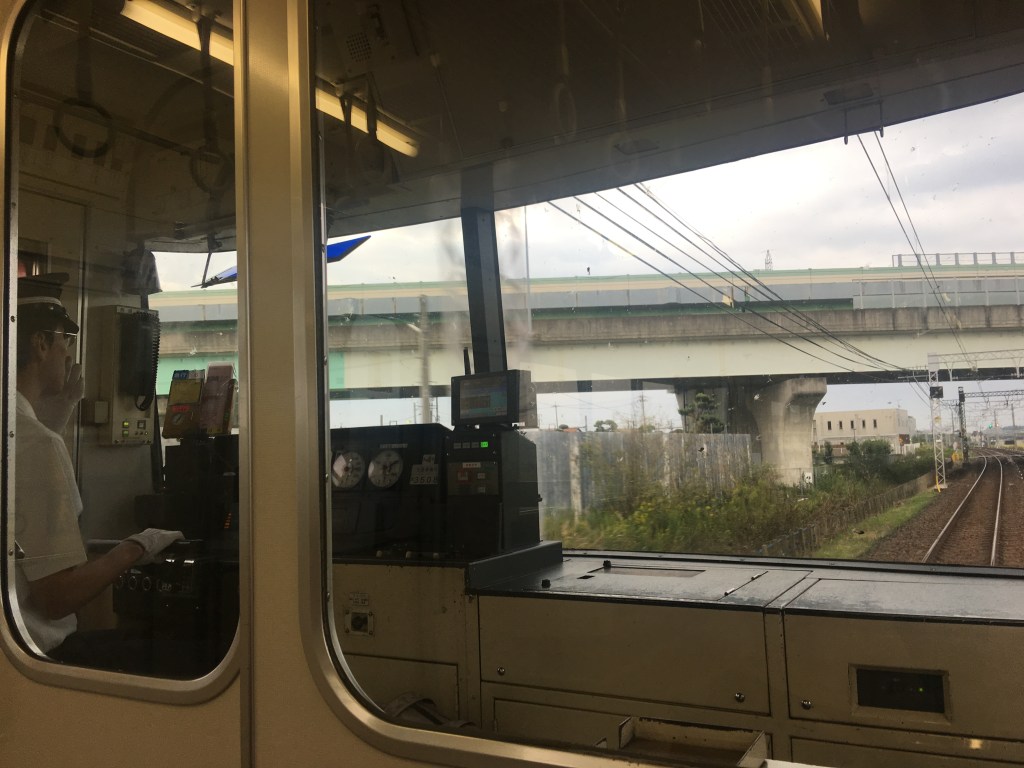
Japan’s railway system is widely regarded as a marvel of efficiency, punctuality, and innovation. This reputation stems not just from advanced technology, but also from a combination of historical developments, management practices, and a unique cultural attitude towards public transportation. Let’s delve into what makes Japan’s railway system one of the best in the world, exploring its successes and the lessons other countries could learn from it.
1. Historical Development & Government Commitment
The foundation of Japan’s remarkable railway system dates back to 1872, when the first line opened between Tokyo (Shimbashi) and Yokohama. In the aftermath of World War II, the government recognized the need to rebuild the nation’s infrastructure, with railways at the forefront of this initiative. The introduction of the Shinkansen (bullet train) in 1964, just before the Tokyo Olympics, was a pivotal moment that further solidified Japan’s commitment to railway innovation. Continuous government investment has ensured ongoing improvements and expansions across the network.
2. Punctuality & Precision
One of the hallmarks of Japan’s trains is their incredible punctuality, with an average delay of less than a minute! The strict adherence to timetables—down to the second—ensures that trains operate efficiently. When delays do occur, they are managed proactively through immediate measures such as additional train deployments and real-time updates to passengers. This apology culture underscores the importance of timeliness, with staff offering formal apologies for any delay, even one minute, and providing delay certificates for late Shinkansen travelers.
3. Advanced Technology & Safety Measures
Japan leads the way in railway technology, employing systems like Automatic Train Control (ATC) to prevent collisions and ensure smooth operations. The Shinkansen is designed with earthquake-resistant measures, enabling immediate stops when tremors are detected. Innovations like AI and Big Data are utilized to optimize schedules and enhance safety. Additionally, the development of Maglev (Magnetic Levitation) trains is set to further increase speeds, promising a future of travel at over 600 km/h.
4. Private vs. Public Management
The privatization of Japan National Railways (JNR) in 1987 gave rise to the Japan Railways (JR Group), which consists of six regional companies that operate independently. This shift has stimulated competition among private railway companies, resulting in a high quality of service that benefits commuters throughout the nation.
5. Efficient Infrastructure & Station Management
Japan’s urban centers, particularly Tokyo and Osaka, boast dense networks of train lines that run every few minutes, catering to immense passenger demand. Integrated transit systems allow for seamless connections between trains, buses, subways, and taxis, making it easy for travelers to navigate cities. The introduction of Suica and Pasmo IC cards has revolutionized boarding and transfers, streamlining the entire travel experience.
6. Cultural Influence & Social Discipline
Cultural attitudes play a significant role in the success of Japan’s railway system. In a society where punctuality is paramount and being late is considered disrespectful, commuters naturally value and expect timely services. Train etiquette further enhances the travel experience, with passengers maintaining silence, keeping compartments clean, and giving priority to the elderly. The substantial daily commuter population fosters an ongoing demand for efficient rail services.
7. Future Innovations
Looking ahead, Japan continues to innovate. Projects like the Chuo Shinkansen (Maglev Line) aim to connect Tokyo and Osaka in under 70 minutes, while plans for hydrogen-powered and eco-friendly trains highlight a commitment to sustainability. Additionally, AI-powered predictive maintenance is being developed to minimize delays and enhance service reliability.
Conclusion
Japan’s railway system stands as a testament to what can be achieved through commitment to technology, innovation, and cultural respect for punctuality. By treating public transportation as a national priority, Japan has created a network that is fast, clean, safe, and always on time. Other countries could greatly benefit from studying and implementing lessons from Japan’s success in railway management.
#JapanRailways #Shinkansen #PublicTransport #Innovation #Punctuality #TransportInfrastructure #TravelJapan #RailwayTechnology #SustainableTransport #Efficiency






 Experiences - Life - Inspiration 🇨🇭🇯🇵
Leave a comment