
Yesterday, I dove headfirst into a frosty topic—snow types and conditions—after stumbling upon the English word “flurries.” No one seemed to care about my snowy ramble, but I’m back today, ready to share how Japanese and Swiss cultures uniquely name their snow types and conditions.
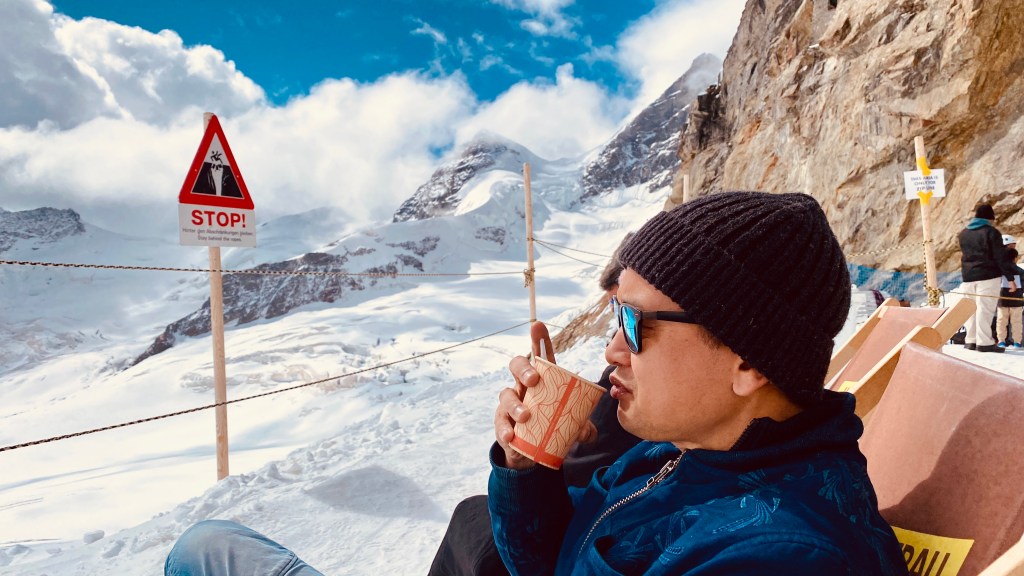
Switzerland: A Love Affair with Snow
Known for its Alpine climate and vibrant winter sports scene, Swiss German offers an impressive variety of terms for snow, focusing on texture and behavior. Here’s how they stack up:
General Terms for Snow:
- Schnee – Snow (equivalent to 雪 yuki in Japanese).
- Neuschnee – Fresh snow (like 新雪 shinyuki).
- Altschnee – Old, stubborn snow.
- Pulverschnee – Powder snow (like 粉雪 konayuki), perfect for skiing!
- Tiefschnee – Deep, untouched snow (similar to 深雪 miyuki).
- Pappschnee – Heavy, wet snow (also known as 湿雪 shitsuyuki).
Types of Falling Snow:
- Schneeflocken – Charming little snowflakes that create a magical atmosphere.
- Schneegestöber – A delightful snow flurry dancing in the air.
- Flockenwirbel – Swirling snowflakes that add drama to the landscape.
- Schneeregen – Sleet (like 霙 mizore).
- Schneesturm – A blizzard (like 吹雪 fubuki).
- Graupel – Soft hail or snow pellets.
Snow on the Ground:
- Harsch – Hard, crusty snow, ideal for those daring enough to walk on it (like 凍雪 kōsetsu).
- Bruchharsch – A hard crust that shatters under pressure.
- Firn – Aged snow that has thawed and refrozen.
- Gletscherschnee – Glacier snow (like 雪渓 sekkei).
- Lawinenschnee – Avalanche snow.
Special Snow Conditions:
- Schneematsch – Slushy snow with a high water content.
- Schwimmschnee – Loose, unstable snow that quickens your heart rate.
- Treppenschnee – Stepped snow.
- Windgepresster Schnee – Wind-packed snow.
Japanese Snow Terms: A Cultural Perspective
Nagano (Shinshu) Snow Terminology
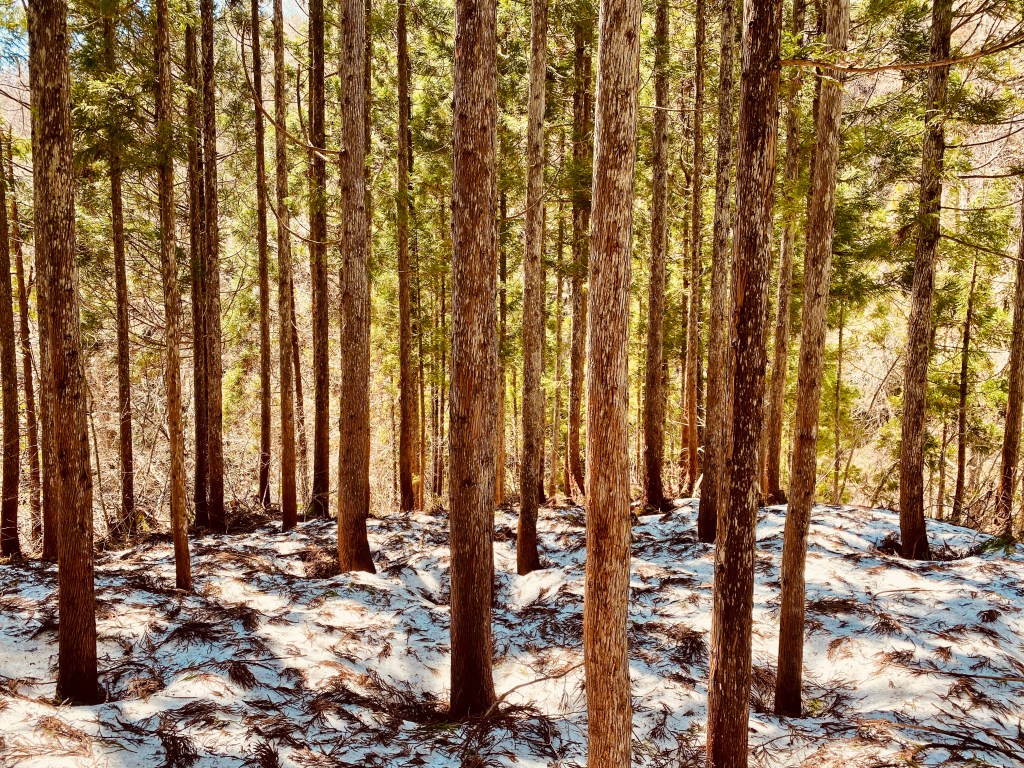
Renowned for its deep, powdery snow and home to the 1998 Winter Olympics, Nagano has a strong winter sports culture alongside traditional farming communities that depend on understanding seasonal patterns.
Common Snow Terms in Nagano:
- ズク雪 (zuku-yuki) – Heavy, wet snow that is exhausting to shovel.
- バサ雪 (basa-yuki) – Dry, light powder snow that doesn’t cling together.
- ドカ雪 (doka-yuki) – Sudden, heavy snowfall.
- 根雪 (neyuki) – Persistent snow that remains through winter.
- 山雪 (yamayuki) – Mountain snow accumulation.
- シンシンと降る雪 (shinshin to furu yuki) – Quietly falling snow.
Ainu Snow Terminology (Hokkaido)
The Ainu, indigenous to Hokkaido, have lived in one of the snowiest regions worldwide. Their survival relied on understanding various snow conditions for hunting and navigation.
Ainu Words for Snow:
- kusunkar – Soft, fresh snow just fallen.
- osah – Large, distinct snowflakes.
- piratarpe – “Drifting snow,” influenced by the wind.
- kimot – Snow-covered land.
- pon-sinot – Light snow or a small snowfall.
- cipor-kimot – Deep snow that reaches knee height.
- ruyanpe – Melting snow.
Nagano vs. Ainu: A Comparison of Terminology
| Feature | Nagano (Shinshu) 🌄 | Ainu (Hokkaido) ❄️ |
|---|---|---|
| Main Concern | Skiing, road safety | Hunting, survival, navigation |
| Heavy Snow | ドカ雪 (doka-yuki) | cipor-kimot |
| Powder Snow | バサ雪 (basa-yuki) | kusunkar |
| Drifting Snow | 風雪 (fūsetsu) | piratarpe |
| Melting Snow | 雪解け (yukidoke) | ruyanpe |
Conclusion: Snow Words Reflect Unique Needs
Nagano’s residents describe snow based on skiing conditions, travel difficulties, and winter maintenance, while the Ainu focus on snow’s impact on survival and movement. Both cultures distinguish between wet and dry snow and melting conditions, but Ainu terminology is rooted in ancestral knowledge and nature.
This snowy comparison illustrates that there are myriad ways to appreciate winter’s beauty. Skiing in Nagano, you might encounter バサ雪 (basa-yuki), whereas in Hokkaido, you’ll encounter kusunkar.
#SnowyTales #FlurriesAndMore #SnowLovers #SwitzerlandVsJapan #WinterWonderland #CulturalDifferences #WinterSports





 Experiences - Life - Inspiration 🇨🇭🇯🇵
Leave a comment