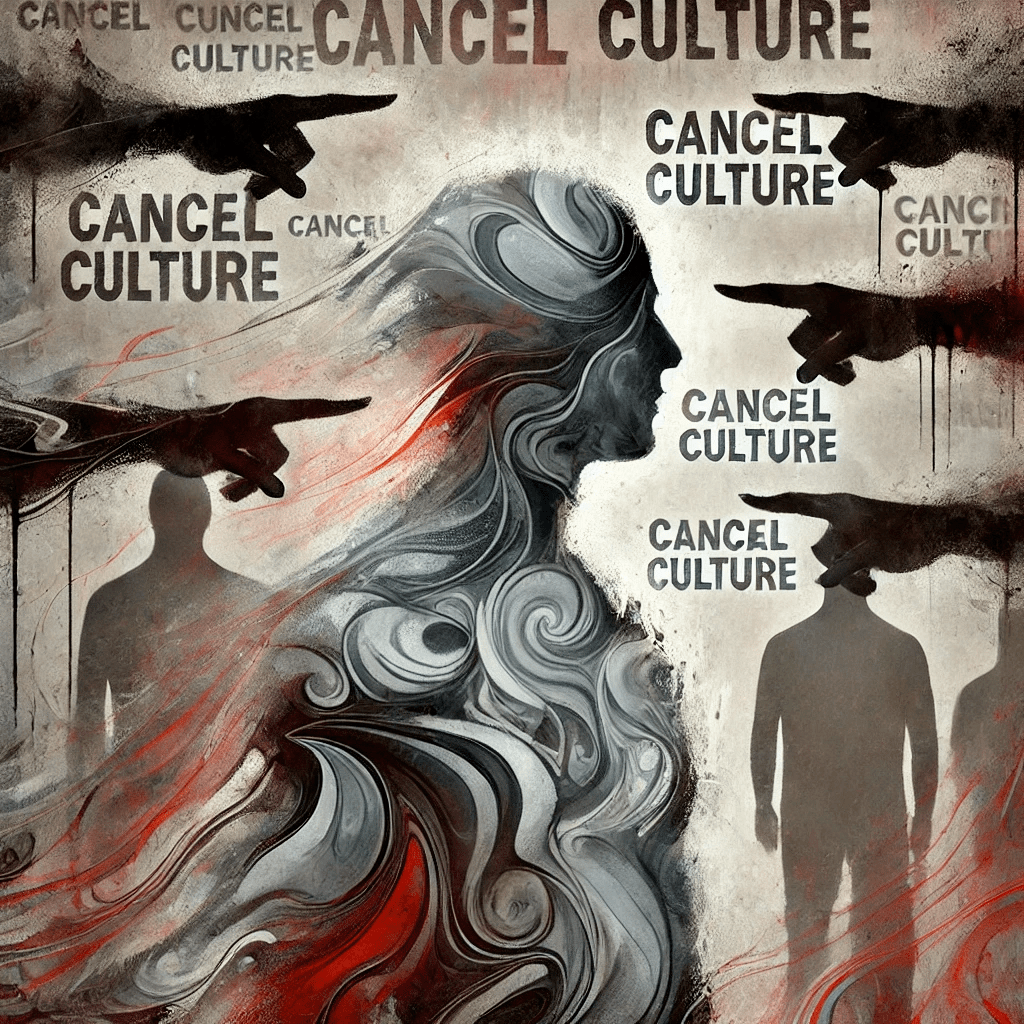
Cancel culture in Japan operates differently compared to Western countries, as it is heavily influenced by Japan’s cultural values, societal norms, and emphasis on harmony (wa) and collective responsibility. While the concept of canceling someone for offensive behavior exists, it manifests in a less confrontational way and often revolves around preserving public image, avoiding shame, and maintaining societal harmony.
Key Characteristics of Cancel Culture in Japan:
1. Public Apologies and Accountability:
• Japanese culture places great importance on accountability and public apologies when a public figure or organization makes a mistake. This often happens quickly, and apologies are typically formal and emotional, aiming to show sincerity and remorse.
• Companies or celebrities may issue apologies via press conferences, social media, or traditional media, and they often take a break from public life to reflect.
2. Impact on Celebrities and Public Figures:
• Celebrities, politicians, and business leaders are particularly vulnerable to “cancellation” if they are involved in scandals such as infidelity, financial misconduct, or breaking social taboos.
• Unlike in the West, where political or ideological disagreements may lead to cancellations, in Japan, it is usually related to behavior that disrupts harmony or breaches societal expectations.
3. Corporate and Organizational Actions:
• In many cases, brands or organizations sever ties with individuals involved in scandals to protect their image. This is seen as a way to distance themselves from controversy and maintain public trust.
• Examples include actors being dropped from projects, athletes losing endorsements, or products being discontinued due to negative associations.
4. Online and Social Media Influence:
• Social media platforms have become a significant space for criticism and call-outs in Japan, similar to elsewhere. However, Japanese netizens tend to focus on group consensus, and “cancel campaigns” often rely on a collective agreement that a behavior is unacceptable.
• The term “炎上” (enjo, meaning “flaming” or public backlash) is commonly used to describe online controversies where individuals or organizations face intense criticism.
5. Cultural Roots in Shame and Face:
• In Japan, the concept of loss of face and shame is deeply ingrained. When someone is “canceled,” the focus is less on punitive measures and more on the individual or group being publicly shamed or ostracized.
• The collectivist culture encourages self-regulation, and many individuals voluntarily step down from positions or withdraw from public life to restore harmony.
6. Differences from the West:
• In Western cancel culture, political and social activism often drives cancellations, targeting issues such as racism, sexism, or political ideologies. In Japan, cancellations are less ideologically driven and more about maintaining trust, respect, and avoiding disruption.
• Public discourse around cancel culture in Japan tends to be less polarizing, with a preference for subtle social cues and indirect criticism.
Challenges and Criticism:
• Pressure to Conform: Critics argue that Japan’s approach to cancel culture can stifle individuality and dissent, as people fear stepping out of line.
• Harsh Consequences: The long-term impact on careers and reputations can be severe, even for minor infractions, with little room for redemption.
• Double Standards: Some cases reveal inconsistencies, where powerful individuals or entities escape consequences while others face disproportionate backlash.
Examples of Cancel Culture in Japan:
• Pierre Taki (Musician and Actor): After his drug use scandal, Sega removed his character from Judgment, a video game. His music and films were also temporarily pulled from distribution.
• Becky (Celebrity): Her affair with a married man led to a massive backlash, and she was forced to apologize publicly and lost numerous endorsements.
• Companies and Scandals: Organizations like Olympus and Nissan faced public outrage due to financial scandals involving their executives, leading to resignations and legal consequences.
In summary, cancel culture in Japan reflects the society’s emphasis on collective harmony, public responsibility, and shame. While it shares some similarities with Western cancel culture, its roots in cultural values make it a more nuanced and indirect phenomenon.




 Experiences - Life - Inspiration 🇨🇭🇯🇵
Leave a comment