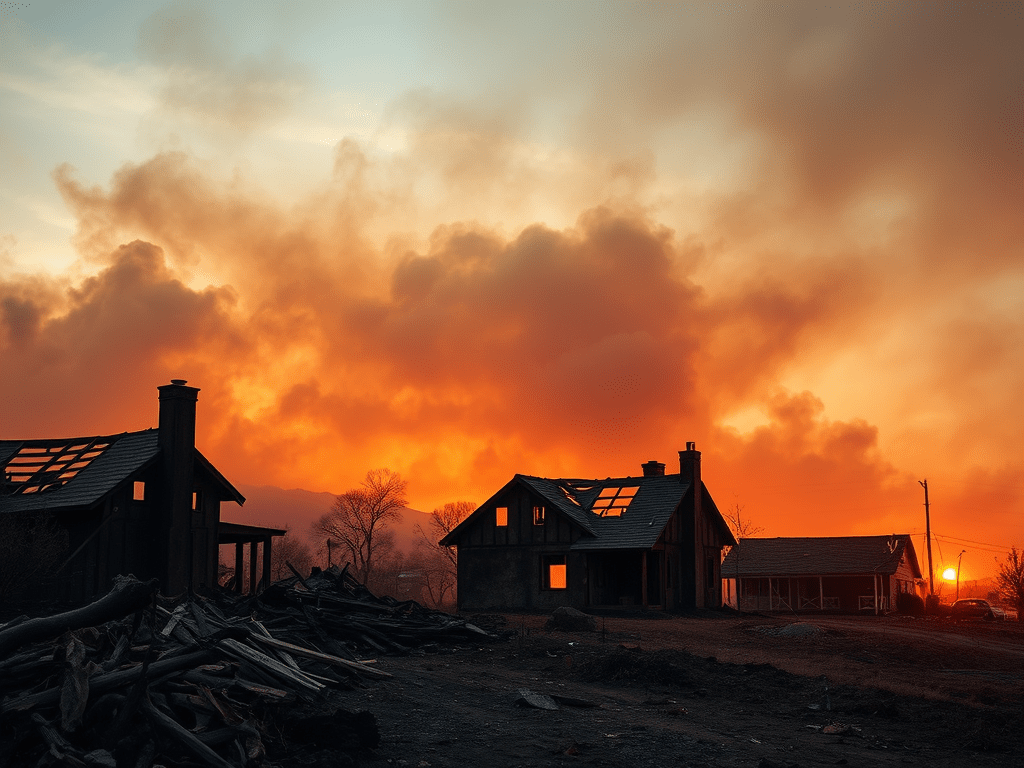
Hearing about LA’s disastrous fire outbreak recently left me wondering how such devastation was even possible.
The recent wildfires in Los Angeles have led to the destruction of approximately 10,000 structures, including homes and buildings, and have tragically resulted in at least 11 fatalities. The heartbreaking impact on families and communities is profound, as many residents have been displaced and left to rebuild their lives.
Several significant factors contributed to this devastation:
- Severe Weather Conditions: Strong winds combined with low humidity created an environment ripe for rapid fire spread. These conditions allowed flames to move with alarming speed across vast areas, quickly overwhelming firefighting efforts.
- Densely Populated Areas: The fires struck densely populated neighborhoods, such as Pacific Palisades and Altadena, leading to enormous property losses and significant disruption for residents.
- Dry Vegetation: Prolonged dry spells have resulted in highly flammable vegetation, providing ample fuel for the fires to consume and expand.
- Resource Allocation Challenges: The simultaneous occurrence of multiple large fires strained firefighting resources, making it exceedingly difficult to contain the blazes effectively.
The combination of these factors created a scenario where the fires could spread rapidly and extensively, leading to the unprecedented destruction witnessed in Los Angeles.
For a visual overview of the situation, you may find the following news report informative:
#LosAngelesFire #WildfireAwareness #CommunityImpact #FireSafety #RebuildTogether


 Experiences - Life - Inspiration 🇨🇭🇯🇵
Leave a comment