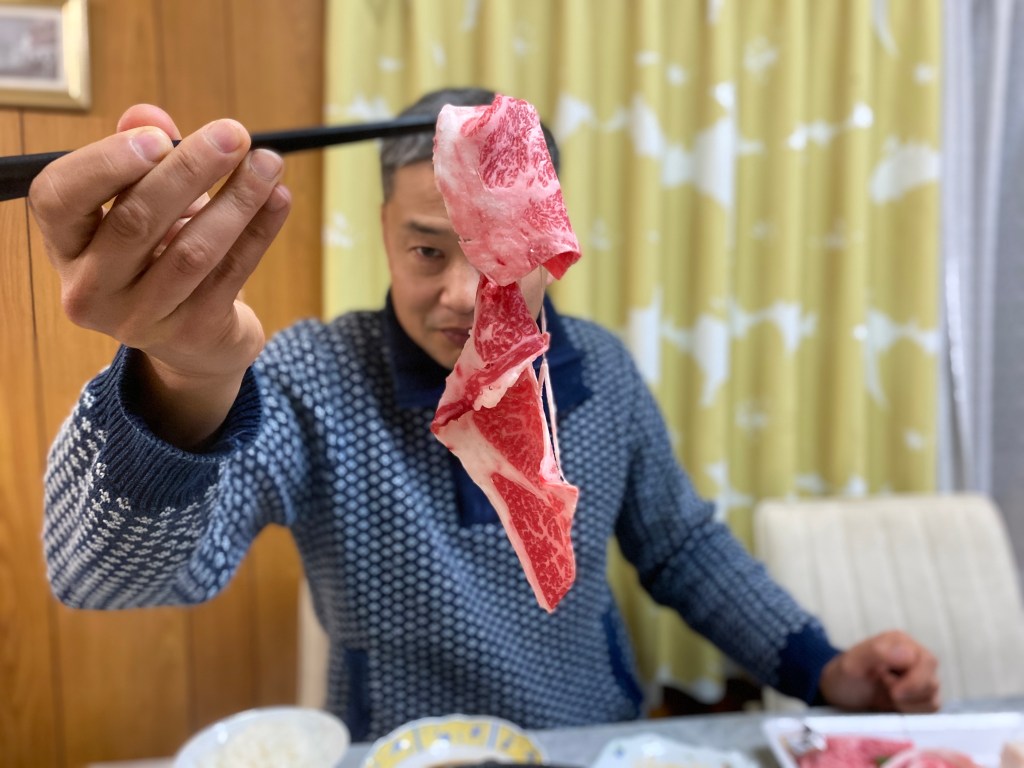
Japanese wagyu is celebrated as one of the finest types of beef globally, known for its exceptional marbling, tenderness, and exquisite flavor. The term “wagyu” (和牛) translates to “Japanese cow,” encompassing specific breeds of cattle raised under stringent conditions to yield premium-quality meat.
Key Characteristics of Japanese Wagyu:
- Marbling (Sashi):
- The hallmark of wagyu beef is its high level of intramuscular fat, producing a luxurious marbled appearance. This marbling creates a buttery texture and delivers a rich, umami-packed flavor that is truly unforgettable.
- Breeds:
- The primary breeds of wagyu include:
- Japanese Black (Kuroge Washu): Renowned for the highest marbling quality.
- Japanese Brown (Akage Washu): Slightly leaner with a nutty flavor profile.
- Japanese Shorthorn (Nihon Tankaku Washu): Offers a robust beefy taste with less marbling.
- Japanese Polled (Mukaku Washu): Rare and recognized for its unique texture.
- The primary breeds of wagyu include:
- Grading System:
- Wagyu is meticulously graded based on yield (A, B, C) and quality (1 to 5). A5 wagyu is the pinnacle of grading, reflecting superb marbling, color, texture, and fat quality.
- Regional Varieties:
- Different regions of Japan produce wagyu with unique characteristics, including:
- Kobe Beef: Hailing from Hyogo Prefecture, it is world-renowned for its unparalleled tenderness.
- Matsusaka Beef: Famous for its intense marbling and delicate sweetness.
- Omi Beef: Known as Japan’s oldest wagyu brand, featuring a mild and juicy profile.
- Hida Beef: From Gifu Prefecture, recognized for its rich flavor and fine marbling.
- Different regions of Japan produce wagyu with unique characteristics, including:
- Diet and Care:
- Wagyu cattle enjoy a specialized diet of rice straw, barley, and corn, and are raised in stress-free environments. Some producers even go the extra mile, pampering the cattle with massages or soothing music to enhance well-being, although these practices vary by producer.
- Cooking:
- To best appreciate its natural flavors, wagyu should be cooked simply. Thin slices are ideal for shabu-shabu or sukiyaki, while thicker cuts shine when grilled or seared to a perfect medium-rare.
Fun Fact:
Wagyu fat melts at a lower temperature compared to other beef fats, resulting in an exquisite melt-in-your-mouth texture that enhances the overall dining experience.
#Wagyu #JapaneseWagyu #BeefLovers #GourmetFood #CulinaryDelight #Foodie #LuxuryDining #GradingSystem #WagyuBreeds #JapaneseCuisine







 Experiences - Life - Inspiration 🇨🇭🇯🇵
Leave a comment