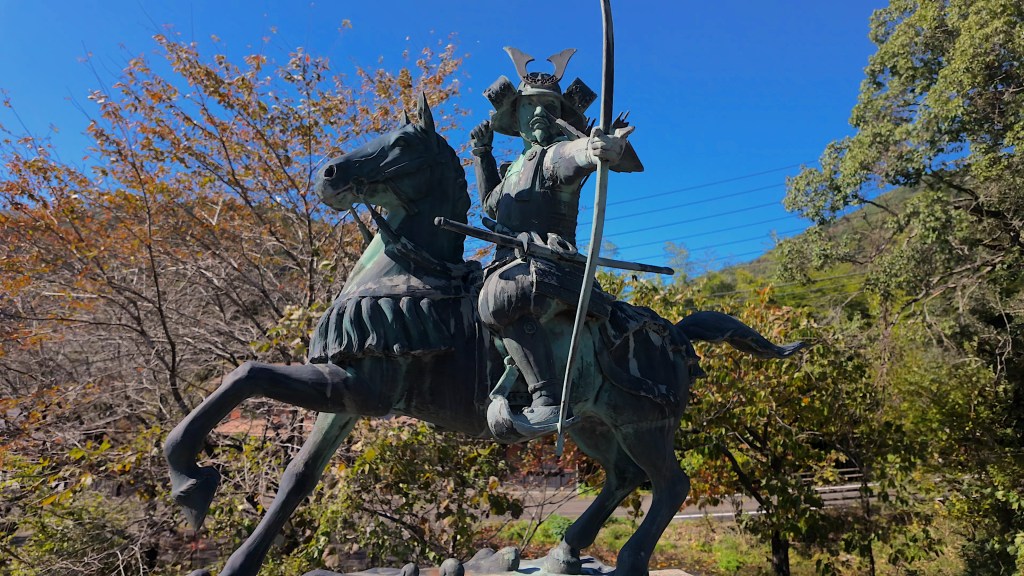
Today is Culture Day, a Japanese holiday I am not familiar with, contrasting significantly with what I have known and experienced in Switzerland and the Netherlands.
So, what is Culture Day exactly?
On November 4, Japan celebrates Culture Day (文化の日, Bunka no Hi), a national holiday dedicated to promoting culture, arts, and academic endeavors. This day serves as an occasion to appreciate Japan’s rich cultural heritage and recognize the significance of artistic achievements in society.
Culture Day has its origins in the post-war era. The holiday was established in 1948 to commemorate the promulgation of Japan’s post-World War II constitution on November 3, 1946, which emphasizes values such as peace, democracy, and human rights.
Some key aspects of Culture Day include:
- Cultural Festivals and Exhibitions: Cities across Japan host a variety of events such as art exhibitions, parades, and performances. These highlight traditional Japanese arts like tea ceremonies, ikebana (flower arranging), and calligraphy, along with contemporary works from painters, musicians, and other creatives.
- Order of Culture Awards: The Japanese government confers awards to individuals who have made significant contributions to the country’s culture, including artists, writers, scientists, and scholars. This award is regarded as one of Japan’s highest honors in the cultural sector.
- School Celebrations: Many schools organize events showcasing students’ artistic and academic works, fostering the development and appreciation of cultural activities from an early age.
Culture Day reflects Japan’s deep-rooted appreciation for both traditional and modern cultural contributions, serving as a reminder of the lasting value of culture and education in Japanese society.
Are there any similar national holidays in Western countries?
Several Western nations have holidays or observances that mirror Japan’s Culture Day, celebrating arts, culture, and national heritage. Here are a few examples:
1. World Culture Day (International)
- When: May 21 (UNESCO-designated).
- This global observance, recognized as the World Day for Cultural Diversity for Dialogue and Development, promotes cultural diversity and awareness, encouraging understanding among different cultural backgrounds.
2. Canada – National Culture Days
- When: Last weekend of September (3-day event).
- Culture Days is a national movement to raise awareness, accessibility, participation, and engagement in the arts and culture sector in Canada. The event includes free events, workshops, and performances nationwide to emphasize the significance of culture.
3. France – Fête de la Musique (Music Day)
- When: June 21.
- This music festival celebrates cultural expression through music, featuring professional and amateur musicians performing in public spaces. The event promotes cultural exchange and free access to musical performances across France and beyond.
4. Germany – Tag des offenen Denkmals (Day of Open Monuments)
- When: Second Sunday in September.
- This event promotes heritage and cultural preservation by opening historic buildings, museums, and cultural landmarks for free to the public, raising awareness of national and local heritage.
5. United States – National Arts and Humanities Month
- When: October.
- A month-long celebration in the U.S. promotes the arts and humanities, encouraging public participation in cultural events. It includes festivals, gallery exhibitions, theater performances, and arts education activities organized by local communities to raise awareness about the importance of arts and culture.
6. UK – Heritage Open Days
- When: September (over several days).
- Similar to Germany’s Day of Open Monuments, the UK’s Heritage Open Days celebrate national and local heritage by providing free access to thousands of historic sites, buildings, and cultural landmarks, emphasizing the importance of preserving history and culture for future generations.
7. European Heritage Days
- When: Varies by country (September is most common).
- Many countries across Europe participate in this initiative, offering open-door events at cultural and historical sites to promote and celebrate Europe’s rich cultural diversity and shared heritage.
While none of these holidays are identical to Japan’s Culture Day, they all share the common goal of celebrating and promoting culture, arts, and heritage. Many emphasize public participation and education, highlighting the importance of cultural understanding and preservation.
#CultureDay #BunkaNoHi #JapaneseCulture #CulturalHeritage #ArtsAndCulture #GlobalCulture #CulturalAwareness #CelebrateDiversity



 Experiences - Life - Inspiration 🇨🇭🇯🇵
Leave a comment