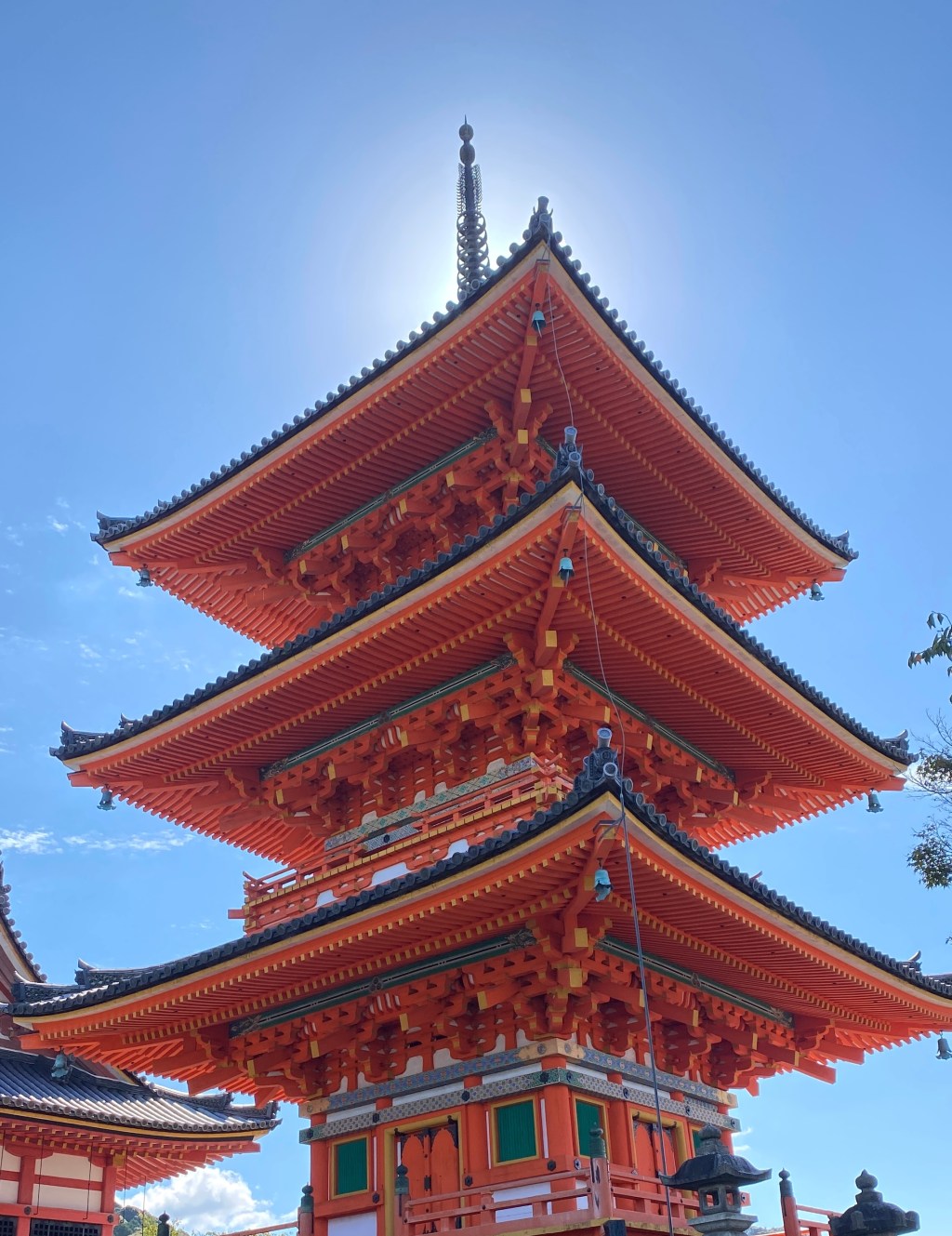
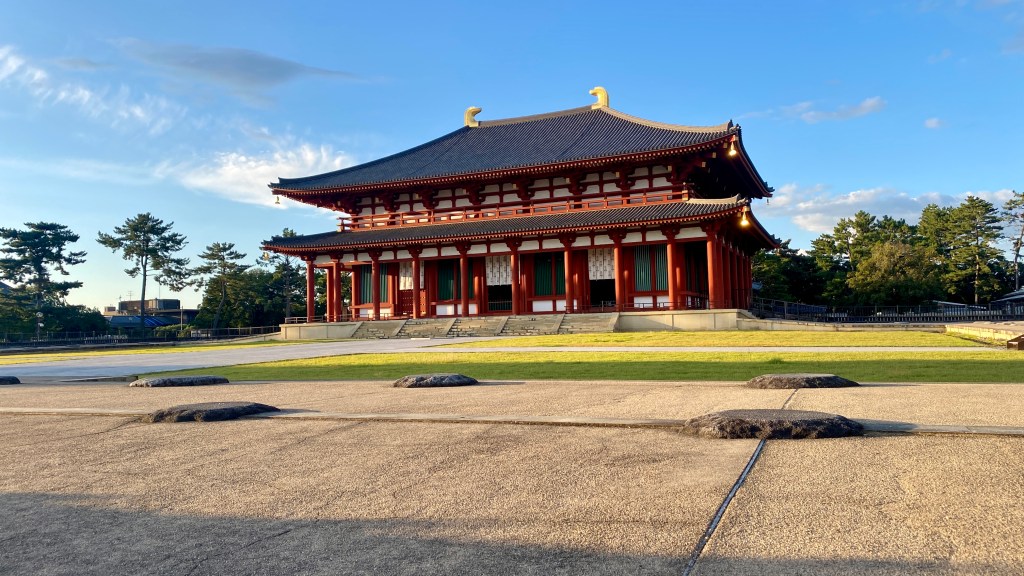
While traveling around Japan and visiting many temples and shrines, I couldn’t help but wonder why some temples and torii (gates) are painted in vibrant red and orange tones, while others are left unpainted in their natural wooden state. After some research, I discovered several cultural, religious, and symbolic reasons for this.
Reasons for Red and Orange Temples:
1. Symbol of Protection
Red and orange are considered protective colors in Japan, believed to ward off evil spirits and negative energy. These vibrant hues were thought to shield the temple or shrine and its visitors from harm. In Shintoism, red symbolizes life and vitality, serving as a safeguard against disasters and diseases.
2. Connection to Spirituality
The color red holds sacred significance in both Shintoism and Buddhism. In Shinto shrines, it symbolizes the life force and energy of deities (kami), while in Buddhist temples, it represents the cycle of birth and rebirth, often associated with protection and renewal.
3. Natural Pigments
Traditionally, the red or orange paint used on temples and shrines was derived from cinnabar (mercury sulfide) or vermilion, highly prized pigments in ancient times. These durable colors stood out against the natural landscape, providing a vibrant and distinct appearance. In some cases, orange tones were achieved by mixing red pigments with natural elements like iron oxide.
4. Imperial and Noble Associations
Red has historical ties to nobility and the imperial family. Painting temples in this color creates a visual connection to power, authority, and sacredness.
5. Psychological Impact
Bright and warm, red and orange colors attract attention and create a welcoming atmosphere. They visually distinguish sacred spaces from everyday environments, signaling a transition into a place of reverence and spirituality. Iconic examples of this tradition include the Fushimi Inari Shrine in Kyoto, with its famous red torii gates.
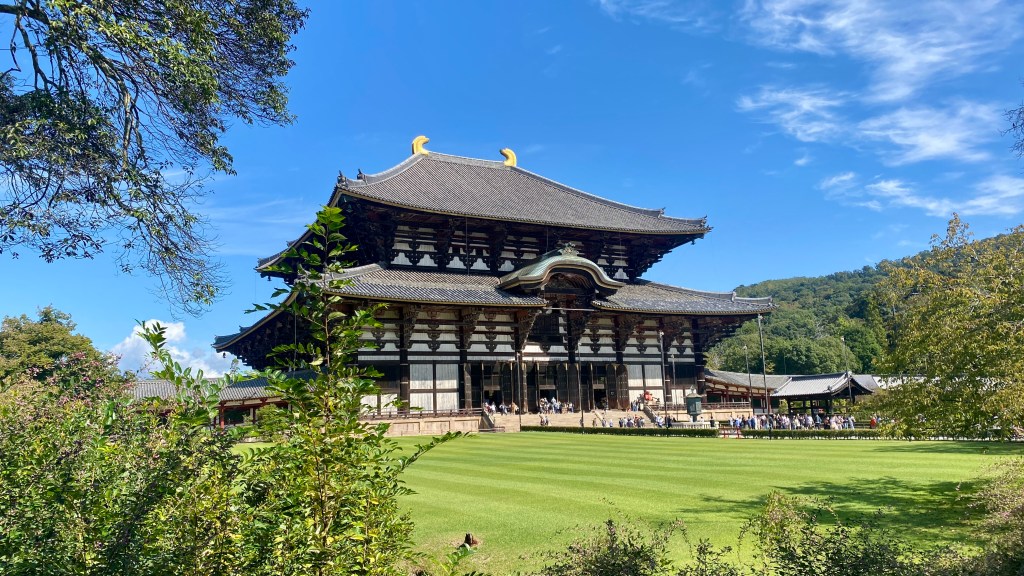
Temples Left in Their Natural Wooden State:
On the other hand, some Japanese temples are left unpainted, showcasing their natural wood color for various cultural, aesthetic, and spiritual reasons. The use of exposed wood aligns with key principles in Japanese architecture and philosophy:
1. Wabi-Sabi Aesthetic (Beauty in Imperfection and Simplicity)
The unpainted wood reflects the traditional Japanese aesthetic of wabi-sabi, which embraces simplicity, imperfection, and the natural beauty of aging materials. The weathering of the wood over time symbolizes the transience of life, a core concept in Japanese philosophy.
2. Connection to Nature
Many Japanese temples aim to harmonize with their natural surroundings. Exposing the wood makes the temple feel integrated with the landscape, creating a peaceful and meditative atmosphere that fosters a deeper spiritual connection with nature. This philosophy is rooted in Shintoism, which emphasizes reverence for nature and the presence of deities in natural elements.
3. Respect for Craftsmanship and Materials
Japanese carpentry is renowned for precision and skill in temple construction. Exposing the natural wood highlights the craftsmanship involved, celebrating the artisan’s work and the beauty of the materials. The Ise Grand Shrine, one of Japan’s sacred Shinto shrines, is rebuilt every 20 years using unpainted cypress wood, honoring craftsmanship, renewal, and continuity.
4. Religious Symbolism
In some Zen Buddhist temples, the use of unpainted wood reflects simplicity, humility, and non-attachment. The plainness in these structures aligns with Zen teachings, emphasizing minimalism and inner reflection.
5. Durability and Practicality
Certain woods, like Japanese cypress (hinoki) and cedar (sugi), are naturally durable and can withstand the elements beautifully without paint. These woods develop a silver or gray patina over time, further enhancing the structure’s connection to its environment.
6. Historical Continuity
Many older temples were originally built using unpainted wood, maintaining a sense of continuity with the past and preserving the authenticity of traditional Japanese architecture. Temples such as the Todaiji Temple in Nara, which houses the Great Buddha, and Zen temples like Ryoanji in Kyoto, exemplify structures primarily using unpainted wood, embodying these principles.
#Japan #Temples #Shrines #CulturalHeritage #WabiSabi #Shintoism #Buddhism #Architecture #Spirituality #Nature #Tradition




 Experiences - Life - Inspiration 🇨🇭🇯🇵
Leave a comment