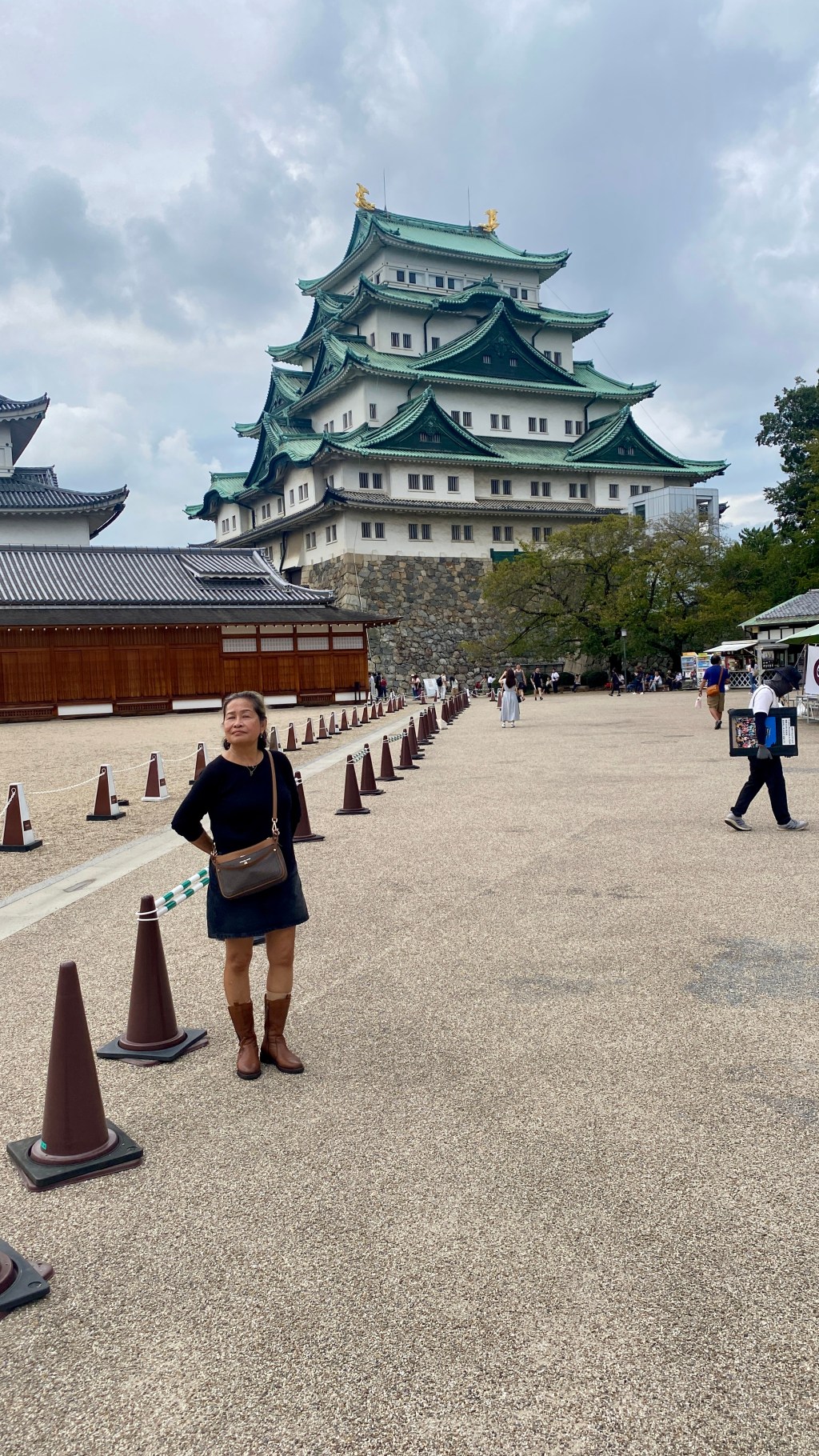
Despite living only half an hour away from Nagoya, I had never visited Nagoya Castle before. In fact, it never even occurred to me to go there for some reason.
Today, my mom wanted to visit Nagoya Castle, and I decided to go along since I wouldn’t have visited it on my own. After visiting Nagoya Castle today, I discovered its historical and cultural importance, which I want to share with you now.
Nagoya Castle, located in Nagoya, Aichi Prefecture, is one of Japan’s most famous and historically significant castles. Originally built in 1612 by order of Tokugawa Ieyasu, the founder of the Tokugawa shogunate, the castle formed part of his strategy to consolidate power in central Japan. It played an essential role in the political and military history of the region and remains a symbol of Nagoya.
Key Features:
- Donjon (Tenshukaku): The main tower, or donjon, is a five-story structure that once served as a symbol of Tokugawa power. It was one of the largest donjons in Japan, known for its impressive scale and elegant architectural details. The original donjon was destroyed during air raids in World War II but was reconstructed in 1959 using concrete.
- Golden Shachihoko: Nagoya Castle is home to a pair of golden shachihoko, mythical creatures with the body of a fish and the head of a tiger, perched on the roof. These shachihoko were believed to protect the castle from fire and are now a well-known symbol of the city.
- Honmaru Palace: The Honmaru Palace, once the residence of the lords of Nagoya, was famous for exquisite art, including fusuma-e (sliding door paintings) and tatami rooms. The original palace also fell victim to World War II destruction, but a detailed reconstruction project was completed in 2018, faithfully replicating the grandeur of the original with beautifully restored interiors showcasing Edo-period craftsmanship and design.
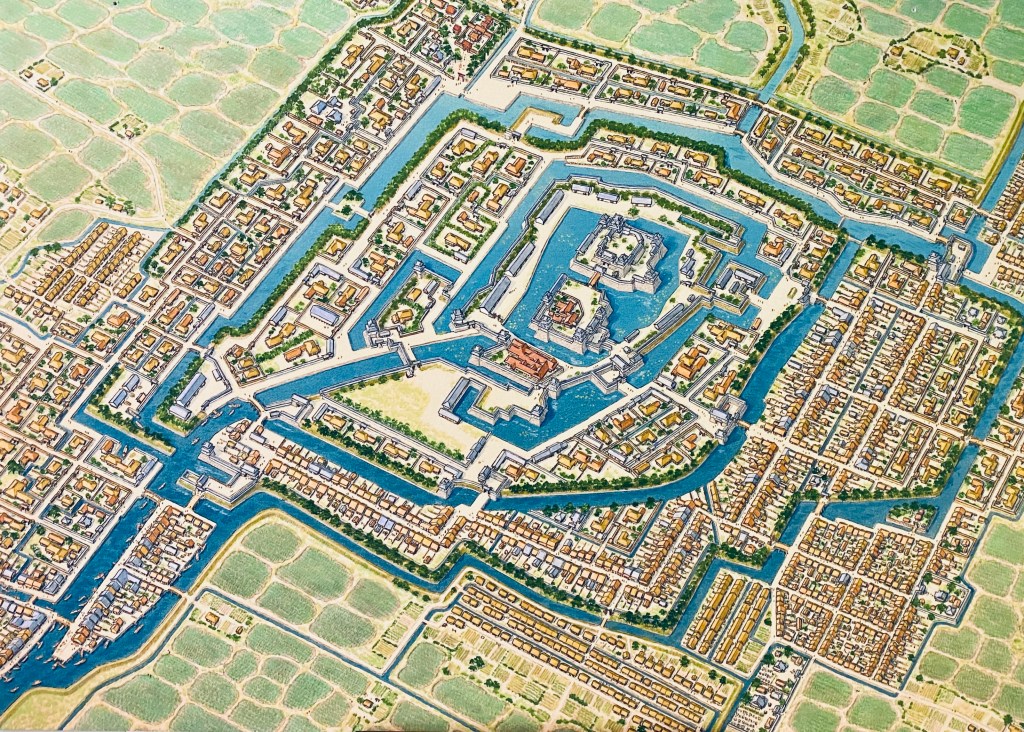
- Gardens and Surroundings: The castle grounds include beautiful gardens and moats that surround the structure. The tranquil setting provides a peaceful atmosphere, perfect for strolling and enjoying views of the castle and its surroundings.
Historical Significance:
- Construction and Strategic Location: Nagoya Castle was built as a key military and political base for the Tokugawa shogunate, controlling the Tokaido road, a vital route connecting Edo (Tokyo) and Kyoto. The castle helped secure Tokugawa control over central Japan and deter rivals from challenging the shogunate’s authority.
- Owari Tokugawa Clan: The castle became the residence of the Owari branch of the Tokugawa family, one of the three main branches permitted to provide heirs to the shogunate. The Owari Tokugawa played a crucial role in supporting the Tokugawa regime during the Edo period.
- Destruction and Reconstruction: Heavily bombed during World War II, Nagoya Castle lost much of its original structure, including the main keep and palace. However, the city of Nagoya launched efforts to rebuild, with the donjon reconstructed in 1959 and the Honmaru Palace completed in 2018. This reflects the city’s commitment to preserving its cultural heritage.
Current Status:
Nagoya Castle is now a major tourist attraction, drawing visitors interested in Japan’s feudal history, architecture, and culture. The reconstructed palace is a highlight, offering a glimpse of Edo-period living quarters and ornate rooms decorated with traditional art. Plans are underway to rebuild the donjon using traditional wooden methods, replacing the 1959 concrete structure with a more authentic reconstruction; this project is ongoing.
The castle grounds also host various cultural events throughout the year, including cherry blossom viewings in spring, festivals, and traditional performances, making Nagoya Castle an essential cultural landmark of the city.
#NagoyaCastle #JapanHistory #CulturalLandmarks #EdoPeriod #TravelJapan #HistoricSites #Architecture #TourismJapan




 Experiences - Life - Inspiration 🇨🇭🇯🇵
Leave a comment