
Yesterday, we paid a visit to Magome-Juku and Tsumago-Juku, two enchanting towns that transport you back to old Edo Japan. If you’re looking to immerse yourself in history and culture during your trip, these destinations are a must-see. Here’s why you should explore them.
Magome-juku and Tsumago-juku are beautifully preserved post towns along the Nakasendo, an ancient highway that connected Edo (modern-day Tokyo) to Kyoto during the Edo period (1603-1868). Their traditional buildings, cobblestone streets, and stunning mountain scenery provide a captivating glimpse into the past.
Magome-Juku:
- Location: Nestled in the Kiso Valley of Gifu Prefecture, Magome-juku is the 43rd station along the Nakasendo.
- Historical Significance: This town historically served as a resting point for travelers, including samurai, merchants, and pilgrims journeying between Edo and Kyoto.
- Features:
- Restored Edo-period architecture: Magome features meticulously restored, narrow, sloping streets lined with wooden inns, shops, and homes.
- Panoramic views: The town offers breathtaking vistas of surrounding mountains, particularly Mount Ena.
- Magome-Tsumago Trail: This scenic 8-kilometer trail connects Magome to Tsumago, inviting visitors to experience both towns and the stunning nature in between.
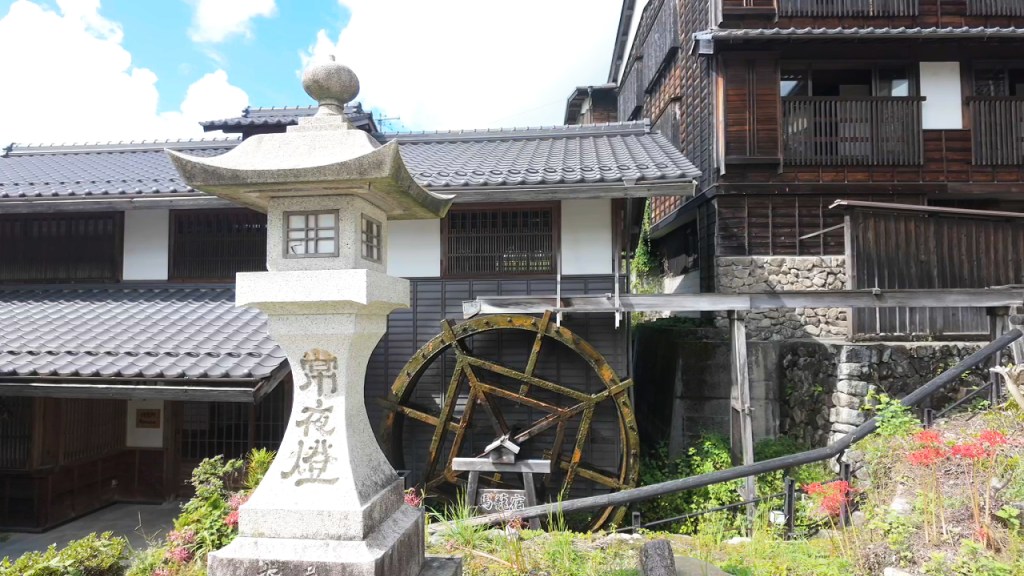
Tsumago-Juku:
- Location: Located in Nagano Prefecture, Tsumago-juku is the 42nd station of the Nakasendo, just north of Magome.
- Historical Significance: Tsumago is renowned as one of the best-preserved post towns in Japan, largely untouched since the Edo period.
- Features:
- No modern intrusions: Tsumago enforces strict rules to maintain its historical authenticity, prohibiting visible modern utilities like telephone poles and cables.
- Restored traditional homes: Historical inns and homes, such as the Honjin (the primary inn for high-ranking officials) and Wakihonjin (the secondary inn), have been beautifully restored and are open for viewing.
- Historical ambiance: Strolling through Tsumago feels like stepping back in time, with its quiet streets and well-preserved structures.
- Nagiso Museum of History: Nearby, this museum delves into the area’s history and the significance of the Nakasendo.

Magome-Tsumago Trail:
The scenic hike connecting these towns is a popular attraction for tourists. The trail meanders through the Kiso Valley, showcasing rice paddies, forests, waterfalls, and traditional farms. This 2 to 3-hour walk is well-marked with English signs, making it accessible for travelers. Visitors can even arrange for their luggage to be transported between towns, enhancing the hiking experience.
Both Magome and Tsumago offer a nostalgic journey into Japan’s rich past, making them ideal for those interested in history, culture, and natural beauty. Don’t miss out on these charming towns during your travels!
#Magome #Tsumago #EdoJapan #Nakasendo #CulturalTravel #HistoricalJapan #NatureHike #JapanTravel #ExploreJapan






 Experiences - Life - Inspiration 🇨🇭🇯🇵
Leave a comment