
The rainy days don’t stop my mom from exploring Gifu, even in the worst torrential rains.
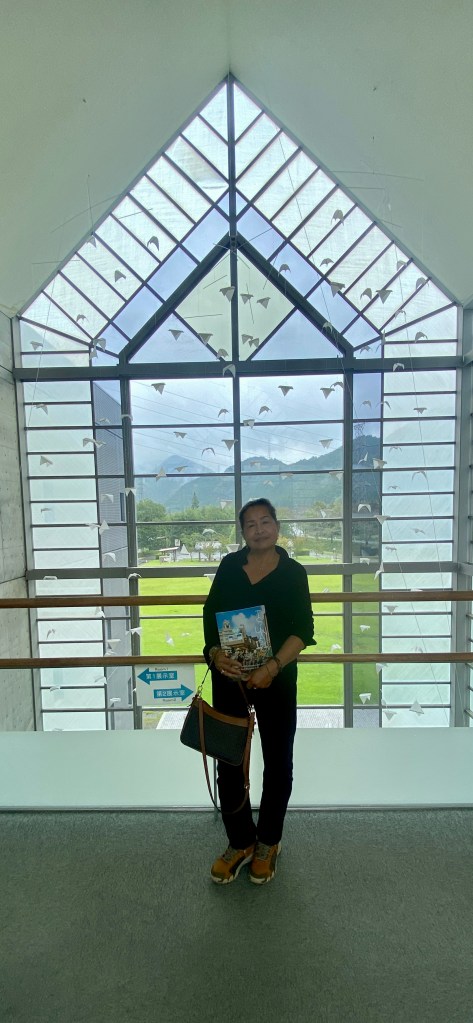
While we sometimes dodged the heavy downpours, finding refuge in the Mino Washi Museum and a charming café nestled in one of the Mino Udatsu Style houses, we managed to stroll around and appreciate the enchanting old town between showers. It wasn’t the ideal weather for exploration, but we still enjoyed the rich cultural heritage of Mino.
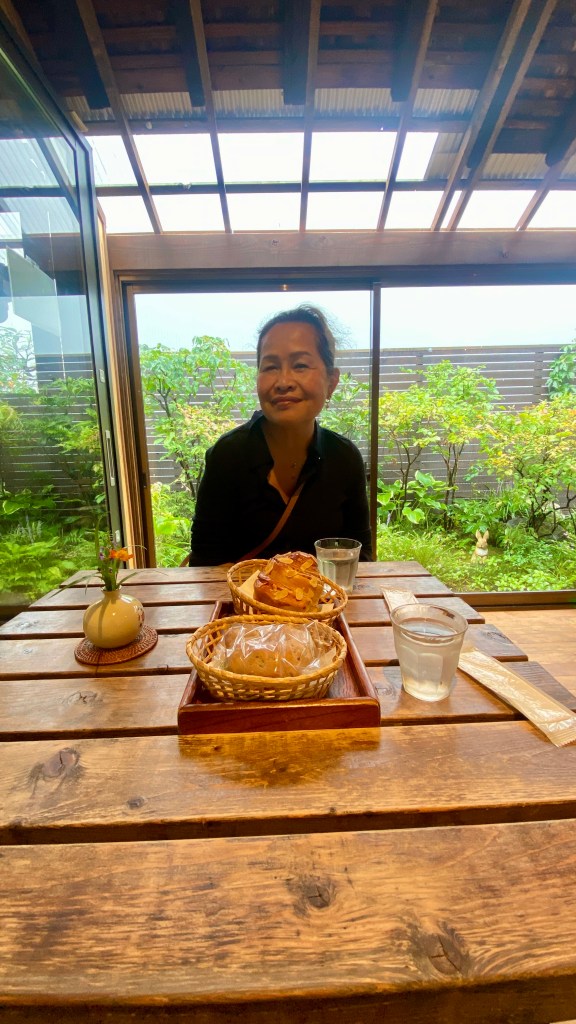
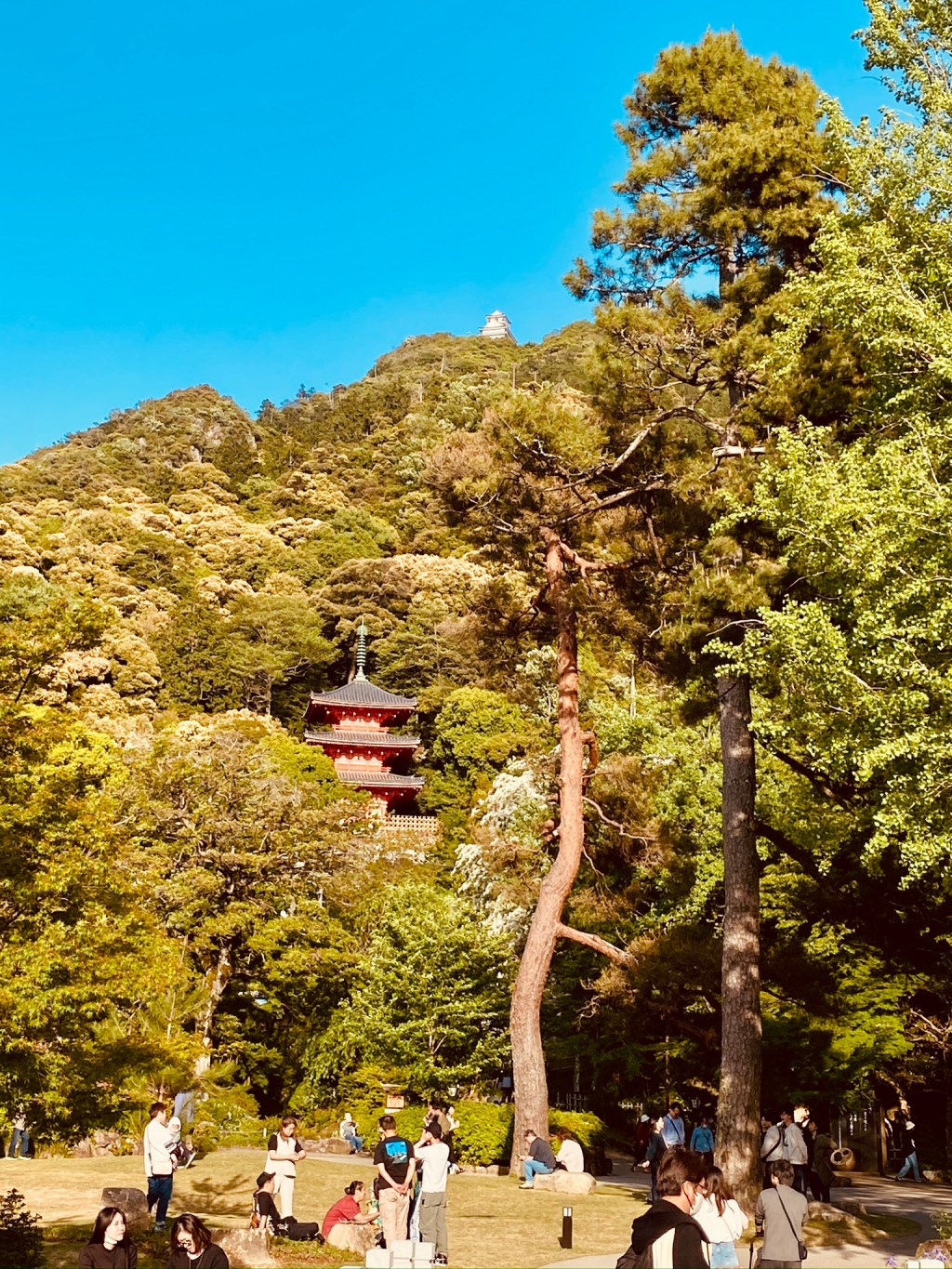
Fortunately, the rain subsided, allowing us to explore Kawaramachi and Gifu Park later in Gifu City after our visit to Mino.
My mom wisely pointed out that even if the weather had been absolutely perfect, we would have chosen to visit and explore Mino and Gifu City just the same.
Perhaps my mom and I are simply stubborn, determined to pursue our plans regardless of the weather. I might have inherited that stubbornness from her, and together we tackled the rainy conditions.
Anyway, I learned something fascinating about washi paper today that I want to share.
Mino Washi, the traditional handmade paper from Mino City in Gifu Prefecture, is one of Japan’s oldest and most revered types of washi. Its production dates back over 1,300 years to the Nara period (710-794) and has become a significant cultural heritage. Mino Washi is celebrated for its fine texture, durability, and translucency, gaining a reputation for its quality and artistic value.
Characteristics of Mino Washi
Mino Washi is primarily made from the fibers of the kozo (mulberry) tree, which is carefully harvested, steamed, and processed by hand. This labor-intensive method creates exceptionally strong yet thin paper, known for its soft, silky touch and subtle texture. Artisans use techniques passed down through generations, ensuring each sheet is crafted with precision.
Role in Japanese Culture and Art
Mino Washi serves various purposes, including shoji screens, sliding doors, lanterns, calligraphy, and official documents due to its strength and longevity. Its significance in Japanese art is notable, particularly in paper art, painting, and crafts. The lightweight yet durable nature of the paper makes it suitable for everyday use and artistic endeavors.
In 2014, Mino Washi was designated as a UNESCO Intangible Cultural Heritage, alongside other washi-making traditions in Japan. This recognition underscores the cultural importance of Mino Washi in preserving traditional craftsmanship.
Contribution to Global Paper Production
While Mino Washi is distinctly Japanese, it played a crucial role in developing paper production techniques that have influenced the world. The meticulous washi-making methods gained global acclaim for their superior quality, inspiring various paper-making traditions, particularly in creating high-quality, handmade papers for art and conservation.
The washi-making techniques from Mino and other regions have been foundational in advancements in fine art paper production, impacting paper crafts in Europe and the West. During the 19th and 20th centuries, when Japan opened up during the Meiji Restoration, many Japanese arts, including paper production, were introduced to the West, influencing printing, bookbinding, and preservation practices.
In the modern world, Mino Washi continues to be used for art conservation, as its durability and acid-free nature make it ideal for restoring ancient manuscripts, documents, and artworks. This contribution to preservation and archival work highlights its global significance, ensuring cultural and historical materials are maintained for future generations.
Legacy and Preservation
Today, the legacy of Mino Washi thrives through traditional workshops and modern innovations. Mino City promotes the craft through the Mino Washi Museum, where visitors can learn about its history and even try making their own washi. This effort ensures that the art of Mino Washi remains vibrant, bridging ancient tradition with contemporary art.
Overall, Mino Washi represents a deep cultural legacy within Japan and has shaped global developments in papermaking, art, and conservation. Its history, craftsmanship, and ongoing influence make it a significant part of the world’s papermaking heritage.
#Gifu #MinoWashi #JapaneseCulture #ArtisanCrafts #WashiPaper #TravelJapan #CulturalHeritage




 Experiences - Life - Inspiration 🇨🇭🇯🇵
Leave a comment