
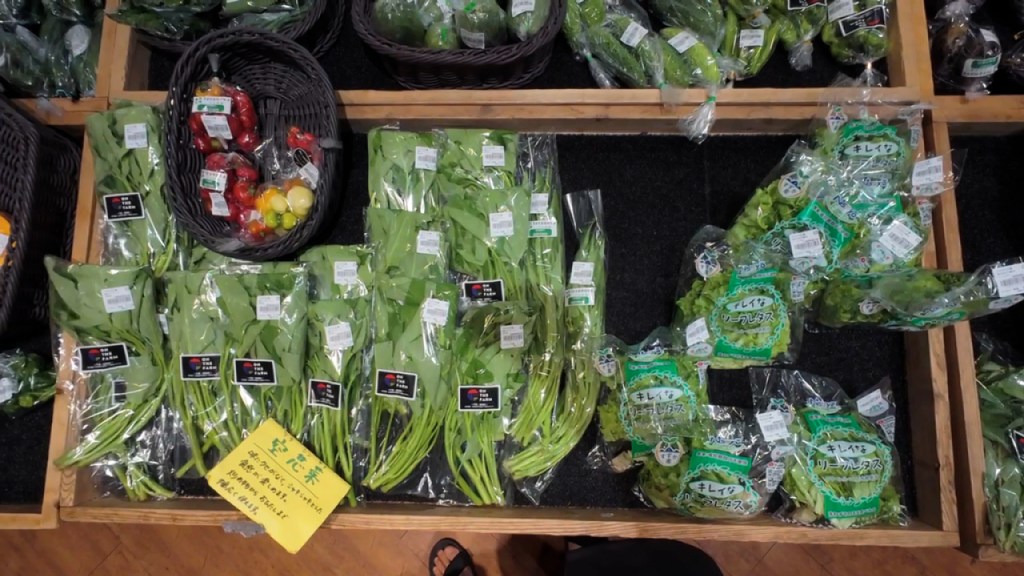
Ever since I relocated to Japan, my diet has undergone a drastic change. Apart from the daily bowl of Japanese rice, I have incorporated many Japanese vegetables into my meals, which were basically never a part of my diet back in Europe. Let me introduce these vegetables and then ask if you are familiar with them.
Typical Japanese vegetables used in home cooking include:
- Daikon (大根) – A large white radish, often used in soups, stews, pickles, and salads.
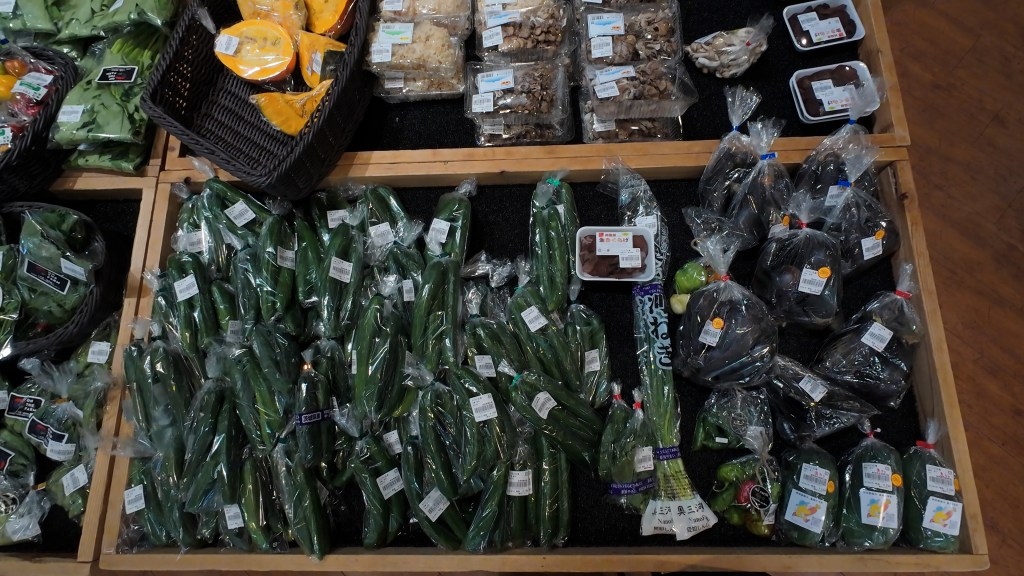
- Nasu (茄子) – Japanese eggplant, smaller and more tender than Western varieties, used in dishes like stir-fries, tempura, and grilled preparations.
- Shiitake (椎茸) – A type of mushroom with a rich, savory flavor, used in soups, stir-fries, and simmered dishes.
- Shiso (紫蘇) – Also known as perilla leaf, used fresh in salads, sushi, and as a garnish.
- Negi (ネギ) – A type of green onion or leek, often used in soups, hot pots, and as a topping for various dishes.
- Kabocha (かぼちゃ) – A type of Japanese pumpkin or squash, with a sweet flavor, commonly used in soups, tempura, and stews.
- Komatsuna (小松菜) – Japanese mustard spinach, used in stir-fries, soups, and salads.
- Renkon (蓮根) – Lotus root, often sliced and used in stir-fries, salads, and simmered dishes for its crunchy texture.
- Takenoko (竹の子) – Bamboo shoots, used fresh or preserved in a variety of dishes, such as stir-fries and soups.
- Gobo (ごぼう) – Burdock root, known for its earthy flavor and used in simmered dishes and kinpira (a stir-fried dish).
- Mizuna (水菜) – A type of Japanese mustard green with a peppery flavor, used in salads, soups, and nabe (hot pots).
- Enoki (えのき茸) – Enoki mushrooms, with long, thin stems and small caps, often used in soups, salads, and hot pots.
- Ninjin (人参) – Carrots, used widely in simmered dishes, pickles, and stir-fries.
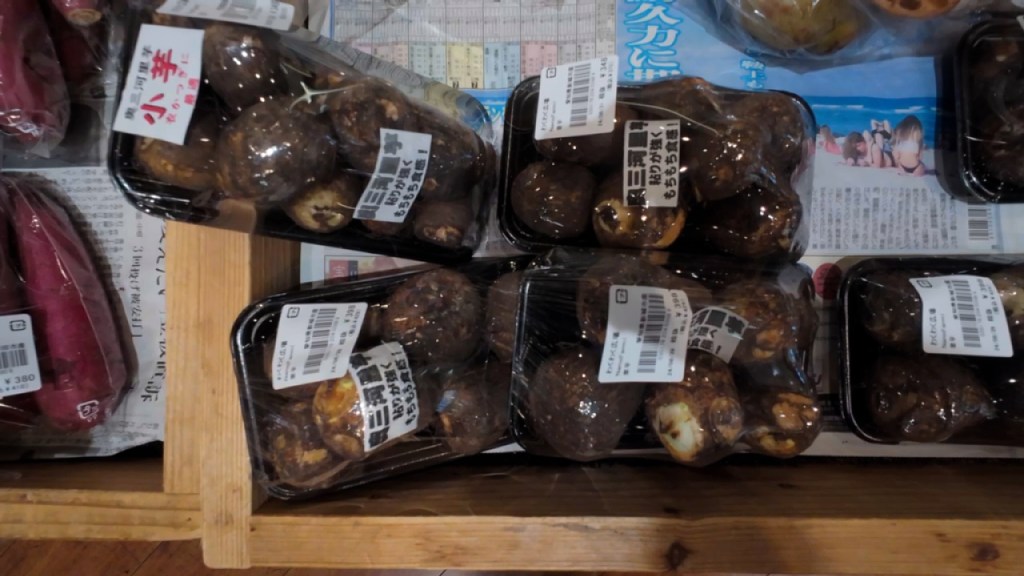
- Satoimo (里芋) – Taro root, used in stews, soups, and simmered dishes.
- Kyuri (きゅうり) – Japanese cucumbers, smaller and with a thinner skin than Western cucumbers, often used in pickles and salads.
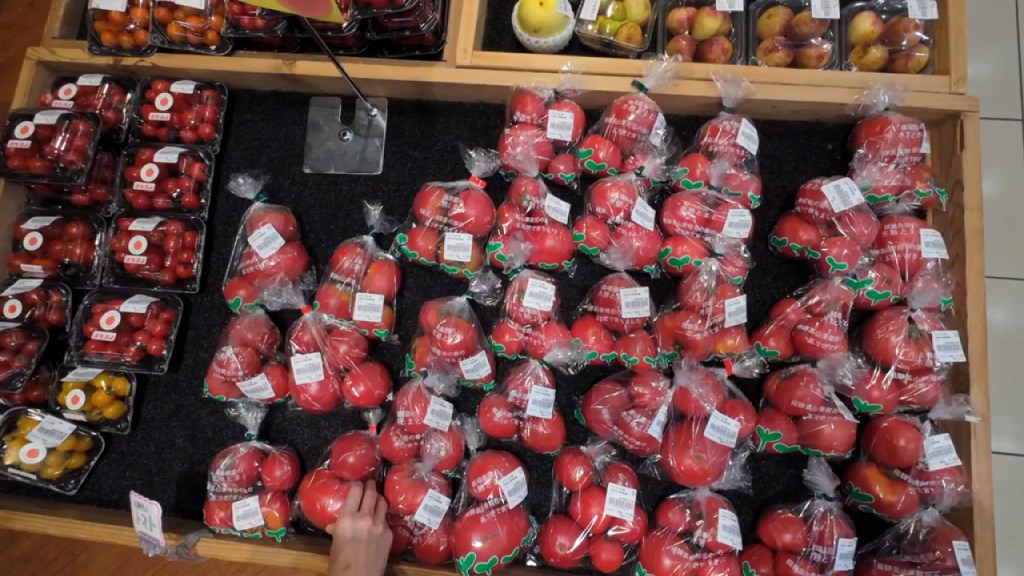
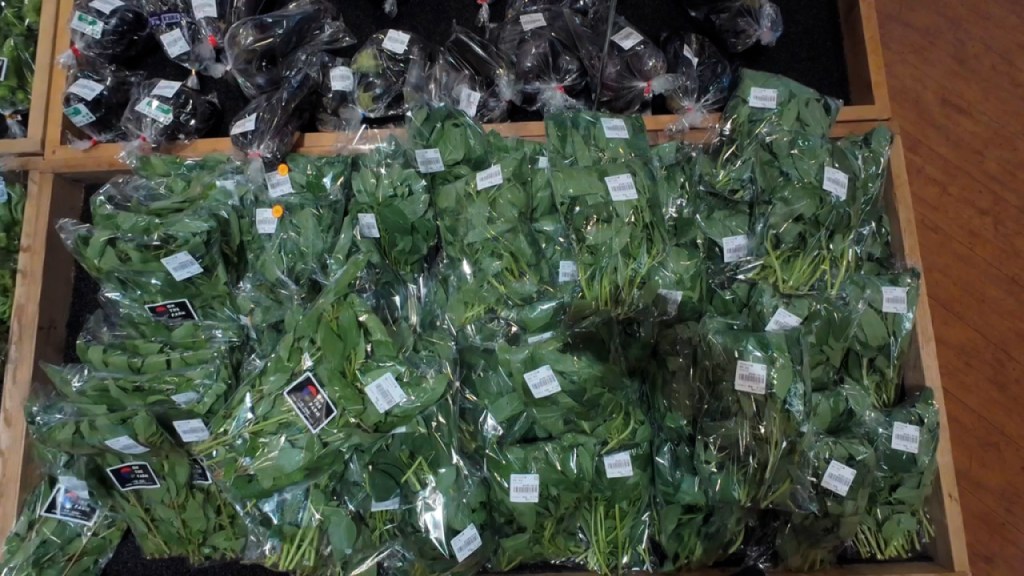
These vegetables are a key part of Japanese home-cooked meals, adding variety and nutrition to everyday dishes. My wife and mother-in-law often buy these from the grocery stores, as they are as readily available as potatoes and carrots in European grocery stores. Many neighbors and my mother-in-law also grow these vegetables in their private gardens and often share their surplus with us for personal consumption. Another popular vegetable found in shops around here, especially when in season, is the sweet potato. It is often sold baked and ready for immediate consumption.
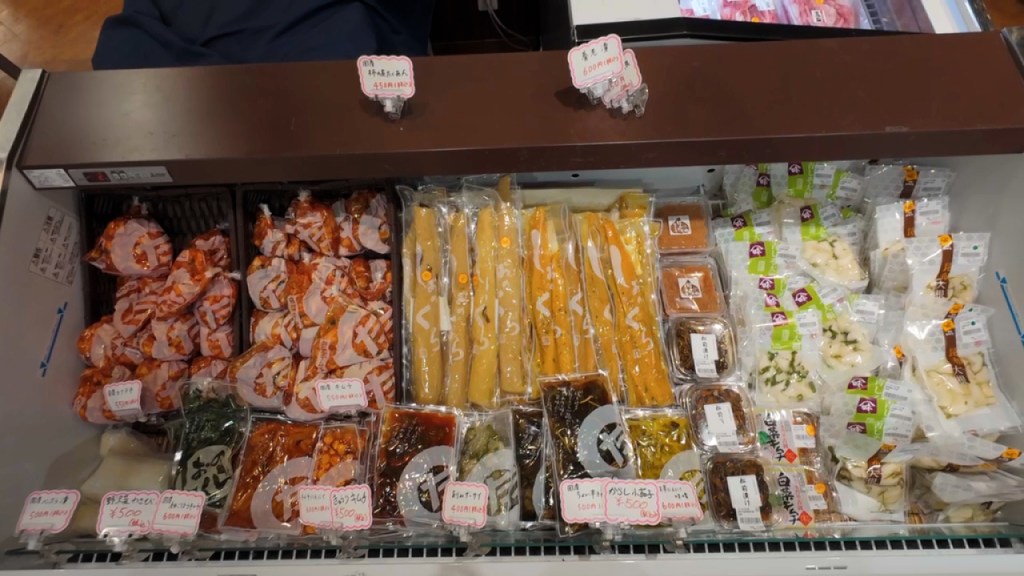
During my first few months living in Japan, these ingredients were foreign and new to me, but now they have become an integral part of my life and diet, as if they were always a part of it. Admittedly, I am not the one preparing these vegetables, as I have no clue how to exactly prepare and season them. Typically, sweet vinegars, different kinds of soy sauces, and sesame seeds are used to marinate these vegetables. Most of the time, these vegetables are lightly fried or boiled and left to cool before consumption. Additionally, the mushrooms are often used in miso soups, and wakame (seaweed) is frequently added to the miso soup. Miso soups have also become a part of my daily consumption.
In Japanese home cuisine, a variety of dishes are served. Apart from the bowl of rice and miso soup, or sometimes only dashi (a light fish broth), 3-5 small vegetable dishes are served, along with a piece of fish or a small portion of meat. In comparison to European cuisine, meals are not served on one large plate but rather in smaller bowls.










 Experiences - Life - Inspiration 🇨🇭🇯🇵
Leave a comment