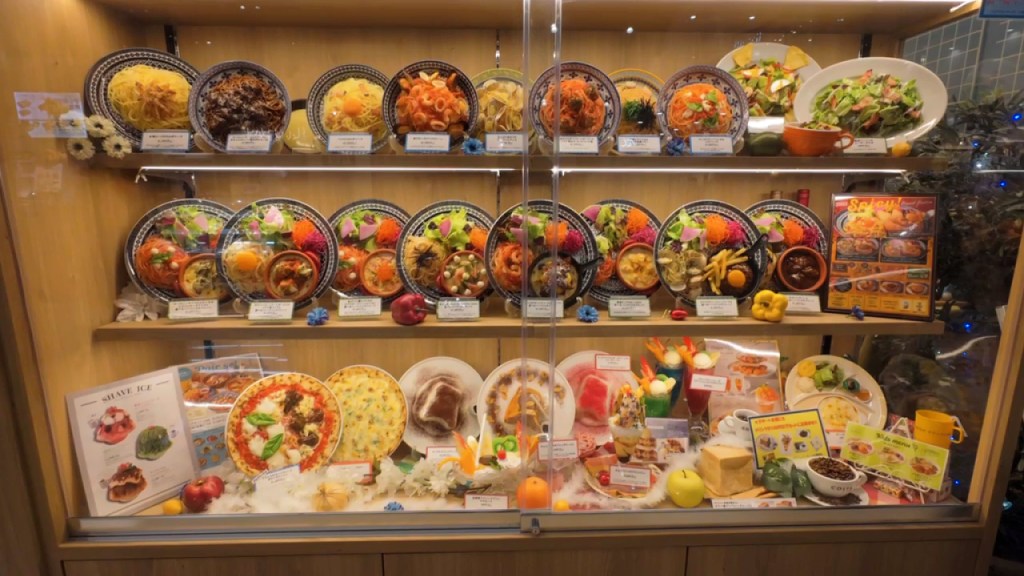
Japan’s Gujo Hachiman is a surprising hub for the production of food replicas, known as sampuru (サンプル). This craft, derived from the English word “sample,” is an incredibly realistic art form, primarily used to display menu items in restaurant windows. The town’s artisans have perfected the meticulous process of creating these lifelike replicas, drawing tourists and enthusiasts from around the world.
History and Craftsmanship
The tradition of making food replicas in Japan dates back to the 1920s, with Gujo Hachiman being one of its birthplaces. Skilled craftsmen quickly gained renown for their ability to create realistic replicas, particularly during the post-war economic boom when displaying food samples became a widespread marketing tool.
The process of crafting sampuru involves a combination of artistry, chemistry, and traditional craftsmanship. While wax was historically used, durable and versatile plastics like vinyl chloride and silicone are now the primary materials, allowing for greater detail, durability, and color vibrancy. The meticulous process includes molding, shaping, hand-painting, and the final assembly of the replicas, ensuring every small detail is captured.
Trends and Innovations
Beyond restaurant displays, Gujo Hachiman offers workshops for tourists to create their own food replicas, contributing to the preservation and promotion of this traditional craft. Additionally, food replicas have found new markets as novelty items, educational tools, and even home decor. Some artisans are also integrating modern technology like 3D printing and silicone molds to create even more intricate designs.
Cultural Significance and Where to Experience Sampuru
Sampuru reflects Japan’s deep appreciation for aesthetics and detail, extending even to the culinary experience. It has also supported local economies, particularly in Gujo Hachiman, where workshops and sales of sampuru have become vital to the tourism industry. To experience this unique craft, visitors can explore Sample Village Iwasaki and Sample Kobo, where they can delve into the history and creation of sampuru.
Conclusion
The art of crafting sampuru from Gujo Hachiman is a captivating blend of tradition, art, and innovation, offering a unique glimpse into Japan’s rich cultural tapestry.
#JapanCulture #SampuruArt #GujoHachimanCraftsmanship




 Experiences - Life - Inspiration 🇨🇭🇯🇵
Leave a comment