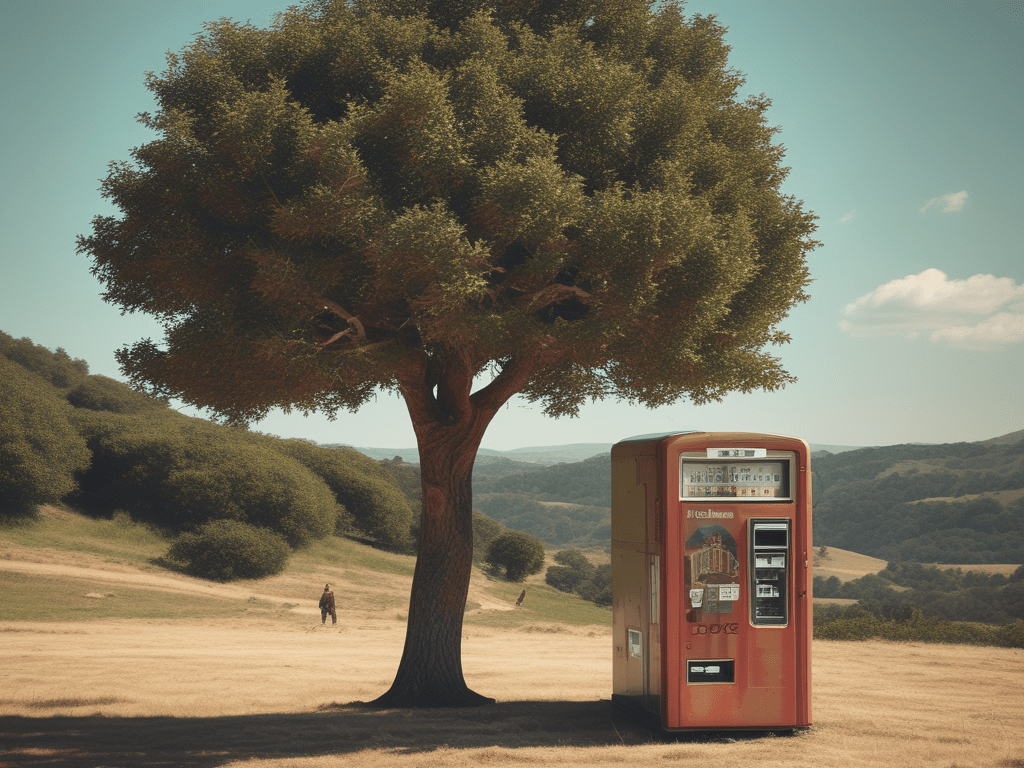
Japan boasts some of the most extraordinary vending machines I’ve ever encountered. A while back, during a trip to Sapporo with my spouse, we stumbled upon a vending machine at a bus terminal that actually baked and dispensed pizza as if it were just out of the oven. It was truly astounding!
The history of Japanese vending machines is quite fascinating. Rather than springing from a single inventor, they evolved over time through the contributions of various companies and individuals. While the concept was initially introduced in the early 20th century, it wasn’t until after World War II that vending machines really took off and saw significant innovation.
The first known vending machine in Japan dates back to 1888 and was created by Tawaraya Koshichi. This machine sold tobacco, marking the humble beginnings of a phenomenon that would later become a ubiquitous part of Japanese culture. The real tipping point for vending machines in Japan came in the 1960s, when companies like Fuji Electric and Sanden began developing advanced machines that offered refrigeration, heating options, and various payment methods.
The rapid development of Japanese vending machines was driven by factors such as Japan’s dense urban population, a culture of convenience, and a strong focus on technological innovation. This has resulted in vending machines becoming an integral part of everyday life in Japan, renowned for their diversity, widespread availability, and efficiency.
Before moving to Japan, I hardly ever used vending machines. During my time in the Netherlands in the 90s, I remember encountering vending machines at train stations, often tempted to buy some snacks on my way home.
Come to think of it now, I did use vending machines more often back in the 90s when I started eating Dutch krokets for the first time in my life. Perhaps you may have seen it yourself if you have visited the Netherlands before. And if you are a Dutch reader, then you probably already guessed what I am referring to. It’s called FEBO.
FEBO is a popular Dutch fast food chain known for its unique and convenient method of food service through automated vending machines. Established in 1941 by Johan de Borst, FEBO originally began as a bakery in Amsterdam. The concept evolved over time, and by the 1960s, the company introduced its signature automatiek, a wall of vending machines that dispense freshly prepared snacks.
Key Features of FEBO:
- Automatiek System: The most distinctive feature of FEBO is its automatiek, a wall with small, heated compartments that dispense snacks. Customers can insert coins or use a contactless payment method to open a compartment and grab their food instantly. This setup provides a quick, easy, and unique dining experience, allowing for self-service and reducing wait times.
- Popular Snacks: FEBO is famous for its traditional Dutch snacks, such as kroketten (croquettes), frikandellen (a type of minced meat sausage), kaassoufflés (fried cheese-filled pastries), and bitterballen (fried meatballs). The chain also offers fries and hamburgers, catering to various tastes.
- Freshly Made: Despite the vending machine concept, FEBO prides itself on freshness. All snacks are prepared daily in their central kitchen and then distributed to the various locations. The compartments in the automatiek are regularly refilled to ensure that the food is always fresh and hot.
- Cultural Icon: FEBO has become a cultural icon in the Netherlands, often associated with late-night snacks or a quick bite after a night out. The brand has capitalized on its retro appeal and quirky, fast-food approach, making it a beloved part of Dutch culinary culture.
- Locations and Expansion: FEBO has numerous outlets throughout the Netherlands, particularly in urban areas. They have remained predominantly a Dutch phenomenon, although their unique approach has attracted international curiosity.
- Sustainability and Innovation: In recent years, FEBO has also introduced sustainable initiatives, like biodegradable packaging and vegetarian snack options, to adapt to changing consumer preferences and environmental concerns.
Overall, FEBO combines convenience, tradition, and novelty, making it a standout in the world of fast food. Its vending machine model is reminiscent of Japanese vending culture, but with a distinctly Dutch twist focused on local flavors and fresh ingredients.
But why am I talking about vending machines in Japan today and jumping to the Dutch FEBO? Quite honestly, I don’t know; I just had a brain fart while I was writing about this topic.
I came across a captivating video by NHK today that showcased the use of vending machines for promoting sustainability. This inspired me to write a blog post about the role of vending machines today. While I was already impressed by their convenience and widespread presence in Japan, seeing them used to reduce food waste left me in awe. You can watch the video here.
Given their role in promoting sustainability and reducing food waste, I can’t help but wonder if it’s time for the rest of the world to follow Japan’s example when it comes to vending machines.
#Sustainability #Innovation #JapanTechnology #Dutch #FEBO




 Experiences - Life - Inspiration 🇨🇭🇯🇵
Leave a comment