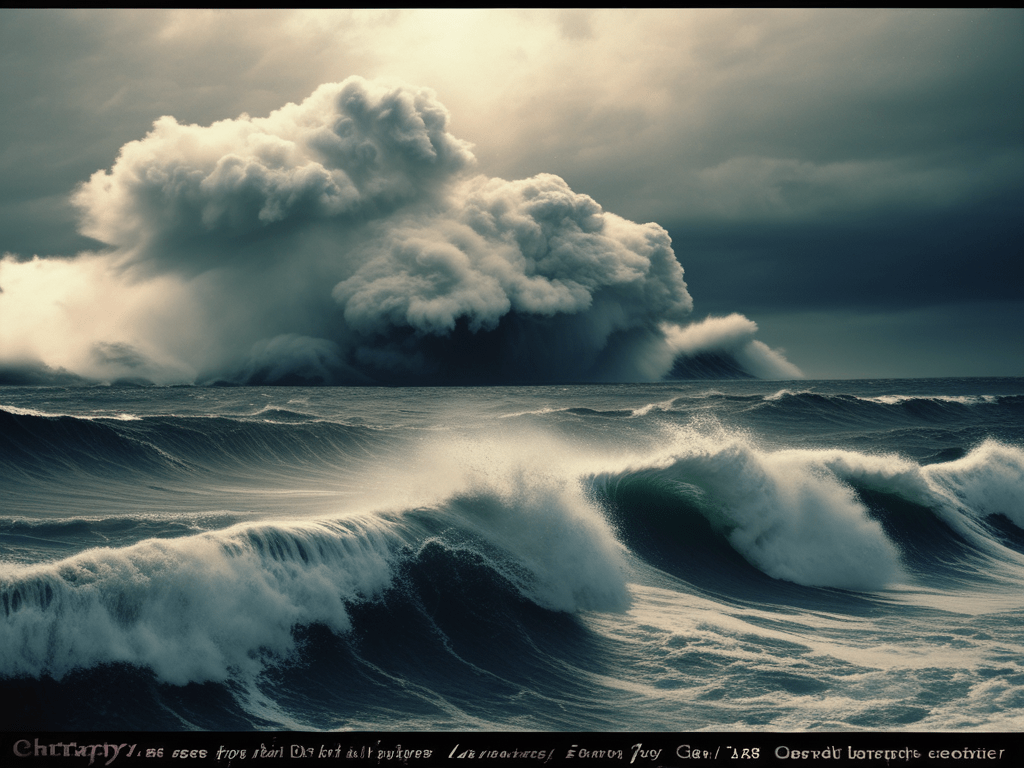
In addition to the earthquakes and tsunamis in Japan, I also have to get used to the typhoons, or should I say, typhoon season. This, however, definitely adds more familiarity to the occasional storms I have experienced in the Netherlands. Let’s explore how typhoon season is defined in Japan.
Understanding Typhoon Season in Japan
In Japan, typhoon season typically runs from June to October, with the peak period usually from August to September. These powerful tropical storms can bring heavy rain, strong winds, and high waves. Here are some key points about typhoon season in Japan:
- Preparation: It’s important to stay informed about weather forecasts and typhoon warnings. Many areas have emergency procedures in place, and it’s wise to have a plan for securing your home and supplies in case of a typhoon.
- Safety: During a typhoon, it’s best to stay indoors and avoid unnecessary travel. Secure windows and doors, and be cautious of potential flooding. It’s crucial to follow local advice and evacuate if instructed.
- Impact: Typhoons can cause significant damage, including flooding, landslides, and power outages. Coastal areas are particularly vulnerable to storm surges and high waves.
- Emergency Kit: Have an emergency kit ready with essentials like food, water, medications, a flashlight, and a battery-powered radio. Make sure your phone is fully charged, and you have backup power sources if possible.
- Insurance: Check if your insurance covers typhoon damage and consider updating it if necessary.
Typhoon season can be intense, but being prepared can help mitigate the risks and ensure your safety.
Typhoons in Japan vs. Storms in the Netherlands
Having spent more than 30 years in the Netherlands, I naturally compare typhoons in Japan to storms in the Netherlands. I have seen my fair share of storm damage in the Netherlands and also learned to stay safe during heavy storms. Typhoons in Japan and storms in the Netherlands differ in several ways due to their geographical and climatic contexts:
- Intensity and Size:
- Typhoons: These are tropical cyclones that form over warm ocean waters. They are typically more intense, with higher winds and heavier rainfall compared to most storms. Typhoons can bring severe flooding, landslides, and widespread damage.
- Storms in the Netherlands: These are usually mid-latitude cyclones or extratropical storms, generally with less extreme wind speeds and rainfall compared to typhoons. Coastal flooding and damage due to high winds and heavy rain are more likely.
- Season and Frequency:
- Typhoons: Occur from June to October, with peak activity from August to September. Japan is frequently affected by typhoons during this period.
- Storms in the Netherlands: Can occur year-round, but the most common and severe storms typically happen in the autumn and winter months, from September to February.
- Geographical Impact:
- Typhoons: Affect the entire Japanese archipelago, with the potential for significant impacts in coastal and inland areas alike. Coastal regions are particularly vulnerable to storm surges.
- Storms in the Netherlands: Primarily impact coastal and low-lying areas. The Netherlands has extensive flood defenses, such as dikes and seawalls, to protect against storm surges and flooding.
- Warning Systems and Preparedness:
- Typhoons: Japan has a robust warning system for typhoons, including public advisories and evacuation orders. People are generally well-prepared for typhoons, with extensive emergency protocols in place.
- Storms in the Netherlands: The country also has effective warning systems and flood protection measures. Storm warnings are issued, and there are established procedures for dealing with severe weather, including maintaining and monitoring flood defenses.
In summary, while both typhoons and storms can cause significant damage, typhoons tend to be more intense and impactful in terms of wind speed and rainfall. The Netherlands is more focused on managing the risk of flooding from storms, thanks to its extensive flood defense infrastructure.
#TyphoonSeason #NaturalDisasters #Preparedness



 Experiences - Life - Inspiration 🇨🇭🇯🇵
Leave a comment