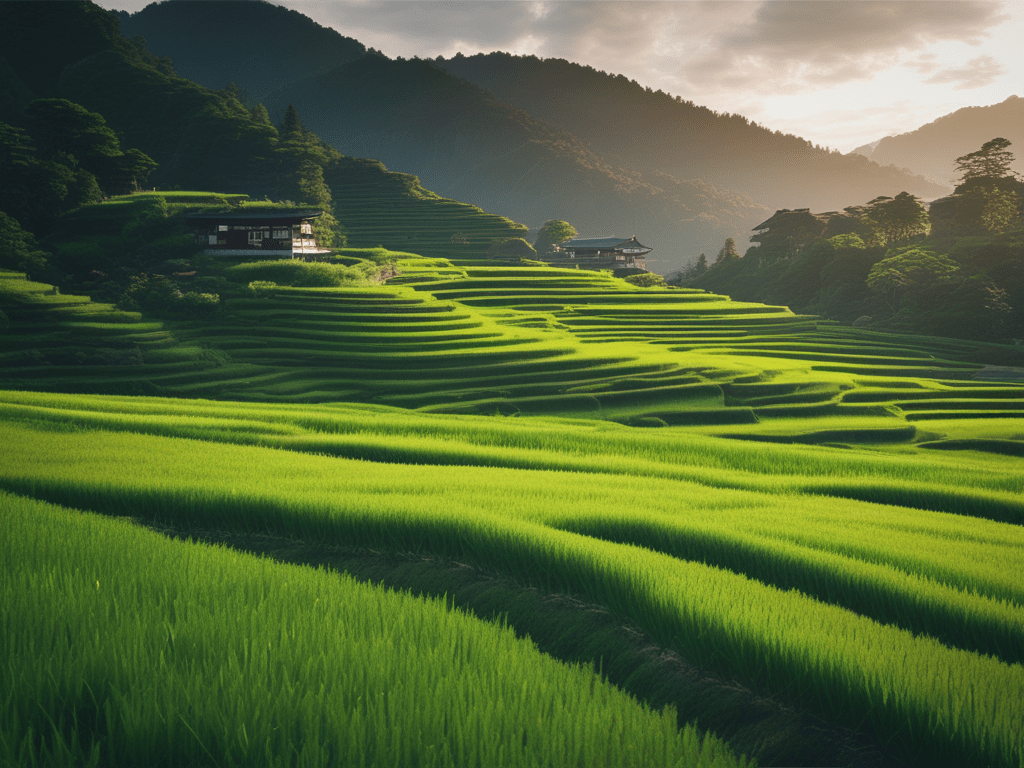
Recently, my mom told me about the benefits of using rice water. Although we’ve always washed and rinsed our rice before boiling it, we never thought about using the rice water for the purposes I’ll mention below. I was intrigued and decided to explore and share its potential advantages.
Plant Care: Nurturing the Green
- Nutrient Boost: Enriches the soil with vital nutrients like nitrogen, phosphorus, and potassium.
- Natural Fertilizer: Nurtures plants gently, bolstering their resilience.
- Soil Health: Cultivates beneficial microorganisms, enhancing soil structure.
How to Use for Plants: Weekly watering with cooled, residue-free rice water ensures optimal nourishment for plants.
Hair Health: Strength and Radiance
- Strength and Luster: Enhances hair strength, reduces damage, and promotes a healthy shine.
- Detangling Properties: Smoothens and manages hair effectively.
- Scalp Care: Potentially soothes the scalp and alleviates dandruff.
How to Use for Hair: Apply rice water to hair and scalp after shampooing, leave for 10-15 minutes, then rinse. For enhanced benefits, consider fermenting the rice water for 24-48 hours before use.
Historical and Geographical Roots: A Journey Through Time
- Japan: During the Heian period, court ladies used rice water, known as Yu-Su-Ru, to rinse their hair, contributing to their renowned long and beautiful locks.
- China: The Yao women from Huangluo Yao Village credit their long, healthy hair to fermented rice water, a tradition practiced for centuries.
- Southeast Asia: Rice water has been a common practice for hair care and plant fertilization in countries like Indonesia and Thailand, dating back to the early days of rice cultivation.
This enduring practice symbolizes the timeless wisdom passed down through generations.
Additional Use: Infusing Flavor in Cooking
Benefits: Enhancing Culinary Artistry
- Nutrient Enrichment: Infuses vegetables with residual nutrients and imparts a unique flavor.
- Reduced Waste: Effectively reduces kitchen waste and maximizes food resources.
- Cost-Effectiveness: Saves water and optimizes available kitchen resources.
Cultural Context: Weaving Tradition into Cuisine
- Japan: Used to remove bitterness from vegetables such as daikon radish.
- China: Employed for blanching leafy greens to retain their vibrant color and nutritional value.
- Korea: Enhances the flavor and texture of cooked vegetables.
How to Use: Utilize the less cloudy, purified water from the final rice rinse to boil or blanch vegetables, particularly beneficial for root vegetables and greens. Adjust the seasoning to complement the delicate flavor imparted by rice water.
These Asian cooking practices reflect a holistic approach to cooking and wellbeing, offering opportunities to enhance sustainability and resourcefulness in modern living.
Since I’m exploring permaculture and gardening in Japan, I’ll try watering the plants with rice water to see the benefits.
#RiceWater #PlantCare #HairHealth #AncientTraditions







 Experiences - Life - Inspiration 🇨🇭🇯🇵
Leave a comment