Many blog posts ago, I mentioned two Swiss influencers in Japan, Alfred Bircher-Brenner and Gustav Jung. Yesterday, however, I coincidentally stumbled upon a video related to “Akira,” a famous manga beloved by early manga lovers worldwide. The video creator, Dami Lee, and her team discussed the architectural influences seen in “Akira.”
The discussion revolved around the significant impact of Le Corbusier, a Swiss-French architect, on Japanese architects. His modernist principles and innovative design concepts left a profound impression on Japan’s architectural landscape, inspiring many Japanese architects to adopt and adapt his ideas in their own works.
Several notable buildings and infrastructures in Japan were built under the influence of Le Corbusier, including:
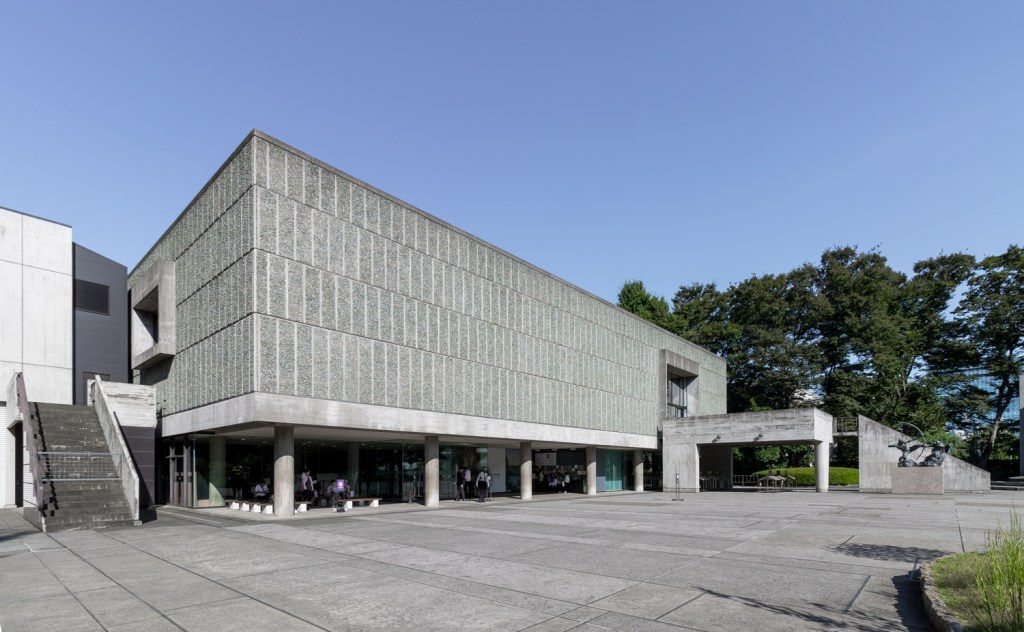
- National Museum of Western Art, Tokyo: Designed by Le Corbusier himself and completed in 1959, this museum stands as one of the most prominent examples of his work in Japan. It was later designated a UNESCO World Heritage Site in 2016 as part of “The Architectural Work of Le Corbusier, an Outstanding Contribution to the Modern Movement.”
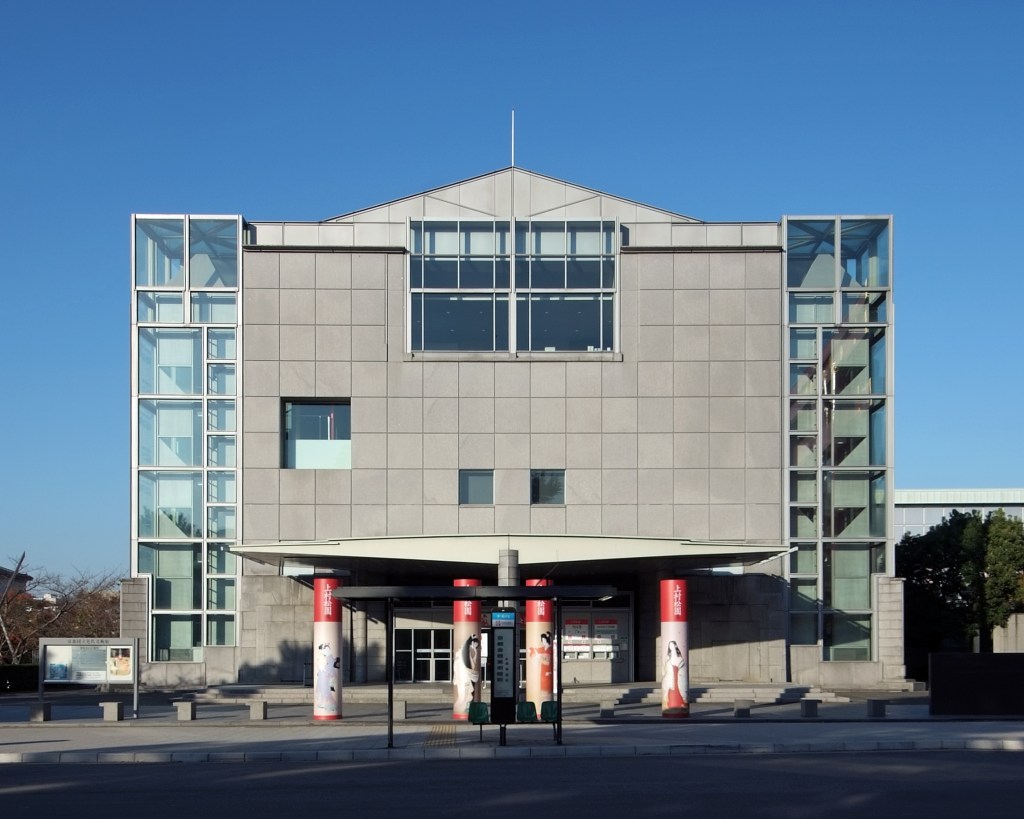
- National Museum of Modern Art, Kyoto: Though not designed by Le Corbusier, this museum reflects his influence on Japanese architecture, embodying the modernist principles of functionality and simplicity.
- Tokyo Metropolitan Government Building: Designed by Kenzo Tange, a disciple of Le Corbusier, this iconic building complex showcases the integration of modernist principles with traditional Japanese architectural elements.

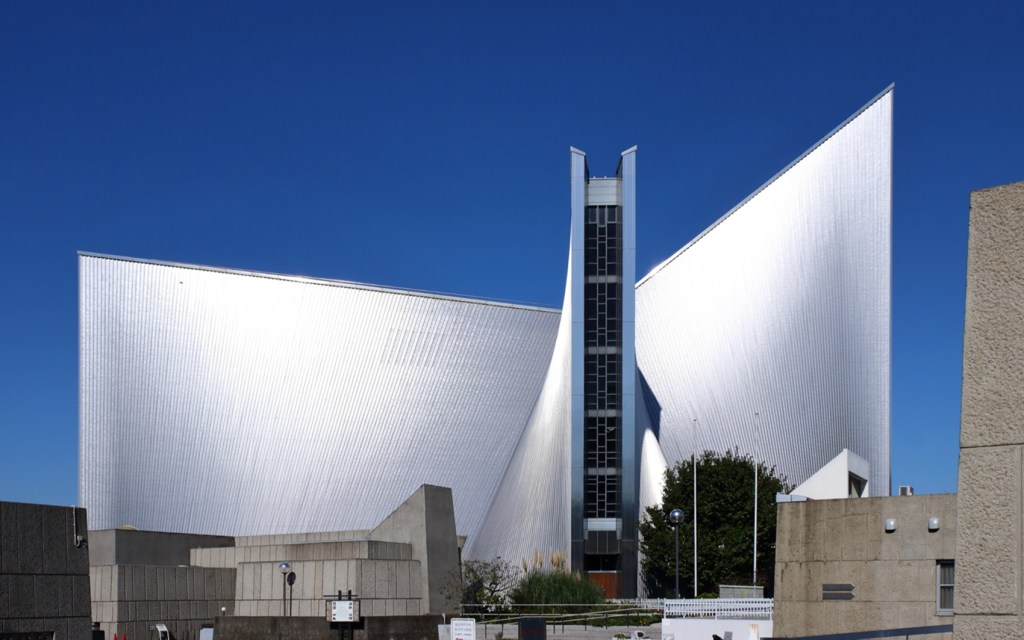
- St. Mary’s Cathedral, Tokyo: Another work by Kenzo Tange, this cathedral harmoniously combines modernist design with symbolic elements, demonstrating the influence of Le Corbusier’s style.
- Hiroshima Peace Memorial Museum: Also designed by Kenzo Tange, this museum reflects the modernist approach to architecture and urban planning, emphasizing simplicity and functionality.

These buildings illustrate how Le Corbusier’s ideas were adapted and interpreted by Japanese architects, resulting in a unique blend of modernist principles with local architectural traditions.
The influence of Le Corbusier’s architecture in the manga “Akira” is primarily evident through its depiction of Neo-Tokyo, the futuristic city setting where much of the story unfolds. His architectural principles are reflected in various ways:
- Urban Planning and Infrastructure: Le Corbusier advocated for functional, efficient urban planning and infrastructure. In “Akira,” Neo-Tokyo is depicted as a sprawling, futuristic city with massive highways, elevated walkways, and towering skyscrapers, reflecting Le Corbusier’s vision of urban spaces prioritizing efficiency and movement.
- Megastructures and Monolithic Buildings: Le Corbusier often envisioned large, monolithic structures dominating the skyline. Similarly, “Akira” features colossal buildings and complexes, such as the Olympic Stadium and government facilities, evoking the scale and grandeur characteristic of Le Corbusier’s architectural style.
- Modernist Aesthetics: Le Corbusier’s modernist principles emphasized clean lines, geometric forms, and functional design. These elements are echoed in the architectural aesthetics of Neo-Tokyo in “Akira,” where buildings and infrastructure are portrayed with a minimalist yet imposing style.
- Dystopian Visions: While Le Corbusier’s architecture aimed to improve urban living conditions, “Akira” uses similar architectural motifs to portray a dystopian future. The towering structures and vast urban landscapes in the manga evoke a sense of oppressive scale and impersonal modernity, reflecting a darker interpretation of modernist urbanism.
Overall, the manga “Akira” integrates elements of Le Corbusier’s architectural philosophy to create a visually striking and thematically rich depiction of a futuristic cityscape, emphasizing both the potential and pitfalls of modern urban development.
To be honest, I never had much appreciation for architecture in general. However, after watching Dami Lee’s video related to one of the most iconic manga movies, “Akira,” which I had seen in my childhood, and learning about the unexpected influence of the Swiss architect Le Corbusier, my perspective has changed significantly. The next time I visit Tokyo, I will look at all the urban infrastructure with different eyes.
Here’s the video:
#SwissArchitects #LeCorbusier #JapaneseArchitecture #Akira #DamiLee #MangaInfluence #UrbanInfrastructure #ArchitecturalInnovation




 Experiences - Life - Inspiration 🇨🇭🇯🇵
Leave a comment