After the crimson clovers have blossomed, attracting bees and butterflies, they now transition to producing seeds. The vibrant scarlet red colours of the flowers have faded, and the clovers will soon wither, nurturing the soil for our vegetables and herbs to thrive. This was my plan all along, and it seems to be progressing well.
The life cycle of crimson clovers (Trifolium incarnatum) unfolds in several stages:
- Pollination: The striking red flowers draw in pollinators like bees, initiating the production of seeds.
- Seed Formation: Following pollination, seeds develop within seed pods over a few weeks, causing the flowers to fade and dry out.
- Maturation and Drying: The plant’s energy shifts toward the maturation of seeds, transforming the once vibrant flowers into dry, brown pods.
- Seed Dispersal: Once the seeds reach maturity, the plant naturally releases them into the surrounding soil through mechanisms such as wind or gravity, enabling germination in the next growing season.
- Plant Senescence: As the seeds disperse, the crimson clover completes its life cycle and withers, typical for annual plants.
- Nutrient Contribution: Upon decomposition, the plant enriches the soil with organic matter and nutrients, enhancing soil fertility and structure.
In essence, after attracting pollinators with their scarlet red blossoms, the crimson clover focuses on seed production, contributing to soil health as it completes its life cycle.
This is how the crimson clovers looked today.
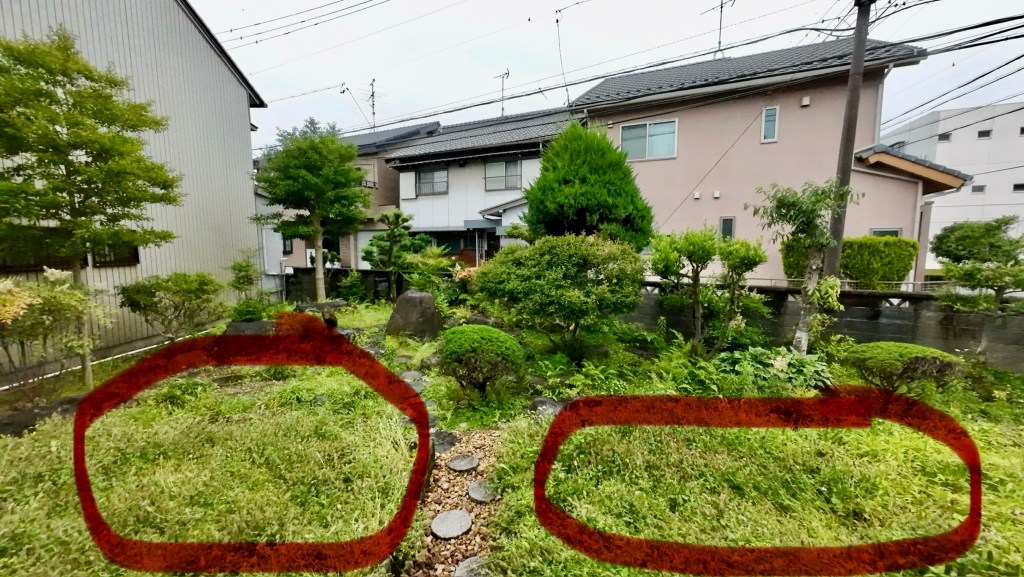
And this is how they looked about two weeks ago.
//www.instagram.com/embed.js
#CrimsonClovers #LifeCycle #Nature #Gardening




 Experiences - Life - Inspiration 🇨🇭🇯🇵
Leave a comment