As someone who has explored various shrines, pagodas, and temples across Japan, I’ve marveled at the absence of complete stone structures, unlike the churches scattered throughout Europe. Instead, these sacred sites are predominantly crafted from wood, often without the use of a single nail—an architectural feat worthy of further exploration, which I’ll delve into in a future blog post. Today, however, let’s uncover the reasons behind Japan’s preference for wooden Shinto and Buddhist buildings.

Cultural Tradition: Japan boasts a rich heritage of utilizing wood as its primary building material, a tradition deeply rooted in centuries of history. From its humble beginnings, traditional Japanese architecture, including shrine buildings, mirrors this cultural affinity, emphasizing the profound connection between Japanese society and its natural surroundings.
Abundant Natural Resources: Historically, Japan has been blessed with vast forests, providing an abundant and accessible source of wood, far more economical compared to alternative building materials. This abundance has not only shaped architectural styles but also influenced construction techniques, evident throughout Japan’s architectural evolution.
Aesthetic Appeal and Philosophical Alignment: Wood holds a revered position in Japanese culture, cherished for its warmth, inherent beauty, and symbiotic relationship with the environment. Wooden shrine buildings often integrate natural elements, embracing imperfections that align with Japanese aesthetic principles like wabi-sabi, celebrating the beauty of impermanence.
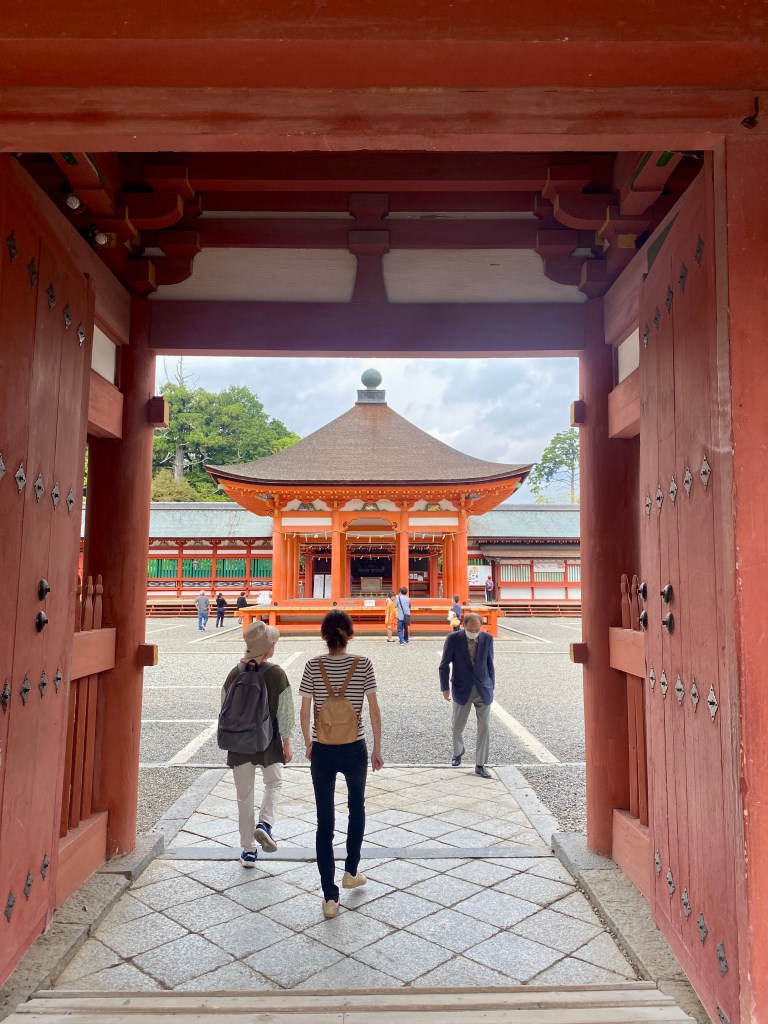
Spiritual Significance: In Shinto beliefs—the indigenous religion of Japan—wood carries sacred connotations. Shinto shrines are revered as the dwelling places of kami (spirits or gods), and constructing these sanctuaries from natural materials like wood is believed to deepen the bond between humanity and the divine realm.
Flexibility and Resilience: Wood’s versatility allows for intricate architectural designs while adapting to environmental conditions. Traditional construction techniques enable wooden shrine buildings to withstand earthquakes and natural calamities, ensuring structural integrity without compromising on aesthetics.
In essence, the pervasive use of wood in Japan’s shrine buildings intertwines cultural, spiritual, and practical considerations, embodying the enduring values and beliefs of Japanese society throughout history.

#JapaneseArchitecture #WoodenShrines #CulturalHeritage #ShintoBeliefs #BuddhistTradition #ArchitecturalCraftsmanship #EnvironmentalHarmony #WabiSabi #SacredSpaces #JapanTravel








 Experiences - Life - Inspiration 🇨🇭🇯🇵
Leave a comment